
Freelancer Taxes in Colombia: RUT, Facturación Electrónica & What You Owe
Everything you need to know about operating legally as an independent worker in Colombia: RUT registration, facturación electrónica, retenciones, IVA, and monthly health and pension contributions.

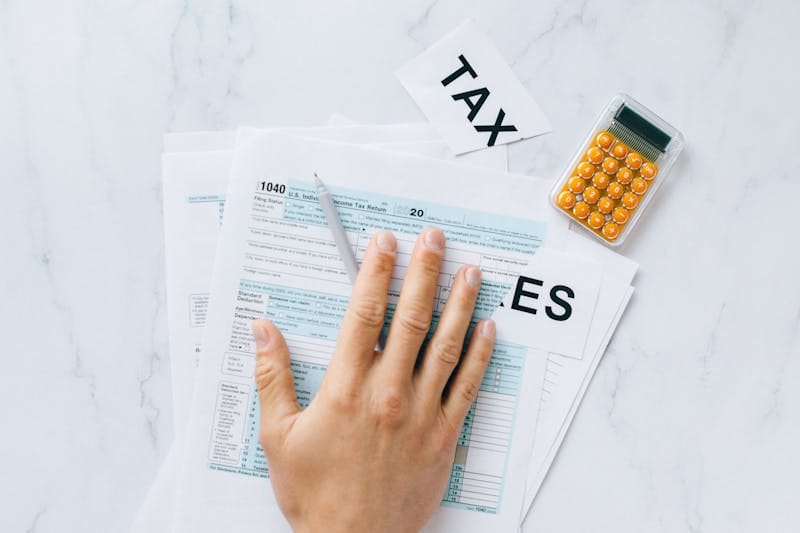
My Colombian accountant — a sharp woman in Laureles who charges COP 150,000 per consult — told me something that stuck: the majority of foreign independientes work informally because they are scared of the paperwork. I get it. Between RUT, actividades económicas codes, retenciones, facturación electrónica, and monthly pension contributions, the Colombian freelance tax system looks like it was designed by someone who genuinely enjoys bureaucracy.
But here's the thing: once you understand the structure, it's manageable. The penalties for staying informal are worse than the compliance headache. DIAN has been tightening enforcement on independientes in recent years, cross-referencing bank deposits with RUT registrations. The fines aren't friendly, and a DIAN audit is far more stressful than filing correctly from the start.
This guide covers everything you need to operate legally as an independent worker in Colombia — whether you're a foreigner with a cédula de extranjería or a digital nomad who has crossed the 183-day tax residency threshold. We're focusing on personas naturales billing clients directly, not SAS companies. If you have a registered company, some of this still applies, but the structure changes your obligations.
Step 1: Register Your RUT
The RUT (Registro Único Tributario) is your Colombian tax ID. Every independiente needs one — before you invoice anyone, before you open a proper business account, before you do anything formal with DIAN. It's free and faster than you'd expect.
You can register at dian.gov.co or visit a DIAN office in person. The online process works on a laptop and you'll typically have your RUT PDF the same day. You'll need to provide:
- Your full name exactly as it appears on your ID
- Your cédula de extranjería number (or passport if you don't have one yet)
- Your Colombian address
- Your economic activity CIIU code
- Your email address — DIAN communicates through here
The RUT lists your actividad económica — a 4-digit CIIU code describing your work. Common codes for expat freelancers: 6201 (software development), 7310 (advertising/marketing), 7020 (management consulting), 7410 (design), 6311 (data processing). If you're unsure, DIAN's site has a lookup tool — Google your role plus 'código CIIU Colombia'. You can update the code later if your work changes, so don't overthink it.

Do You Need Facturación Electrónica?
Almost certainly yes, if you bill Colombian clients. Once your annual income exceeds roughly COP 12 million, you are required to issue DIAN-compliant electronic invoices transmitted to DIAN in real time. A PDF or WhatsApp message doesn't count as a legal invoice — full stop.
Option 1: DIAN's Free Invoicing Tool
DIAN offers a free electronic invoicing platform (Facturación Electrónica Gratuita) on their portal. The interface looks like it was built in 2018 and occasionally crashes on Safari, but it's functional. For freelancers sending fewer than 20 invoices a month, it covers the basics without any subscription cost.
Option 2: Alegra, Siigo, or Helisa
Paid platforms start around COP 50,000/month. Alegra has the cleanest interface I've used and reasonably good English documentation — my first choice for expats who want a smooth setup. Siigo is more powerful for complex accounting needs but has a steeper learning curve. Helisa sits somewhere between the two.
One thing that trips people up: before issuing your first invoice, DIAN must formally authorize you (habilitación) through a test transmission. Your software provider walks you through this, but plan for roughly a week between registering and being fully operational. Don't wait until an invoice is urgently due.
📖 Keep Reading
New to Colombian taxes altogether? Start with the broader picture first.
Colombia Tax Guide for Expats: What You Actually Owe →Retenciones en la Fuente: When Clients Withhold Your Payment
Almost every foreigner is caught off guard by retención en la fuente on their first Colombian invoice. When you bill a registered company (an SAS, S.A., or similar), they are legally required to withhold a portion of your invoice and pay it directly to DIAN on your behalf. It's not optional for them, and it's not a scam — it's a prepayment of your income tax.
The standard rate for professional services (honorarios) is 10% of the gross invoice. So if you bill COP 5,000,000, the client pays you COP 4,500,000 and remits COP 500,000 to DIAN with your RUT attached. You receive a credit for that amount on your annual declaración de renta — reducing, or sometimes eliminating, your final tax bill.
What you must do: request a certificado de retención from every company client by November or December each year. This document proves what was withheld and lets you claim the credit at filing time. Smaller companies are often disorganized about issuing these — ask early, ask in writing. If you bill individuals rather than companies, retención generally doesn't apply.
Note: if you're billing foreign clients outside Colombia, retención en la fuente doesn't apply at all. It's strictly a Colombian domestic tax mechanism.

IVA: Do You Charge Sales Tax on Your Invoices?
Colombia's IVA is 19%. Most professional services — consulting, software, marketing, design, translation — are IVA-applicable. But you only become a responsable de IVA when your prior-year gross income exceeds 3,500 UVT (roughly COP 183 million, or about USD 45,000 at current rates).
Below that threshold, you're a no responsable de IVA. You include 'Régimen Simple / No responsable de IVA' on your invoices, don't add the 19%, and don't deal with bimonthly IVA filings. That covers most expat freelancers who are getting started. When Colombian clients ask if you're in the régimen simplificado, the answer is yes.
If most of your income comes from foreign clients (US companies, European businesses), you're generally billing an export of services — which is typically IVA-exempt. This is a significant practical advantage: you avoid the IVA complexity entirely on international income. Document everything — contracts, Wise transfers, PayPal statements — for your annual filing.
Health and Pension Contributions: The One Most People Skip
This is the obligation that surprises expat freelancers most, and the one most commonly ignored. In Colombia, independientes are required to make monthly contributions to both salud (health insurance via an EPS) and pensión (pension fund). No employer does this for you — you calculate and pay it yourself every month.
The contribution base is 40% of your monthly income. If you earn COP 10,000,000, your base is COP 4,000,000. The rates:
| Contribution | Rate | Example (COP 10M income) |
|---|---|---|
| Salud (EPS) | 12.5% of base | COP 500,000 |
| Pensión | 16% of base | COP 640,000 |
| Total | 28.5% | COP 1,140,000/month |
Base = 40% of monthly income. Minimum base is one SMLMV (COP 1,423,500 in 2026).
Payments go through the PILA system via portals like SOI, Mi Planilla, or Simple. You log in, enter your income, and the system calculates what you owe. Payment is due by the last business day of each month. Once you've done it the first time, it takes about 10 minutes each month.
For someone earning COP 6,000,000/month, this is about COP 684,000/month — roughly 11.4% of gross. Not nothing, but you get real access to Colombia's healthcare system through your EPS. Sura and Nueva EPS are popular among expats; Salud Total covers major cities well. Choose based on which clinics are near you.
📊 Track Crypto Income for DIAN
If any of your freelance income involves crypto payments, you'll need to report it to DIAN. CoinTracking automatically calculates gains and generates tax reports — saving hours of spreadsheet work.
Try CoinTracking →Declaración de Renta: Annual Income Tax Filing
If you're a Colombian tax resident and your income exceeds roughly COP 59 million for 2025, you must file a declaración de renta. Filing period runs August to October, with the exact deadline tied to your cédula number. You can file through DIAN's virtual portal yourself, or work with an accountant.
For your first year, use an accountant. Fees run COP 200,000–500,000 for a straightforward persona natural filing, and a good contador will find deductions that more than cover their fee. Ask in expat Facebook groups for Medellín, Bogotá, or Cali for recommendations — expats share the good ones freely.
Key deductions to track: all health and pension contributions you've paid throughout the year, mortgage interest if applicable, dependents, and a portion of work-related equipment or internet costs. All retenciones withheld by Colombian company clients reduce your final bill directly — if retenciones exceed your calculated tax, you're entitled to a refund. DIAN does process them, but give it a few months.
Anticipo de Renta: Budgeting for Year Two
Once you've filed your second declaración de renta, DIAN automatically calculates an anticipo — an advance prepayment toward the following year's tax. It's based on your prior year's tax and appears as a required line item on your filing. In your first year, there's no anticipo. From year two onward, it's part of the calculation.
The anticipo can be significant. Your accountant will calculate it during your filing, but the practical advice is to build it into your tax savings throughout the year, rather than treating August's filing as purely a backward-looking exercise.
📖 Keep Reading
Planning to find local clients? Here's how freelancers actually build their client base in Colombia.
Freelancing in Colombia: How to Find Clients and Offer Your Services →The Practical Bottom Line
Most mistakes I see from expat freelancers come down to three things: not registering for RUT and operating informally for years; ignoring monthly social security contributions and then facing a back-payment that covers multiple years; and not collecting certificados de retención from clients and overpaying their annual tax as a result.
Get your RUT in your first month in Colombia. Set up facturación electrónica before you send your first invoice. Set aside 30% of every payment for taxes and contributions. Hire a contador for your first annual filing. The paperwork is annoying to set up the first time. After that, it's 10 minutes a month and a few hours once a year.
Frequently Asked Questions
❓ Do I need a RUT if I only work for foreign clients?
Yes. If you are a Colombian tax resident, you must register for a RUT regardless of where your clients are located. Foreign-sourced income is still taxable in Colombia once you pass the 183-day threshold. The RUT registration itself doesn't trigger additional tax obligations — it just formally registers you so you can file correctly.
❓ What's the penalty for working informally without registering?
DIAN can assess fines based on uninvoiced transactions — typically around 5% of the transaction value, with additional penalties for continued non-compliance. More immediately, DIAN has been cross-referencing bank deposit data with RUT registrations more actively. Repeated large transfers from clients with no corresponding tax registration can trigger an audit inquiry.
❓ How do I handle social security contributions if my income is irregular?
Your salud and pensión contributions recalculate monthly based on actual income. In a low month, the minimum base is one minimum wage (SMLMV, COP 1,423,500 in 2026) — you can't pay on less than that. In a high month, you pay on 40% of what you earned. There's no penalty for variable income; you just recalculate each month through the PILA system.
❓ Do I need to charge IVA on invoices to foreign clients?
Generally no. Billing a foreign company for services is treated as an export of services, which is typically IVA-exempt in Colombia. You don't charge the 19%, and this income alone doesn't trigger responsable de IVA status. Still document everything thoroughly — contracts, bank transfers, Wise receipts — for your annual declaración de renta.
❓ When should I hire an accountant versus doing this myself?
For monthly PILA payments and routine invoicing: do it yourself, it's manageable with a bit of setup. For your annual declaración de renta: hire an accountant for at least your first two years until you understand the system. A good contador costs COP 200,000–500,000 for a basic filing and is worth every peso for the deductions they'll find and the errors they'll prevent.
Have a question about freelancer taxes in Colombia?
The Colombia Move community is full of expats who've worked through exactly this. Ask and get answers from people who've been there.
Ask the Community →🇨🇴
Join Colombia Move — free bilingual marketplace
Jobs, services, housing, classifieds. Free to post, no commissions, no middlemen.
Sign up free








Comments
Loading comments...