
Amazon Colombia: Leticia & the Triple Border Travel Guide
Leticia sits where Colombia, Brazil, and Peru meet over the Amazon River. You can only get there by plane — and that's part of what makes it worth the trip.

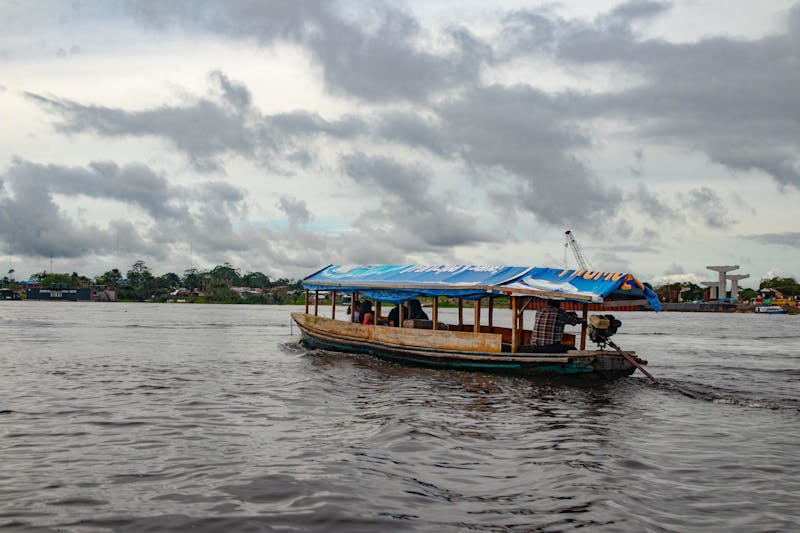
Leticia sits at the very bottom of Colombia, pinned into a corner where three countries meet over the Amazon River. There are no roads in. You fly or you don't go. That alone filters out most casual tourists — which is exactly what makes it worth the effort.
I'd been living in Medellín for over a year before I finally made it down here. The trip had been on my list since a Colombian friend mentioned offhand that you can walk from Colombia into Brazil and Peru in the same afternoon. That's not a metaphor. The international border is a street. You cross it on foot, get your passport stamped at a concrete booth, and suddenly you're in Tabatinga, Brazil — where everything costs in reais and the street food changes instantly.
This guide covers everything practical: flying to Leticia, crossing the triple border, jungle lodges, river dolphins, Puerto Nariño, costs, what vaccines you actually need, and the best time to visit. I've kept it honest about where this trip delivers and where it demands patience.
Getting to Leticia: Only by Air
Leticia's geographic isolation is the whole point. The Colombian Amazon covers roughly 400,000 square kilometers of rainforest, and zero paved roads connect Leticia to the national highway system. Avianca and Latam both operate daily direct flights from Bogotá's El Dorado airport. The flight takes about 1 hour 45 minutes.
Flight costs typically run between 280,000 and 550,000 COP (~$65–$130 USD) each way if you book two to three weeks out. I've seen them spike to 900,000 COP during holiday periods — December, Semana Santa, and July are the worst. Avoid those windows or book way ahead. The airport is small: Aeropuerto Internacional Alfredo Vásquez Cobo, a single-runway strip carved out of the jungle that functions adequately for the volume it handles.
A note on connectivity before you go: cell service in the Amazon is limited to a few carriers, and data roaming across the triple border gets expensive fast. I'd strongly recommend picking up an eSIM for the region. Saily works well for travel coverage across Colombia, Brazil, and Peru — useful if you're crossing all three countries.
The Triple Border: Colombia, Brazil, and Peru in One Afternoon
The triple border is the top reason most people make the trip, and it genuinely doesn't disappoint. From central Leticia, it's about a 15-minute walk or a cheap mototaxi ride (3,000–5,000 COP) to the border post with Tabatinga, Brazil. No visa required for most nationalities — you just show your passport and get stamped.
Tabatinga itself is a scrappy Brazilian border town. The vibe shifts immediately: Portuguese street signs, reais, churrasco instead of bandeja paisa. There's a small military presence at the border post, but crossing on foot is routine and takes about five minutes. From Tabatinga, you can take a short boat taxi across a narrow Amazon channel to Santa Rosa, Peru — a small riverside village where the main draw is getting that third passport stamp. The whole loop takes two to three hours depending on boat wait times.
Practically speaking: bring your passport (obviously), some Brazilian reais and Peruvian soles if you want to buy anything locally, and expect loose enforcement of procedures. Nobody's going to interrogate you at a booth in the jungle. The triple border crossing is a tourist attraction more than a formal immigration checkpoint — though you do want that entry stamp if you plan to spend meaningful time in Tabatinga or Santa Rosa.
Wildlife: Pink Dolphins, Night Safaris, and Monkey Island
The pink river dolphin (boto rosado) is the highlight for most visitors, and with good reason. These aren't the shy, glimpse-and-gone cetaceans of a typical whale-watching tour. In certain spots along the Amazon near Leticia, they surface close to boats regularly — close enough that guides sometimes attract them with fish. Seeing a genuinely pink adult boto breach next to a dugout canoe is one of those experiences that doesn't lose anything to a camera.
Monkey Island (Isla de los Micos) is a 45-minute boat ride upriver. Squirrel monkeys and spider monkeys have been habituated to human visitors and will climb directly onto your shoulders. It's chaotic in the best way. The island visit typically costs around 30,000–50,000 COP per person as part of a half-day tour, which also usually includes a stop at a local indigenous community.
Night safaris run around 80,000–150,000 COP per person and depart after dark by canoe. You're looking for caimans, tarantulas, river frogs, and whatever else the guides can spot with headlamps. The Amazon after dark is genuinely different — noisier and stranger than during the day. It's not for the squeamish, but it's worth doing at least once.
Puerto Nariño: The Town With No Motor Vehicles
Two hours upriver from Leticia by fast boat (around 25,000 COP each way), Puerto Nariño is one of the more unusual places in Colombia. It's a small town of about 7,000 people with almost no motor vehicles — the streets are narrow dirt paths used by pedestrians and bicycles. The absence of traffic noise in the jungle heat is striking if you've just come from Bogotá.
Puerto Nariño sits next to Lago Tarapoto, a lake system known for giant Victoria amazonica water lilies and excellent dolphin sightings. You can hire a local guide for around 50,000–80,000 COP to take you through the lake by canoe. The town also has a small but interesting indigenous Ticuna culture center worth visiting.
Overnight accommodation options are basic — think fan-cooled rooms for 60,000–100,000 COP per night. There are a couple of slightly nicer eco-lodges, but nothing approaching luxury. The tradeoff is waking up to birds and river sounds instead of hotel AC hum, which is the actual point.
Where to Stay: Jungle Lodges vs. Leticia Hotels
Leticia itself has a decent range of hotels. Budget travelers can find clean rooms for 80,000–130,000 COP per night; mid-range options (air conditioning, private bathroom, decent breakfast) run 180,000–280,000 COP. There are no five-star hotels — this is a jungle frontier city, not a resort destination.
The better experience, if your budget allows, is a jungle lodge outside of town. Prices vary widely. Basic riverside lodges go for $80–$120 USD per night including meals and guided activities. More established eco-lodges charge $150–$250 USD per night all-inclusive. The all-inclusive packages generally make sense here because you're remote — there aren't restaurants nearby to compare.
The honest downside: the more remote the lodge, the more you're paying for the experience rather than the comfort. Some of the jungle lodges are genuinely rustic — bug screens instead of glass windows, generator power that cuts at 10pm, cold showers. That's not a complaint from me, but worth knowing before you book if air conditioning is non-negotiable for you.
🛡️ Don't Skip Travel Insurance for the Amazon
Medical evacuation from the Colombian Amazon is expensive and complex. SafetyWing covers emergency evacuation, jungle activities, and trip disruption — and it works across the triple border in Colombia, Brazil, and Peru.
Get SafetyWing Coverage →Costs: What to Budget for a Leticia Trip
Leticia is not a cheap destination by Colombian standards — the geographic isolation means almost everything is flown or boated in, which adds to prices. Here's a realistic breakdown:
- Flights from Bogotá: 280,000–550,000 COP each way (~$65–$130 USD)
- Accommodation (Leticia): 80,000–280,000 COP/night depending on comfort level
- Jungle lodge: $80–$250 USD/night (usually all-inclusive)
- Half-day Monkey Island + dolphin tour: 80,000–150,000 COP/person
- Night safari: 80,000–150,000 COP/person
- Puerto Nariño day trip: 50,000 COP boat + 50,000–80,000 COP guide
- Meals in Leticia: 15,000–35,000 COP for local restaurants; more in tourist spots
- Mototaxi around town: 3,000–6,000 COP
A realistic 4-day budget staying in a Leticia hotel and doing the main tours: around $400–$600 USD total including flights from Bogotá. A 5-day jungle lodge trip all-in: $700–$1,200 USD. The biggest variable is whether you choose a city hotel or a remote lodge — that single decision shifts the budget more than anything else.
Health Prep: Malaria, Yellow Fever, and What Else You Need
Yellow fever vaccination is strongly recommended and often required as proof of vaccination if you're arriving from certain countries. Get it at least 10 days before travel — most travel clinics in Bogotá have it, and it's on the PAI schedule so it should be free at public health centers.
Malaria is real in the Colombian Amazon. I'd recommend speaking to a travel medicine doctor before going, but most travelers use antimalarial prophylaxis (atovaquone-proguanil or doxycycline being the common options) or carry standby treatment. DEET mosquito repellent at 40%+ concentration is essential, especially for any jungle activities after sunset. The lodges generally provide mosquito nets, but bring your own if you're doing anything remote.
The water in Leticia is not safe to drink from the tap. Bottled water is widely available and cheap. In the jungle lodges, check what filtration they use — the better ones have purified water on-site.
One more thing: altitude is not an issue here. Leticia sits at roughly 80 meters above sea level. Coming from Bogotá (2,600m), the heat and humidity are the adjustment, not elevation.
Best Time to Visit: Low Water Season Is Better for Wildlife
The Amazon has two seasons: high water (November to May roughly, with peak flooding February–April) and low water (June–October, with the lowest levels in September). For wildlife viewing — especially dolphins and lake tours — the low water season is better. Water levels drop enough to expose beaches along the river and concentrate animals in smaller water bodies, making sightings easier.
June through September is the sweet spot: lower water, better wildlife, drier days (not dry — this is the Amazon — but less relentless rain). July and August are busy because of Colombian school holidays, which means more domestic tourists and slightly higher prices.
If you're specifically interested in jungle botanics — the massive Victoria amazonica water lilies, towering ceiba trees — the high water season has its own visual drama. The flooded forest (igapó) is otherworldly. But for first-time visitors, I'd lean toward July–September.
Practical Logistics: Phone, Money, and Getting Around
Cell service in Leticia works with Claro and Tigo — you'll have usable 4G in town. Outside town, in the jungle, expect nothing. Download offline maps (Maps.me or Google Maps offline) before you leave the city.
ATMs in Leticia exist but are limited. Bring COP in cash from Bogotá — more than you think you'll need. There are a couple of Bancolombia and Davivienda ATMs in town, but they run out of cash periodically and the fees for foreign cards are steep. Credit cards are accepted at larger hotels and tour operators but not at local restaurants, boat taxis, or market stalls.
Getting around Leticia is easy by mototaxi (motorbike taxi) — flag one down anywhere, agree on a price before you get on (usually 3,000–6,000 COP for in-town trips). Tuk-tuks also operate on some routes. For river transport, the main dock (muelle turístico) is the departure point for Puerto Nariño fast boats, triple border crossings, and most lodge transfers.
Frequently Asked Questions
❓ Do I need a visa to cross into Brazil or Peru at the triple border?
Most nationalities don't need a visa for a brief crossing. You do need your passport and should get it stamped at the border post. For longer stays in Brazil or Peru, check the specific visa requirements for your nationality. The informal triple border crossing works smoothly for day visits.
❓ Is Leticia safe for tourists?
Yes, Leticia is considered one of the safer border regions in Colombia. It's a small city oriented around ecotourism. Basic precautions apply — don't flash expensive gear, be aware at night outside the main tourist zone — but serious crime targeting tourists is uncommon. The main risks are health-related (mosquito-borne illness) rather than security.
❓ How long should I spend in Leticia?
Four to five days is the ideal window for most visitors. Two days covers the main day tours (Monkey Island, triple border, night safari). Days three and four allow for Puerto Nariño and a lake tour. A fifth day works well as buffer for a longer jungle lodge stay or if weather disrupts plans. Less than three days feels rushed.
❓ What's the best jungle lodge near Leticia?
Decameron Decalodge Ticuna and Heliconia Lodge are the most consistently reviewed options in the mid-to-upper range. For a more authentic and remote experience, smaller family-run lodges along the river tend to deliver more genuine interaction with local guides, even if the amenities are basic. Ask your tour operator about options when you arrive in Leticia — conditions and availability change seasonally.
❓ Is there internet in Leticia?
In the city center, yes — hotels generally have WiFi, and 4G data works with Claro or Tigo SIMs. Outside the city, along the river or in jungle lodges, assume no connectivity. Most lodges don't have reliable internet. Plan for offline maps, downloaded content, and being unreachable. Honestly, that disconnection is part of what makes the trip.
Making the Trip
The Colombian Amazon is one of those places that feels genuinely far — because it is. Getting there requires intent: a flight, a plan, some health prep. But Leticia rewards that effort in ways that more accessible destinations don't. Crossing from Colombia into Brazil into Peru in an afternoon over the Amazon River is the kind of thing you describe to people for years.
If you've done the main Colombia circuit and you're looking for the trip that actually surprises you, this is it.
Have questions about planning your Leticia trip? The Colombia Move community can help — ask at colombiamove.com/comunidad.
🇨🇴
Join Colombia Move — free bilingual marketplace
Jobs, services, housing, classifieds. Free to post, no commissions, no middlemen.
Sign up free



Comments
Loading comments...