
Buying a Car or Motorcycle in Colombia as a Foreigner
Everything foreigners need to know about buying a car or motorcycle in Colombia — from where to search listings to navigating the traspaso title transfer process.

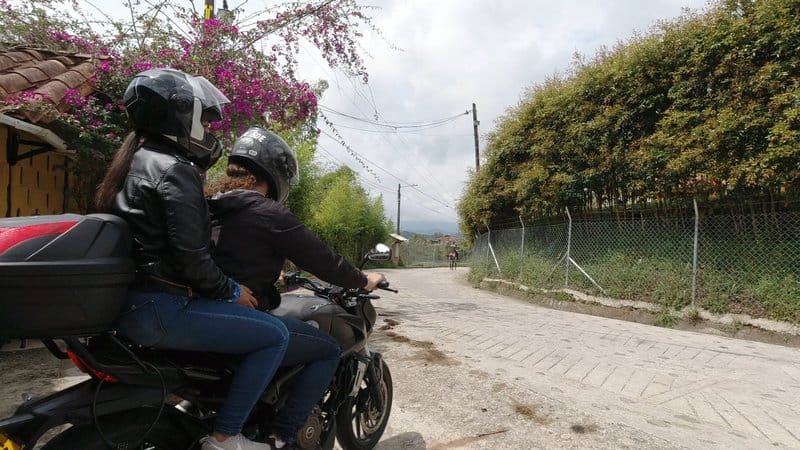
When I decided I wanted weekend road trips through the coffee region without fighting for bus seats or negotiating InDrive fares, I started shopping for a car. What followed was a two-month education in Colombian vehicle bureaucracy, questionable listings, and one very helpful tramitador named Rodrigo who saved me from at least two bad decisions.
The good news: buying a car or motorcycle in Colombia as a foreigner is completely doable. The process is more involved than in most countries, but it's not a wall — it's a maze, and once you know the path through it, it's manageable. Motorcycles especially are incredible value and have become the daily driver of choice for a lot of expats in Medellín.
This guide covers everything from price ranges and where to look, to the traspaso process, SOAT insurance, and the scams you actually need to watch for.
Should You Buy a Car in Colombia?
Owning a car makes sense in specific situations. If you're based outside a city center, doing frequent road trips, have kids to shuttle around, or are living somewhere with limited public transport (Cartagena, smaller towns), a car pays for itself. In Medellín or Bogotá proper though, you can go months without needing one. Ride-hailing is cheap, the Medellín metro is excellent, and parking in El Poblado on a Saturday night will make you question everything.
Motorcycles are a different story. A reliable 250cc motorcycle runs around 6–8 million COP (roughly $1,400–$1,800 USD) and basically eliminates your daily transport costs. No more app negotiations, no more waiting in the rain. Most expats who get a motorcycle in Medellín say it changed the city for them — suddenly a 25-minute commute becomes 8 minutes. The only catch: you need your own helmet, and traffic takes some getting used to.
Cars carry more responsibility: pico y placa restrictions (day-based driving limits tied to your plate number), annual SOAT insurance, the revisión técnico-mecánica every two years, and parking costs that add up. If you're on a short visa stint and plan to leave in six months, it's probably not worth the traspaso paperwork.
New vs. Used: The Expat Calculus
New cars from concesionarios in Colombia are expensive relative to local salaries. A new Renault Sandero runs 70–80 million COP ($16,000–$18,000 USD) — not far off North American prices, but without the financing options or consumer protections you might expect. The selection leans heavily toward Renault, Chevrolet, Mazda, and Kia, with Japanese trucks and American pickups at steep premiums.
Used is where it makes sense for most expats. Colombia has a large secondary market, vehicles tend to be reasonably maintained, and the climate helps — no road salt, minimal rust in most regions. The only place to be cautious: Bogotá's altitude can be hard on engines over time, and coast vehicles (Cartagena, Barranquilla) occasionally have hidden corrosion from salt air.
What You'll Actually Pay — Price Ranges
These are rough guides based on the current market (prices shift with the peso/dollar exchange rate, so check listings for the latest):
- Motorcycles (125–200cc): 4–7 million COP (~$900–$1,600 USD) — the most common commuter range
- Motorcycles (250cc+): 7–15 million COP (~$1,600–$3,400 USD) — better for highway use
- Economy cars (2010–2015, Spark/Twingo/Atos): 18–32 million COP (~$4,000–$7,200 USD)
- Mid-range sedans (2014–2018, Logan/Aveo/Mazda 3): 32–55 million COP (~$7,200–$12,500 USD)
- SUVs and crossovers (2016–2020, Tracker/Duster/RAV4): 55–100 million COP (~$12,500–$22,700 USD)
- Pickup trucks (4x4 double cab): 80–160 million COP — popular in rural areas and for mountain driving
Where to Find Cars and Motorcycles in Colombia
Most of the market happens online. You'll rarely find the best deals wandering dealership lots.
MercadoLibre
The default starting point for most Colombians. Listings are plentiful, and you can filter by city, year, price, and mileage. The downside: a lot of noise, and some private-sale listings are actually dealer inventory in disguise. Read the description carefully — if it mentions "garantía" and multiple units available, it's a dealer.
Facebook Marketplace & Expat Groups
Facebook Marketplace has solid local inventory, especially for motorcycles. The expat Facebook groups (Expats in Medellin, Foreigners in Colombia, Bogotá Expats) occasionally have gems — vehicles from other foreigners who are leaving, often at reasonable prices because they want a quick sale. The catch: buyer protection is zero.
Colombia Move — Free Bilingual Vehicle Classifieds
Colombia Move is a free classifieds platform built for Colombia with listings in both Spanish and English — which is genuinely useful when you're still learning the terminology. You can browse cars, motorcycles, and trucks without creating an account.
🚗 Browse Cars & Motorcycles for Free
Colombia Move is a free bilingual classifieds platform for Colombia. Search listings in English — no signup required. Browse cars, motorcycles, and trucks/SUVs from private sellers and dealers.
Browse Vehicle Listings →Concesionarios (Dealerships)
Dealers offer peace of mind — documented service history, short warranty periods, cleaner paperwork — but at a 20–30% premium over comparable private sales. Worth considering if this is your first vehicle purchase in Colombia and you want fewer variables.
What to Check Before You Buy
Don't skip the pre-purchase inspection. Even a clean-looking listing can hide a car with a salvage history, outstanding fines, or an engine that's held together with optimism.
Documents to Verify
- Tarjeta de propiedad — the vehicle registration card. The chassis and engine numbers on this must match the physical numbers on the car. If they don't match, walk away immediately.
- SOAT vigente — check the expiry date. You don't want to be driving an expired SOAT.
- Revisión técnico-mecánica certificate — when was the last inspection?
- Multas (fines) — check outstanding fines at the city's Secretaría de Movilidad website. These transfer to the new owner. In Bogotá, use the Secretaría de Movilidad portal; in Medellín, it's the Secretaría de Movilidad de Medellín.
- Theft reports — verify at RUNT.com.co (Registro Único Nacional de Tránsito) that the vehicle has no theft reports or liens.
A specific red flag to know: cars described as "recuperados" or "de remate" are salvage vehicles — usually from insurance write-offs after accidents or flooding. They can be roadworthy and legal to buy, but they depreciate badly and are difficult to insure comprehensively. Avoid unless you know exactly what you're getting.
Get an Independent Mechanic
Hire an independent mechanic for a pre-purchase inspection — typically 100,000–150,000 COP in major cities. In Medellín, there are mechanics near the Guayabal industrial zone who specialize in this. It's the best money you'll spend in this whole process.
The Traspaso: How Title Transfer Works in Colombia
The traspaso is the vehicle title transfer process, and it's where most foreigners slow down. Here's the simplified path:
- Sign the compraventa (bill of sale) — a document stating the agreed price, vehicle details, and both parties' information. Can be private or notarized.
- Verify all documents match — both buyer and seller present ID. Foreigners use their cédula de extranjería.
- Pay the transfer tax — typically 1.5% of the declared value, paid at a notaría or RUNT service point.
- File at the CRC or notaría — the Centro de Reconocimiento de Conductores handles many vehicle registrations; some transactions go through a notaría depending on vehicle category.
- Receive the new tarjeta de propiedad — usually takes 5–15 business days.
The tramitador is your best friend here. These are informal agents who handle the paperwork runs for 150,000–300,000 COP. If your Spanish isn't strong, this is genuinely worth it — they know which window to go to, what form to fill, and how to avoid the queue. Ask the seller for a recommendation, or ask in expat groups for someone who works with foreigners specifically.
One thing that surprises many foreigners: you don't need Colombian residency to own a vehicle here. Any visa status that gives you a cédula de extranjería (issued by Migración Colombia) lets you register a vehicle in your name.
SOAT, Revisión Técnico-Mecánica, and Insurance
SOAT (Seguro Obligatorio de Accidentes de Tránsito) is mandatory third-party liability insurance — Colombia's minimum coverage requirement. You cannot legally drive without it. Annual cost runs from about 200,000–500,000 COP depending on vehicle type, with motorcycles toward the higher end per engine cc. Buy it at major banks (Bancolombia, Davivienda), insurance offices, or online through Sura, Bolívar, or Allianz.
The revisión técnico-mecánica is a safety and emissions inspection required every two years for vehicles under 6 years old, and annually after that. Cost is around 100,000–200,000 COP. The only annoying part: if your vehicle fails, you have to fix the issue and re-present it — there's no grace period for driving while it's out of compliance. Getting ticketed for this is easy money for traffic police.
For anything worth over 30 million COP, add todo riesgo (comprehensive) insurance on top of SOAT. Expect 1.5–3% of the vehicle value per year. Sura and Bolívar are the two biggest names for expat-friendly service.
Common Vehicle Scams — What to Watch
Scams in the Colombian used car market are real, but they're also avoidable if you know what to look for.
- Clonado vehicles: The vehicle's plates or VIN have been cloned from a legitimate car. Always physically verify the chassis and engine numbers against the tarjeta de propiedad before handing over any money.
- Hidden fines and liens: The seller knows about outstanding multas or a bank lien on the vehicle. These transfer to you on purchase. Check RUNT and the local Secretaría de Movilidad before signing anything.
- Fake documents: Especially common on Facebook and Marketplace. If documents look photocopied, blurry, or the seller avoids meeting in person — walk away.
- The absent owner: A "representative" claiming to sell on behalf of a traveling owner. This is a classic setup for losing your deposit and never seeing the car or the seller again.
The rule that saves most people: never pay anything — not even a deposit — before you've verified documents and done a physical inspection. No legitimate seller will pressure you otherwise.
❓ Frequently Asked Questions
❓ Can a foreigner own a car in Colombia without a residency visa?
Yes. You need a valid cédula de extranjería issued by Migración Colombia. You don't need a residency visa — any visa that gets you a cédula (including visitor visas and digital nomad visas) lets you register a vehicle.
❓ How long does the traspaso take?
The paperwork process takes 1–2 days at the notaría or CRC. Getting the new tarjeta de propiedad in hand typically takes 1–3 weeks depending on the city and current backlog.
❓ Do I need a Colombian driver's license to register a car?
No — registration and licensing are completely separate. You can own a vehicle without a Colombian license. To drive legally, you'll need either a valid Colombian license or, if you're here short-term, your home country license may be accepted. Rules vary by nationality, so confirm before assuming.
❓ Is it better to buy from a dealer or private seller?
Private sellers offer better prices; dealers offer more security and cleaner paperwork. For a first vehicle purchase in a country where you're still learning the system, the small premium for a dealer can be worth it. If you're buying a motorcycle for daily commuting, private is usually fine.
❓ Can I take a Colombian-registered car to another country?
You can drive to neighboring countries like Ecuador and Panama with a notarized authorization letter and proof of insurance valid for that country. Taking the car back to North America or Europe for permanent import is a separate (expensive) process and usually not practical.
Have questions about buying a vehicle in Colombia?
Drop them in the comments below, or post them to the Colombia Move community at colombiamove.com/comunidad — other expats who've been through the traspaso can help.
🇨🇴
Join Colombia Move — free bilingual marketplace
Jobs, services, housing, classifieds. Free to post, no commissions, no middlemen.
Sign up free





Comments
Loading comments...