
Finding Home Services in Colombia: Plumbers, Electricians & Repairs
Finding a reliable plumber or electrician in Colombia takes some know-how. Here's exactly where to look, what to pay, and how to avoid getting ripped off.

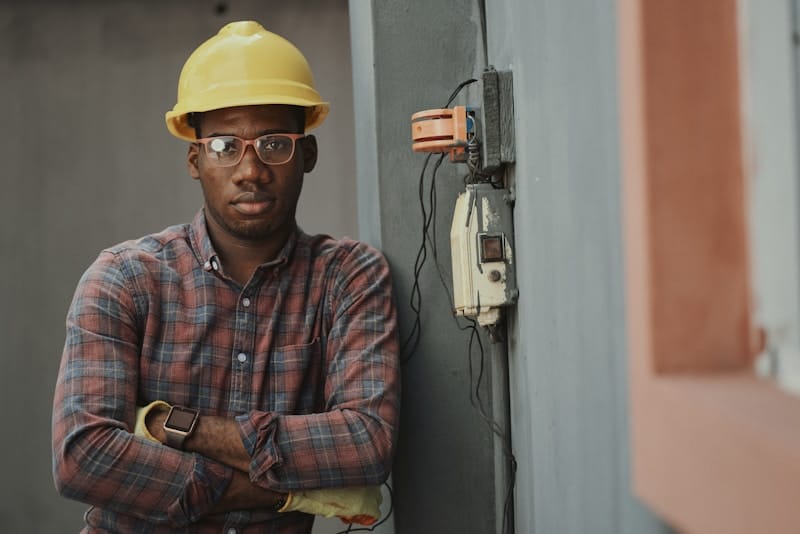
My first week in Medellín, the kitchen sink clogged. Back home I'd have Googled a plumber, read some reviews, and had someone there by afternoon. In Colombia, I spent two hours trying to explain the problem to my landlord in broken Spanish over WhatsApp — then ended up with a guy named Mauricio who arrived, fixed the whole thing in 12 minutes, and charged me 35,000 COP. I overtipped wildly because I was grateful and confused.
Finding home services in Colombia is both easier and harder than you'd expect. Easier because labor is genuinely cheap, workers are typically available quickly, and every building seems to have a loose network of trusted tradespeople. Harder because there's no Angi or Thumbtack equivalent, online reviews barely exist, and as a foreigner you're vulnerable to gringo pricing if you don't know the going rates.
Here's what actually works — covering plumbers, electricians, handymen, cleaners, and movers, with typical prices in COP so you have a real baseline.
Know the Right Names
The first hurdle is vocabulary. Knowing what to call the person you need often determines whether you get a proper professional or someone who improvises:
- Fontanero / Plomero — plumber
- Electricista — electrician
- Maestro de obra — general handyman/contractor (handles tiling, drywall, masonry, minor plumbing)
- Pintor — painter
- Carpintero — carpenter
- Cerrajero — locksmith
- Empleada / Señora de limpieza — cleaning person
- Empresa de mudanzas — moving company
In practice, a maestro handles a lot — tiling, drywall, basic plumbing, and carpentry all might fall under one person's skills. Colombia doesn't have the same rigid trade specializations as the US or UK, which usually works in your favor. The same guy who patches your wall can also hang your shelves.
Where to Find Home Service Workers in Colombia
Word of mouth is still the most reliable method, full stop. Start with your portero (doorman/building concierge) — they've usually been in the building for years and have a trusted list of workers they call repeatedly. My portero in El Poblado had the same fontanero's number memorized and could vouch for exactly how fast he'd show up. Always start there.
Building and neighborhood WhatsApp groups are the next best option. In most Colombian buildings, residents share a WhatsApp group — and someone in that group has used every tradesperson imaginable. Drop a message saying "¿Alguien tiene el número de un buen electricista?" and you'll have three options within the hour.
Facebook groups like "Expats in Medellín" or "Expats in Bogotá" have recommendations too, though quality varies. Useful when you need English-speaking coordinators or companies accustomed to working with foreigners. For actual technical work, these usually connect you to Colombian workers anyway — just with a bilingual middleman.
Once you find one good worker, ask them for referrals. Colombian tradespeople work in informal networks — your fontanero's brother-in-law is likely an electricista, and his neighbor does mudanzas. One good contact tends to cascade into a whole network.
What to Expect to Pay: Typical Prices in COP
These are realistic 2026 ranges for Medellín and Bogotá — smaller cities like Cali or Barranquilla tend to be 10–20% cheaper. Prices vary by estrato and complexity, but this gives you a defensible baseline before anyone quotes you.
Plomería (Plumbing)
- Unclog a drain or toilet: 30,000–60,000 COP
- Fix a leaky faucet or toilet valve: 50,000–120,000 COP
- Replace a water pump: 150,000–400,000 COP (parts extra)
- Install a new water heater (calentador): 200,000–350,000 COP labor only
Electricidad (Electrical)
- Fix a tripped breaker / simple wiring issue: 40,000–80,000 COP
- Install a ceiling fan or light fixture: 60,000–120,000 COP
- Install a new outlet: 80,000–150,000 COP
- Diagnose and repair a circuit problem: 100,000–250,000 COP
Maestro de Obra (General Repairs)
- Patch and paint a wall: 80,000–200,000 COP/day + materials
- Re-tile a bathroom or kitchen: 100,000–180,000 COP/day + tiles
- Hang shelves, assemble furniture, minor carpentry: 50,000–100,000 COP
Limpieza (Cleaning)
- One-time deep clean (half day): 80,000–150,000 COP
- Regular weekly cleaner (full day): 60,000–100,000 COP/day
- Full-time live-out empleada (monthly salary): 1.2–1.5M COP
Mudanzas (Moving)
- Local move, small apartment: 350,000–600,000 COP
- Intercity move (e.g., Medellín to Bogotá): 1.5–3M COP depending on volume
Electricians: A Safety Note You Can't Skip
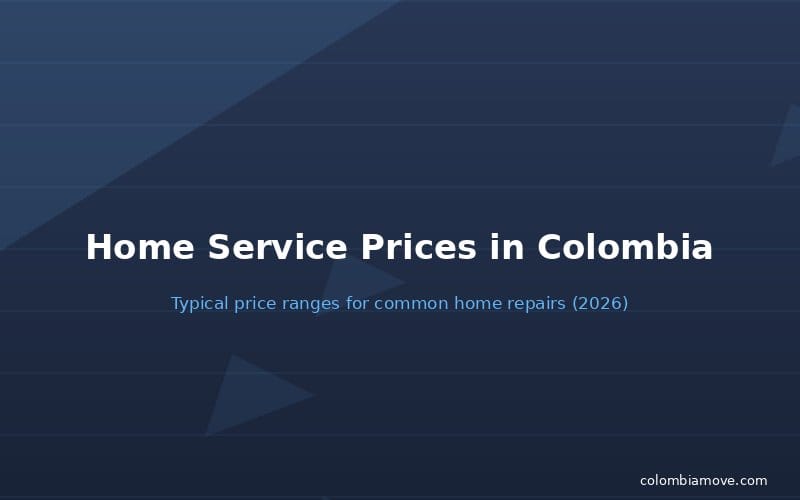
Colombia has real electrical safety issues. Older buildings — especially anything pre-2000 — often have ungrounded wiring, mismatched cable gauges, and amateur repairs layered on top of each other. When circuits keep tripping or outlets spark, it's rarely a one-fix problem.
Ask if they're certificado. A properly trained electrician should have RETIE certification (Reglamento Técnico de Instalaciones Eléctricas). Not everyone will have it, but asking signals you know what you're talking about and you're less likely to get handed a junior apprentice. For major electrical work — rewiring, panel upgrades, anything involving your caja de breakers — don't just take whoever's cheapest.
The only annoying part: finding someone certificado through informal networks isn't always easy. This is where a vetted platform listing (more on that below) or a direct building recommendation from management genuinely helps.
Hiring a Cleaner: What the Legal Side Looks Like
Cleaning is more formalized than you might expect. Colombian labor law is fairly protective of domestic workers — if someone cleans for you regularly (even informally), legal obligations around social security contributions and paid leave start to apply once the relationship is consistent enough to qualify as an employment relationship.
Most expats do one of two things: use a cleaning company (empresa de servicios de aseo) for occasional deep cleans — no employment relationship, cleaner, easier — or hire a private empleada on an informal weekly arrangement. The second option is cheaper and often better quality, but if you're staying long-term, it's worth understanding the basics of domestic labor law so you don't create an accidental legal problem.
For finding cleaning services, building WhatsApp groups and Colombia Move's limpieza listings are both solid starting points. If you want a company with insurance and full compliance, ask for references from other expats — quality varies significantly.
Using Colombia Move to Find Service Providers
If you've just arrived or haven't yet built a local network, Colombia Move's marketplace has dedicated categories for home service workers across Colombia — all free to contact and use.
🔧 Find Verified Home Service Workers
Browse plumbers, electricians, handymen, cleaners, and movers across Colombia — all free to contact, with rates and service areas listed upfront.
Find a Plumber → Find an Electrician →Other useful categories on the platform: reparaciones (general repairs), limpieza (cleaning), and mudanzas (moving services). Listings include WhatsApp contact info, which means you can reach out directly — useful when explaining a repair problem in Spanish over the phone feels like too much.
Negotiating Without Getting Ripped Off
A few rules that have saved me real money:
- Get two quotes for anything over 150,000 COP. It takes 10 minutes over WhatsApp and immediately anchors the real price.
- Clarify labor vs. materials upfront. Most quotes are labor-only. Ask: ¿Incluye materiales? before anyone starts work.
- Ask for a presupuesto detallado (itemized quote) for bigger jobs. Any professional will give you one without complaint.
- Pay at the end, not before. For materials on large jobs, 50% upfront is reasonable. Full prepayment is a red flag.
- Don't squeeze too hard on small jobs. Shaving 20,000 COP off a fair quote isn't worth souring the relationship — especially if you want the same person back.
The gringo pricing issue is real but avoidable. Ask prices in neighborhood WhatsApp groups first, or have a Colombian friend or neighbor give you a reference point, and you're already protected.
📖 Keep Reading
Colombia Cost of Living: What $1,500/Month Actually Gets You
After the Job: Tipping, Payment, and Staying in Touch
Tipping isn't standard for home services the way it is at restaurants. That said, rounding up on a fair quote is always appreciated — if a fontanero quotes 50,000 and does a great job in 20 minutes, paying 70,000 is a generous but normal move.
Cash (efectivo) is still how most independent workers prefer to be paid. Some will have Nequi or Daviplata for digital transfers, but very few accept card payments for in-home service work. Bring cash to be safe. For larger jobs you can often split into materials upfront + labor on completion.
Once you find someone reliable, hold onto their number like gold. The best tradespeople in Colombia are consistently busy and often don't advertise at all — they work entirely on referrals. Your verified electricista or fontanero is genuinely valuable.
Frequently Asked Questions
❓ How do I find a plumber in Colombia if I don't speak much Spanish?
Start with your building's portero — they'll often call and explain the problem for you. You can also reach out via Colombia Move's plomería listings, where many providers list WhatsApp numbers so you can message or send a voice note. Google Translate voice mode works surprisingly well for basic repair conversations.
❓ Do I need to provide tools or materials?
Workers bring their own tools. Materials are usually your responsibility — the fontanero or electricista will tell you what parts are needed, and sometimes offer to buy them for you (with a small markup for the trip). For larger jobs, buying materials yourself at a local Homecenter or ferretería avoids the markup.
❓ What's a fair daily rate for a maestro de obra?
Generally 100,000–180,000 COP per day in Medellín and Bogotá (2026). Painters tend to be on the lower end; tilers and general construction workers mid-range. Always confirm what's included — some expect you to provide lunch (almuerzo), others factor it in.
❓ Is it safe to let a stranger into my apartment?
Use your portero or building management to introduce the worker when possible. For unknown contacts from online listings, ask for a reference or have a neighbor present the first time. Most tradespeople are completely trustworthy — this is the same common-sense caution you'd apply anywhere, not Colombia-specific paranoia.
❓ What repairs are my landlord's responsibility?
Colombian rental law places responsibility for minor repairs on the tenant (generally anything under ~3 SMMLV, or about 4.7M COP in value). Major structural issues — roof leaks, building infrastructure, elevator failures — are the landlord's responsibility. When in doubt, document the problem via WhatsApp message before taking any action, so you have a timestamped record.
If you've figured out a better way to find reliable home service workers in Colombia — a specific app, a WhatsApp group, a vetted company — leave a comment below. These networks live and die by local knowledge, and what works in El Poblado might be totally different from what works in Chapinero.
🇨🇴
Get the next Colombia guide in your inbox
Join 10,000+ expats and future expats. No spam, just useful guides.







Comments
Loading comments...