
Adopting a Pet in Colombia: Rescue Dogs, Cats & What to Know
Adopting a rescue dog or cat in Colombia is easier and cheaper than you think. Here's how to find an animal, navigate the process, and set yourself up for success.

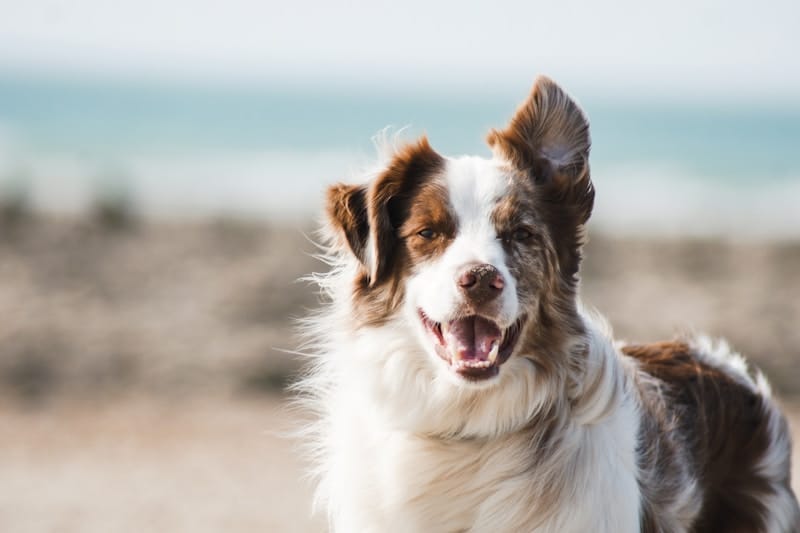
There's a dog at the café where I work most mornings in Laureles. She showed up skinny and skittish about three months ago, and now she has a bed by the counter and a name — Canela. Her owner adopted her from a rescue after spotting a Facebook post. It took about a week, start to finish.
Adopting a pet in Colombia is genuinely one of the easier things you'll do as an expat here. The process is informal by global standards, costs are low, and there are thousands of animals that need homes. Street dogs are everywhere in Colombian cities, the rescues are stretched thin, and good adoptive families are always in short supply.
If you've been on the fence about getting a dog or cat while you're here — whether for a few months or for the long haul — this is probably the sign you needed. Here's what you actually need to know.
Colombia's Street Dog Reality — And Why Adoption Matters
Colombia has one of the highest rates of stray and abandoned animals in Latin America. Estimates put the stray dog population in the millions nationwide. Private foundations (fundaciones) and volunteer rescuers are doing heroic work on tight budgets, and the city-run shelters are almost always at capacity.
The side effect of this that matters to you: there are always dogs and cats available for adoption. You won't be waiting on a waitlist for months, paying thousands to a breeder, or scrambling to find an animal. In many cases, you can find an animal Monday and bring them home Friday. The animals that get rescued are usually vaccinated, sterilized, and temperament-tested by the time they're listed — because the rescues can't afford not to do that prep work.
Where to Find Rescue Dogs and Cats in Colombia
Fundaciones and NGO Rescues
Private rescue foundations are the backbone of pet adoption in Colombia. They operate on donations and adoption fees, and most run through foster networks rather than a central facility — which means the animals are better socialized and you get honest, detailed personality notes from someone who's been living with the dog.
Some well-known rescues by city:
- Medellín: Huellitas en el Corazón, Patitas de Colombia, SOS Animales Medellín
- Bogotá: Fundación Amor Animal, Animal Salud, Asociación Amor y Control Animal
- Cali: Fundación Rescate Animal Cali, Huellitas Cali
- Cartagena: Conexión Animal Cartagena
Most have active Facebook pages or Instagram accounts where they post animals available for adoption. Following them directly is the fastest way to find animals — good ones get claimed quickly.
Facebook Groups
Facebook is still the primary adoption channel in Colombia. Search 'adopción mascotas [your city]' and you'll find several active groups with hundreds of posts per week. You'll see everything from puppies to senior dogs, most already vaccinated and spayed, with real photos and honest descriptions.
A few worth joining: 'Adopciones Medellín,' 'Adopción Responsable Bogotá,' and 'Perritos en Adopción Colombia.' Most posts include age, vaccine status, sterilization, and a brief personality note. Respond in the comments or send the poster a DM — they'll usually ask a few questions about your living situation before confirming.
City Shelters (Pereras)
Every major Colombian city has a municipal animal shelter. These are usually overcrowded and underfunded — the animals there genuinely need homes. The process is more formal than a private rescue (more paperwork, sometimes a few days' wait for processing), but adoption fees are very low, often just covering the cost of sterilization. In Medellín, look up the Centro de Bienestar Animal (CBA). In Bogotá, it's the Hogar de Paso.
The Adoption Process: What to Expect
The specifics vary between rescues, but here's the typical flow:
- Find an animal via Facebook, Instagram, or by visiting the rescue in person
- Fill out an adoption form — expect questions about your home (do you rent? is there a yard?), your schedule, and whether you have other pets or children
- Home visit or video call — many rescues request this, especially for dogs. It's usually a 10-minute WhatsApp call to confirm you have a reasonable living situation
- Pay the adoption fee — typically COP 50,000–200,000 (~$12–50 USD), covering vaccinations and sterilization
- Sign an adoption contract — a basic document committing you to not abandoning the animal and allowing follow-up contact
- Bring them home — some rescues offer a 1–2 week trial period
The home visit step surprises some expats, but don't stress about it. It's not invasive — it's really just a sanity check that you have a decent space and you're not a red flag. If you rent, confirm your landlord allows pets before you start the adoption process. This is the single most common thing that derails an adoption.
How Much Does It Actually Cost?
The adoption fee itself is minimal. The real budget question is ongoing costs — food, vet visits, and prevention treatments. Here's a realistic breakdown for Medellín (Bogotá is similar, slightly pricier in some areas):
| Item | Cost (COP) | USD |
|---|---|---|
| Adoption fee | 50,000–200,000 | $12–50 |
| Sterilization (if needed) | 80,000–350,000 | $20–88 |
| Monthly food (medium dog) | 80,000–200,000 | $20–50 |
| Routine vet visit | 40,000–80,000 | $10–20 |
| Flea/tick prevention | 25,000–60,000/month | $6–15 |
Most expats budget COP 350,000–600,000 per month ($85–150 USD) for a medium dog, including food, occasional vet visits, and supplies. That's a fraction of what pet ownership costs in the US or Europe. Emergency vet care is also dramatically cheaper — something that would run $2,000+ in the US might cost COP 400,000–800,000 ($100–200) here.
📖 Keep Reading
Cost of Living in Medellín: Full Monthly Budget Breakdown — Everything you need to know about budgeting life in Medellín
Pet-Friendly Housing: The One Real Hurdle
This is the biggest friction point for expat pet adopters in Colombia. Not all landlords allow pets, and some apartment buildings have blanket no-pet rules — particularly older buildings and anything managed by a conservative administración.
Before you commit to adopting, verify that your current place allows it or be prepared to move. The good news: pet-friendly rentals are increasingly common, especially in expat-friendly neighborhoods like Laureles, El Poblado, and Envigado in Medellín, or Chapinero and Usaquén in Bogotá. You'll often see 'acepta mascotas' listed on rental ads — look for that phrase specifically.
One heads-up: even if your landlord says yes verbally, get it in writing. Some landlords change their minds, and some buildings have copropiedad rules that override what an individual landlord can authorize. It's worth sorting out clearly before you bring an animal home.
📖 Keep Reading
Renting in Colombia: How to Avoid Gringo Pricing & Find Real Deals — How to find real deals and avoid gringo pricing as a renter in Colombia
Vet Care in Colombia — Honestly Pretty Good
Colombian veterinary care is well-developed, especially in the major cities. Clinics are everywhere — most neighborhoods have one within a few blocks — and prices are a fraction of North American or European rates.
A few things that might surprise you: 24-hour emergency clinics exist in Medellín and Bogotá. Specialist vets (cardiology, orthopedics, dermatology for animals) are available in both cities. Home vet visits are common — useful if your dog stresses at clinics. And online pet pharmacies are well-developed; many will take prescription requests via WhatsApp and deliver the same day.
Vet quality varies, though. If a vet feels like they're rushing you or prescribing aggressively, getting a second opinion is fine and normal. The best way to find a good vet is the same as everything in Colombia: ask other local pet owners. Facebook groups for expats in your city almost always have pinned vet recommendations by neighborhood.
Things to Know Before You Adopt
A few practical notes from people who've done this:
Mixed-breed dogs (criollos) are remarkably hardy. They've been surviving Colombian streets for generations — they tend to be adaptable, smart, and much healthier than imported purebreds. I'd honestly choose a criollo over a purebred for expat life every time.
Foster before committing. Many rescues will let you foster an animal for 1–2 weeks before formalizing the adoption. If you're unsure about the lifestyle fit, or want to test how your apartment handles a dog, this is a genuinely good option. It also gives the rescue time to see how the animal settles with you.
If you're planning to eventually leave Colombia and take your dog with you, start the paperwork early. Taking a Colombian rescue dog to the US, Canada, or Europe involves health certificates, rabies titers, and specific microchip requirements — and timing matters. We cover the logistics in detail in our guide to bringing a pet to Colombia — the process for taking one out follows similar documentation logic.
Language at the vet is usually fine. Most urban vets in Colombia understand enough to serve foreign clients, and Google Translate on your phone handles the rest. Some clinics in expat neighborhoods have English-speaking staff. It's not the barrier it might seem.
Frequently Asked Questions
❓ Can foreigners adopt pets in Colombia?
Yes, absolutely. There are no restrictions on foreigners adopting pets in Colombia. You'll need a local address and a way to communicate (WhatsApp is standard), but nationality is not a barrier. Some rescues may ask for a copy of your cedula de extranjería or passport, but it's just for their records.
❓ How long does the adoption process take?
Usually 3–7 days from first contact to bringing the animal home. The main variables are how fast the rescue processes your form, whether they require a home visit, and how quickly you can arrange transport. If you find an animal on Monday and everything checks out, you could reasonably have them home by the weekend.
❓ Do adopted dogs in Colombia need to be sterilized?
Most rescues require that dogs and cats be sterilized as a condition of adoption, and many will have already done it before you receive the animal. If not, they'll usually include the sterilization in the adoption agreement — you commit to having it done within a set timeframe (often 30–60 days) and may provide proof.
❓ Can I take my Colombian rescue dog back to the US or Europe?
Yes, but start the process at least 3 months before you travel. You'll need an ISO-standard microchip, a valid rabies vaccination with proper timing, an international health certificate from an accredited vet, and for some countries, a rabies titer test. Requirements vary by destination — check the specific country's requirements well in advance.
❓ What's the average cost of a vet visit in Colombia?
A standard consultation runs COP 40,000–80,000 (~$10–20 USD). Vaccines cost COP 30,000–80,000 each. A full sterilization surgery ranges from COP 80,000 (cat) to COP 350,000 (large dog). Emergency or specialist visits cost more but are still dramatically cheaper than equivalent care in North America or Europe.
Have you adopted a pet in Colombia?
Drop a comment below — we'd love to hear your story. And if this guide helped, share it with someone who's considering adopting while living abroad.
🇨🇴
Get the next Colombia guide in your inbox
Join 10,000+ expats and future expats. No spam, just useful guides.




Comments
Loading comments...