
How to Hire a Maid or Cleaning Service in Colombia
Hiring a cleaner or empleada doméstica in Colombia is affordable and common — but fair pay, legal obligations, and where to find help aren't always obvious. Here's what you actually need to know.

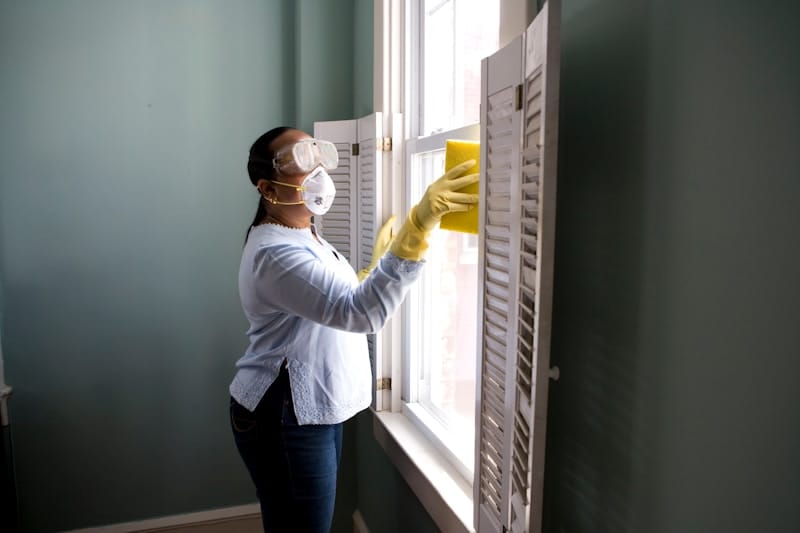
One of the first things I noticed after renting my apartment in Laureles was a flyer tucked under the door: a woman offering cleaning services, Wednesdays and Saturdays, very reasonable rate. I called. She came. By the third visit, she knew where I kept everything and had reorganized my kitchen more efficiently than I ever had. Three years later, she still comes every week.
Hiring domestic help in Colombia is genuinely affordable, widely normalized, and — when done right — one of the best quality-of-life decisions you can make as an expat. But there's a gap between hiring someone casually and doing it properly, and that gap matters. Day rates, legal obligations, how to find trustworthy help, what to pay — here's everything I've learned.
This guide covers hiring both one-time cleaners and regular empleadas domésticas. The rules — and the etiquette — are different for each.
Where to Find Reliable Cleaning Help in Colombia
The best source is almost always word of mouth. Ask your neighbors, your building's portero (doorman), or other expats in local Facebook groups. In cities like Medellín and Bogotá, expat communities share recommendations constantly — someone in your building has already done the legwork of vetting reliable cleaners.
WhatsApp groups for your barrio or building are another good channel. In El Poblado or Laureles, these groups are active and someone will usually respond within hours. Don't overlook the portero — they often know several cleaners who work in the building and can vouch for them personally.
For domestic services, you can also browse listings on platforms like Colombia Move's services marketplace at colombiamove.com, where individuals post their availability and rates. It's free to browse and listings include photos and contact info. Avoid random door-to-door flyers unless you get a reference — that's the one time I'd want a personal recommendation first.
Apps like Hogaru (Medellín-based) offer vetted cleaners on demand with background checks, which is worth paying a small premium for if you're new and haven't built a local network yet. The downside is slightly higher rates and less consistency — you don't always get the same person.
What to Pay — Day Rates and Monthly Salaries
This is the question everyone asks first, and the honest answer is: there's a range, and it depends on location, type of work, and frequency.
For a one-time cleaning day (typically 7–8 hours), expect to pay between COP 60,000 and COP 100,000 (roughly $15–$25 USD) in Medellín. In Bogotá, rates run slightly higher, around COP 80,000–120,000. El Poblado and Chapinero on the higher end; popular residential areas like Laureles, Envigado, or Teusaquillo on the lower.
If you're hiring someone to come regularly — say two or three days a week — you're looking at a monthly outlay of COP 400,000–700,000 ($100–$175 USD) depending on hours and tasks. Some cleaners working Monday to Friday full-time earn around the minimum wage (salario mínimo), which in 2026 is roughly COP 1,423,500/month. For full-time live-out help who also cooks and does laundry, paying at or above minimum wage is standard — and honestly the right thing to do.
Don't try to lowball. The market rate is already very affordable by any Western standard, and undercutting what local families pay creates a bad reputation in your building and does nothing for your relationship with your cleaner. Pay fairly, pay on time, and you'll have reliable help that sticks around.
📖 Keep Reading
Want to know what everything else costs? Our full breakdown covers rent, food, transport, and more.
Colombia Cost of Living 2026: What $1,500/Month Gets You →One-Time Cleaner vs. Regular Empleada: Know the Difference
This distinction matters legally, not just practically. In Colombia, household workers who work with you regularly — even once or twice a week — can be considered employees under labor law if the relationship is ongoing. A true one-time service call is different from a recurring arrangement that continues month after month.
One-time or sporadic cleaners (often called 'por días') are typically self-employed and invoice you per visit. There's no employment relationship, no benefits owed. You pay the agreed rate, done.
A regular empleada doméstica who works a set schedule week after week — that's where Colombian labor law kicks in. The rules aren't complicated, but ignoring them isn't wise. More on that below.
Legal Obligations When You Hire Regularly
Colombia takes domestic worker rights seriously. Since 2013, empleadas domésticas have the same labor rights as any other worker: minimum wage (if full-time), paid vacation, severance (cesantías), health insurance, and pension contributions. If you're hiring someone to come regularly, you're their employer — that's the framing the law uses.
What you're technically required to do
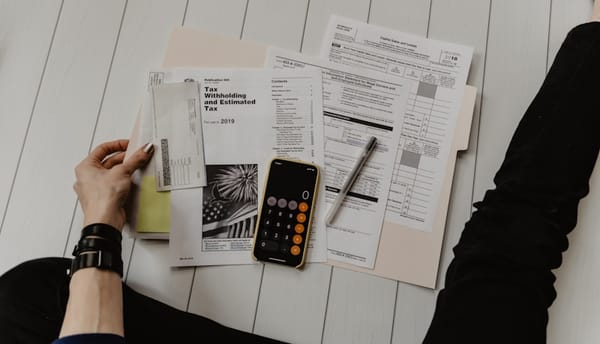
For regular domestic employees, the employer is required to register them in the social security system (salud y pensión), pay their health (EPS) and pension contributions, pay a Christmas bonus (prima), give 15 working days of vacation per year, and pay cesantías (severance savings) into a cesantías fund.
In practice, many informal arrangements in Colombia don't follow all of these steps — especially with part-time or 'por días' workers. But if you're hiring someone to come three or more days a week consistently, you should at least make social security contributions. The cost isn't enormous — it typically adds around 20-25% on top of the base salary — and it protects both of you if something goes wrong.
If you're only comfortable doing informal cash arrangements (which is common for one or two days a week), have a clear conversation about it upfront and pay fairly to compensate for the lack of benefits. Many cleaners working por días prefer cash and set their rates to account for it — but that's their call to make, not yours to assume.
The paperwork if you go formal
You don't need a lawyer for this. You'll create a basic contrato de trabajo (domestic service contract), register the worker with the UGPP (tax authority) for social security, and set up monthly payments through a PSE payment or bank transfer. There are accountants in every city who handle domestic worker paperwork for a small monthly fee — around COP 50,000–80,000. Worth it if you're hiring someone full-time.
What to Expect on the First Day
Come home to find things moved. That's the first adjustment. Colombian cleaners clean thoroughly, which often means reorganizing surfaces, relocating items from where you left them, and folding things differently than you fold them. It's not overstepping — it's how the job is done here.
Have a brief walkthrough before the first session. Show them which rooms to prioritize, whether you have fragile or irreplaceable items to be careful with, and any preferences (no bleach on certain surfaces, don't move the papers on my desk, etc.). Colombians respond well to clear, respectful instructions — this isn't rudeness, it's professionalism.
Leave cash payment somewhere visible if you won't be home, or do a bank transfer (Nequi works perfectly for this). Most cleaners prefer being paid the same day. If you're going to be out, let them know in advance and leave a key with the portero or make an arrangement that works for both of you.
Tipping and How to Treat Your Empleada Right
Tipping isn't standard in Colombia the way it is in the US, but there are customs worth knowing — I cover the broader picture in the tipping guide for Colombia. For cleaners specifically: paying on time and at the agreed rate is the baseline. A small year-end bonus (aguinaldo or gifts at Christmas) is expected and appreciated — a few extra days' pay or a basket of goods is typical.
Don't negotiate down mid-arrangement unless something's genuinely changed. If the cleaner raised their rate after a year, pay it — inflation in Colombia is real and the increase is usually justified.
The bigger etiquette thing for foreigners: don't treat your empleada like invisible furniture. Greet them warmly when you're home, offer water or coffee, and don't leave the place in a state that suggests you view the cleaning as beneath you to manage at all. Colombians have a strong sense of dignidad (dignity) in their work, and cleaners are no exception. Treat them with respect and they'll go above and beyond for you.
📖 Keep Reading
Understanding Colombian social customs will make every interaction — including with household staff — go more smoothly.
Colombian Etiquette: What Every Foreigner Should Know →Frequently Asked Questions
❓ What's the average cost to hire a cleaner in Medellín?
For a one-time cleaning day (7–8 hours), expect to pay COP 60,000–100,000 ($15–$25 USD) in Medellín. Regular weekly cleaners typically earn COP 60,000–80,000 per day. Monthly rates for 2–3 days per week range from COP 400,000–600,000 depending on the scope of work.
❓ Do I have to pay Colombian taxes or benefits if I hire a maid?
For regular employees working a consistent schedule, yes — you're technically required to make social security (health and pension) contributions. For sporadic or 'por días' workers, the rules are less clear-cut. Consult a local accountant if you're unsure, or stick to infrequent arrangements to avoid the employer classification.
❓ Where's the best place to find a trustworthy cleaner in Colombia?
Word of mouth via your building's portero, neighbor recommendations, or expat Facebook groups are the most reliable options. Apps like Hogaru offer vetted cleaners with background checks for those who are new and don't yet have a local network. Colombia Move's services marketplace is another option for finding local professionals.
❓ How many days a week do most expats hire a cleaner?
One to two days a week is most common for single expats or couples. Families with kids typically hire 2–3 days. Full-time live-out empleadas (Monday–Friday) are rare for expats unless you have a large household or young children.
❓ Should I provide cleaning supplies, or does the cleaner bring their own?
Most cleaners expect you to provide supplies — mop, broom, cleaning products, cloths. Some will bring their own mop or specific products they prefer, but don't assume. Stock the basics (Ajax or Mr. Músculo, floor cleaner, a broom and mop) before the first visit and ask on the call what they prefer to work with.
Ready to Hire?
Hiring reliable domestic help in Colombia is genuinely one of the easier quality-of-life wins available to expats here — and at local rates, it's accessible on almost any budget. Get a reference if you can, pay fairly, communicate clearly, and you'll end up with an arrangement that works for both of you.
Have a question about rates in your specific city or neighborhood? Drop it in the comments below, or ask the expat community at colombiamove.com/comunidad — someone there has likely hired in that area and can give you a real number.
🇨🇴
Join Colombia Move — free bilingual marketplace
Jobs, services, housing, classifieds. Free to post, no commissions, no middlemen.
Sign up free







Comments
Loading comments...