
Best Neighborhoods in Cali for Expats: Granada, San Antonio & More
Granada is the expat default, San Antonio has more soul, and Ciudad Jardín has the best security. Here's an honest breakdown of where to actually live in Cali.

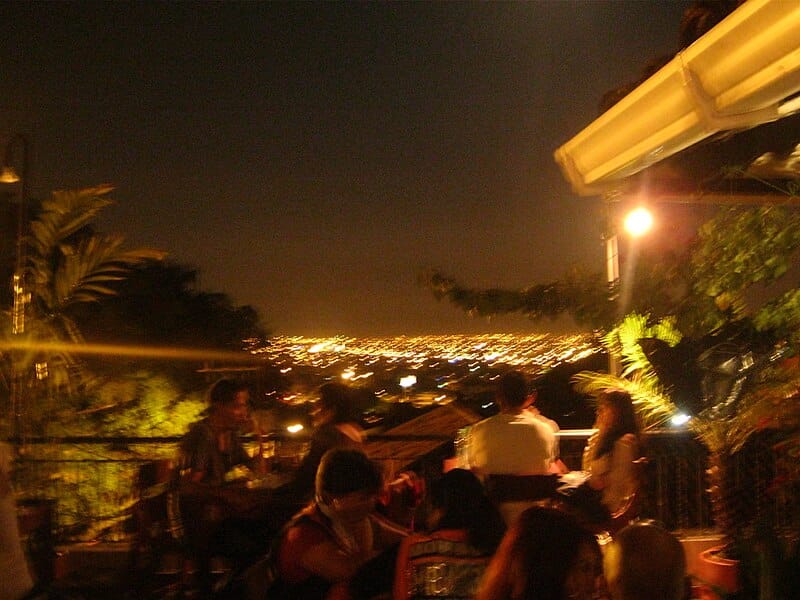
Most people land in Colombia and head straight to Medellín. I did the same thing. But after six months there, a friend dragged me to Cali for a long weekend and I didn't go back to Medellín for three months. Something about Cali sticks.
If you're seriously considering living in Cali — not just visiting — the neighborhood you choose will define your entire experience. Cali is more spread out than Medellín and has less public transport, which means the wrong neighborhood isn't just inconvenient, it's genuinely isolating. The good news: the right neighborhoods are genuinely great.
This guide covers the main expat-friendly neighborhoods in Cali: what each one actually feels like, what rent costs, who it suits, and the things nobody mentions until you've already signed a lease.
Understanding Cali's Layout Before You Choose
Cali runs roughly north-south through the Cauca Valley, with the Farallones mountains to the west providing that dramatic backdrop you see in every Instagram photo. The Cali River (Río Cali) cuts through the city and acts as a rough dividing line between a few neighborhoods.
The expat-friendly zone is concentrated in the center and north: Granada, San Antonio, El Peñón, Ciudad Jardín, and parts of Versalles. Go too far south or east and the city changes character quickly. Unlike Medellín's metro, Cali's MIO bus rapid transit is useful for commuting but won't get you everywhere — factor in InDrive or DiDi costs if you're choosing a neighborhood with less pedestrian infrastructure.
Estrato matters here too. Cali uses the same 1-6 socioeconomic zoning as the rest of Colombia. Estrato 5-6 areas (Ciudad Jardín, parts of El Ingenio) come with higher utility bills, but they're also safer, better maintained, and have more services. Most expats land in estrato 3-4.
📖 Keep Reading
New to Cali? Start with the full expat guide covering costs, safety, transport, and the salsa scene.
Cali, Colombia: The Expat Guide to the Salsa Capital →Granada: The Expat Default (For Good Reason)
Granada is the neighborhood most expat guides recommend first, and it deserves the reputation. It sits roughly in the center-north of the city, east of the river, around Avenida 9N. The streets are wide, tree-lined, and walkable in a way that's rare in Cali. There are good restaurants, coffee shops with WiFi, and enough international faces that you won't feel completely out of place.
Rent for a furnished one-bedroom runs 1.8–2.5 million COP/month ($450–625), making it slightly pricier than other options in the city. You're paying for walkability and convenience. Two-bedrooms go for 2.5–3.5 million COP. Most of the nicer buildings have 24-hour portería (doorman service), which significantly reduces petty theft risk.
Who Granada Is Best For
If you're arriving in Cali with no existing network, no Spanish, and want the lowest-friction landing, Granada is it. You'll find co-working spaces, expat Facebook groups organize meetups here, and the restaurant strip along Avenida 9N has everything from coffee to cocktails within a short walk.
The only honest complaint I've heard: it can feel like a bubble. If you want to actually integrate into Cali's culture rather than hang out with other foreigners, you'll eventually want to look elsewhere. But for the first three months while you're figuring out the city? Granada is sensible.
San Antonio: My Personal Favourite
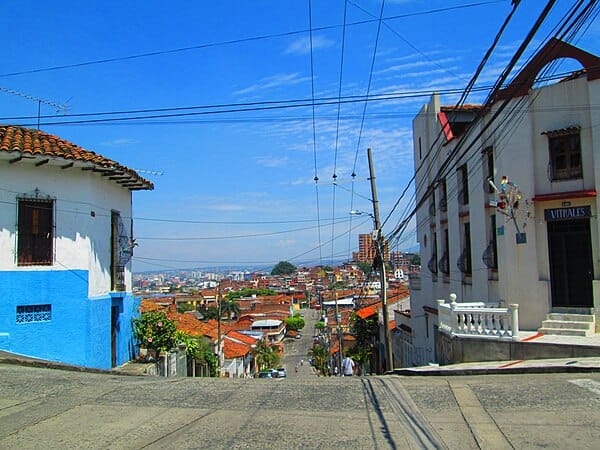
San Antonio is the bohemian heart of old Cali, built on a hill west of the center with views over the city. The church at the top (Capilla de San Antonio) is a landmark, and the neighborhood radiating down from it is full of colonial architecture, street art, independent cafes, and the kind of energy that makes you want to stay.
Rent is cheaper than Granada: furnished one-bedrooms typically run 1.2–1.8 million COP ($300–450), and you can find some genuinely characterful apartments in old colonial houses for that price. The trade-off is that the streets are narrower, steeper, and harder to navigate by car. Parking is a nightmare. But if you don't have a car — and many expats in Cali don't — it doesn't matter.
The area has more nightlife activity than Granada, which is a plus for some and a minus for others. Friday and Saturday nights get loud near the main square. I personally loved it. My neighbor in the apartment next door did not.
Who San Antonio Is Best For
Creative types, people who want to be embedded in Colombian culture rather than expat culture, and anyone who values character over polish. The cafes here are where Caleño artists and musicians hang out — you'll learn more Spanish accidentally in San Antonio than you will in a month of classes in Granada.
Also worth knowing: San Antonio is close to the Centro Histórico, which means it borders areas that get sketchy at night. Know which streets to avoid after dark, and don't flash phones or jewelry on the main roads. Within the neighborhood itself, it's fine.
El Peñón: Artsy, Upscale, and Right by the River
El Peñón sits directly east of San Antonio along the Río Cali, and together they form what feels like a continuous arts-and-cafes zone in the city center. El Peñón is the slightly more polished version — the buildings are newer, the restaurants are nicer, and Parque El Peñón (a riverside green space) makes it one of the more pleasant places to go for a morning run.
Rent reflects this: expect to pay 2–3 million COP for a furnished one-bedroom, occasionally more for newer builds right on the water. There's a cluster of excellent restaurants and cafes along Calle 5 that has quietly become one of Cali's best dining strips.
El Peñón appeals to expats who want something between Granada's convenience and San Antonio's character — a compromise neighborhood, but a genuinely good one. It's also where you'll find some of Cali's independent art galleries and design studios if that matters to you.
🏠 Find Housing in Cali
Browse apartments and rooms in Granada, San Antonio, and other Cali neighborhoods — free listings, no broker fees.
Browse Cali Listings →Ciudad Jardín: Quiet Money and Good Security
Ciudad Jardín is the most upscale neighborhood most expats can realistically afford — estrato 5-6, southern end of the city, known for wide streets, mature trees, country clubs, and a residential calm that feels like a different world from the city center. It's also home to ICESI University, so there's a slightly younger, more international demographic around the university area.
Furnished apartments here typically start at 2.5 million COP and go up significantly. Unfurnished options are easier to negotiate long-term. The security is noticeably better than other neighborhoods — fewer motorbike snatches, better-lit streets, most buildings have strict access control.
The Practical Catch
Ciudad Jardín is not walkable for most daily needs. You'll want a car or consistent InDrive access. The nearest supermarket isn't a five-minute stroll away like in Granada. If you're a remote worker who rarely needs to go downtown, this isn't a big deal. If you're commuting or want to be out and about daily, the location will frustrate you.
That said, the Chipichape and Unicentro malls are close by if you need reliable supermarkets, pharmacies, and all the rest. Some expats with families strongly prefer Ciudad Jardín precisely because of the quieter streets and school access.
Versalles and Normandía: The Underrated Middle Ground
These two neighborhoods sit northwest of Granada, across the river, and are genuinely underrated. Less expat infrastructure than Granada, but solid estrato 3-4 residential areas with good street security, decent restaurants, and significantly lower rents.
One-bedrooms here go for 1–1.5 million COP ($250–375). If you've been in Cali for a few months and want more space for less money without moving somewhere genuinely rough, Versalles is worth a look. Normandía is slightly nicer; Versalles borders some areas you'd want to research before committing.
The honest trade-off: you'll need InDrive to get anywhere, the public infrastructure isn't as polished, and you'll be doing most daily life in Spanish from day one. For some people that's a feature, not a bug.
Neighborhoods to Avoid (Or Research Carefully)
Buenaventura aside — that's a different city entirely — within Cali itself, there are large swaths of the south and east that range from rough to genuinely dangerous for foreigners. Aguablanca, Siloe, and much of the eastern periphery are not areas where an expat should be apartment-hunting without deep local knowledge and a specific reason.
Even in central Cali, the areas immediately north of the bus terminal (Terminal de Transporte) and parts of El Centro get dicey after dark. None of this means Cali is uniquely dangerous — every Latin American city has its geography of risk — but it does mean neighborhood choice matters more here than in Medellín's Poblado bubble or Bogotá's Zona Rosa.
If you're unsure about a specific street or block, ask in expat Facebook groups or the Colombia Move community — Caleños and long-term expats are usually happy to give honest assessments.
Rent Prices in Cali: A Quick Summary
As of 2026, here's what furnished apartments realistically cost in each main expat neighborhood:
| Neighborhood | 1BR (COP/mo) | 1BR (USD/mo) | Vibe |
|---|---|---|---|
| Granada | 1.8–2.5M | $450–625 | Expat hub, walkable |
| San Antonio | 1.2–1.8M | $300–450 | Bohemian, cultural |
| El Peñón | 2.0–3.0M | $500–750 | Artsy, riverside |
| Ciudad Jardín | 2.5M+ | $625+ | Upscale, quiet |
| Versalles | 1.0–1.5M | $250–375 | Local, budget-friendly |
These are furnished figures. Unfurnished apartments run 20-35% cheaper and are easier to negotiate on a 6-12 month lease. Most landlords in expat-friendly areas have dealt with foreigners before and are used to month-to-month arrangements, though you'll pay more for that flexibility.
📖 Keep Reading
Weighing Cali against other Colombian cities? See how they stack up for expats.
Best Cities to Live in Colombia: Ranked for Expats →Finding an Apartment in Cali
The usual routes: Facebook groups (Expats in Cali, Colombia Expats), Finca Raíz for Colombian listings, and Colombia Move's Cali listings for bilingual options from local landlords. The interactive map view is useful for understanding where listings are relative to the neighborhoods described above.
One thing worth knowing: many of the better apartments in San Antonio and El Peñón are not formally listed anywhere. They circulate through word of mouth, WhatsApp groups, and notes pinned to doors. If you're in Cali already and targeting a specific neighborhood, walk around on a weekday morning and look for 'Se Arrienda' signs. You'll often get a better deal than anything listed online.
For health insurance while you're getting settled, I use SafetyWing — it covers Colombia with no prior residency required and is significantly cheaper than private Colombian prepagada plans if you're not yet eligible for EPS.
SafetyWing international health insurance — good stopgap while you're setting up in Colombia.
❓ FAQ: Living in Cali Neighborhoods
❓ Which Cali neighborhood is safest for expats?
Granada and Ciudad Jardín are generally considered the safest for expats, with lower theft rates and better-lit streets. San Antonio and El Peñón are safe within the neighborhood itself but border rougher areas — stick to well-traveled streets after dark.
❓ Can I find short-term furnished rentals in Cali?
Yes, especially in Granada and El Peñón. Airbnb has decent coverage, but you'll get better prices going direct. One-month furnished rentals in Granada typically run 2–2.5 million COP. Search Facebook expat groups for short-term options — landlords often post directly there.
❓ Is Granada better than San Antonio for expats?
Depends what you want. Granada is easier — more expat infrastructure, better English spoken by service staff, more international restaurants. San Antonio has more character, cheaper rent, and a more authentic Caleño feel. Most people start in Granada and move to San Antonio once they know the city.
❓ How do I get around Cali without a car?
InDrive is the dominant ride app in Cali — much more popular than Uber here. You name your price and drivers accept or counter-offer. The MIO BRT covers major corridors but won't get you everywhere. Most expats in walkable neighborhoods like Granada or San Antonio get by fine without a car.
❓ Are there neighborhood pages I can browse for Cali housing?
Yes — colombiamove.com/ciudad/cali/granada, /ciudad/cali/san-antonio, and /ciudad/cali/el-penon have neighborhood-specific listings. You can also use the map view at colombiamove.com/buscar to see what's available where.
If you've lived in Cali and have thoughts on a neighborhood I've missed — or a strong opinion about one I've described — drop it in the comments. Local knowledge from people actually on the ground is worth more than any guide, including this one.
🇨🇴
Join Colombia Move — free bilingual marketplace
Jobs, services, housing, classifieds. Free to post, no commissions, no middlemen.
Sign up free





Comments
Loading comments...