
Altitude Sickness in Colombia: Bogotá, Medellín & High-Elevation Tips
Bogotá sits at 2,640m — high enough to give many visitors a rough first day. Here's how to acclimatize fast, what remedies actually work, and which cities you don't need to worry about at all.
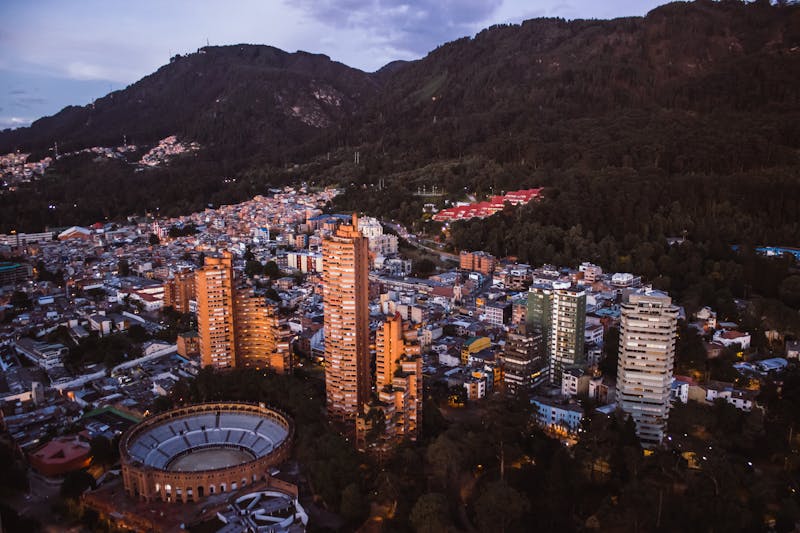
My first morning in Bogotá, I woke up with what I assumed was a hangover. Pounding headache, mild nausea, and a strange sense of being slightly out of breath just from walking to the bathroom. I'd had two beers at the airport bar. That wasn't it.
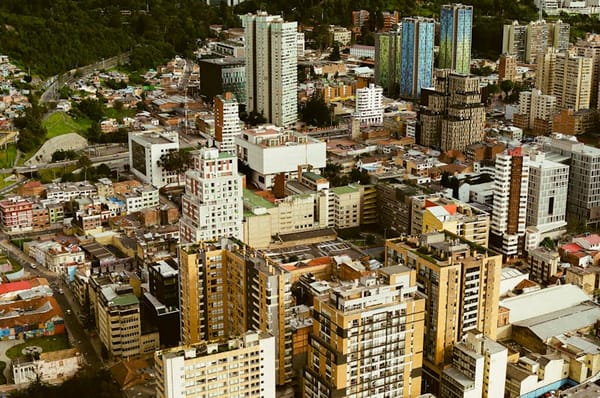
Bogotá sits at 2,640 meters (8,660 feet) above sea level — higher than Denver, higher than most Andean cities you've probably visited, and dramatically higher than wherever you're flying in from. Altitude sickness, called soroche in Colombia, is real, and it catches a surprising number of visitors and new expats off guard.
The good news: most cases are mild and pass within a day or two. The better news: there are specific things you can do to minimize the misery. Here's what you actually need to know.
How High Are Colombia's Main Cities?
Colombia's elevation varies wildly. The coastal cities — Cartagena, Santa Marta, Barranquilla — sit at sea level and you'll feel nothing. But the interior cities are a different story entirely:
Bogotá: 2,640m (8,660 ft) — this is the big one. Most international arrivals land here, and the jump is jarring if you're coming from sea level.
Medellín: 1,495m (4,905 ft) — just under the threshold where most people feel any significant effects. It's warm, comfortable, and the reason so many expats choose it over Bogotá.
Manizales: 2,153m (7,064 ft) — one of the Eje Cafetero's coffee towns, and high enough to cause mild symptoms in some people.
Bucaramanga: 959m (3,146 ft) — low enough that altitude is basically a non-issue.
Cali: 995m (3,264 ft) — similar to Bucaramanga. You won't notice it.
The pattern is clear: if you're staying in Medellín, Cartagena, or the coast, altitude isn't your concern. If you're spending time in Bogotá or the high coffee towns, it is.
Symptoms of Altitude Sickness (Soroche)
Altitude sickness happens when your body hasn't had enough time to adapt to lower oxygen levels. At 2,640m, the air has roughly 26% less oxygen than at sea level. Your body responds by doing more with less — breathing faster, producing more red blood cells — but that adaptation takes time it doesn't have when you step off a plane.
The classic symptoms of mild altitude sickness, which most people experience in Bogotá to some degree:
• Headache — often the first sign, typically dull and persistent • Fatigue and lethargy — you'll feel more tired than usual doing basic tasks • Shortness of breath — especially noticeable when climbing stairs or walking uphill • Nausea — ranges from mild queasiness to full vomiting in worse cases • Dizziness or lightheadedness • Poor sleep quality — altitude disrupts sleep architecture
These symptoms usually hit within 6-12 hours of arrival and peak around day two. Most people feel significantly better by day three or four.
The more serious form — High Altitude Cerebral Edema (HACE) or Pulmonary Edema (HAPE) — is rare at Bogotá's altitude and mainly a concern if you're heading to genuinely extreme elevations (above 4,000m). Think Sierra Nevada de Santa Marta summits or the Páramo de Chingaza. If you're just arriving in Bogotá, HACE/HAPE isn't your worry.
Who Gets Hit Hardest (And Who Skates Through)
Altitude sickness does not correlate with physical fitness. Marathoners suffer. Couch potatoes feel nothing. The main predictor is your previous altitude exposure and individual physiology — neither of which you can control much.
That said, a few factors do increase your risk:
Ascending quickly: Flying directly from sea level to Bogotá gives your body zero time to prepare. Compare that to someone who spent a week in Medellín first — they'll adjust to Bogotá much more easily.
Alcohol and dehydration: Both exacerbate symptoms significantly. The altitude-hangover combo I experienced that first morning is extremely common. Drinking heavily on your first night in Bogotá is a bad idea.
Previous altitude sickness: If you've had it before, you're somewhat more likely to get it again in the same conditions. Not certain — but a reasonable predictor.
Age: Younger people seem slightly more susceptible, though the research on this is mixed. Children tend to adapt faster.
How to Acclimatize in Bogotá: What Actually Works
There's a lot of folk wisdom around altitude sickness — coca tea, cold showers, not eating heavy meals. Some of it is real, some is placebo. Here's what the evidence and personal experience actually supports:
Take it easy the first 24-48 hours
Don't plan a packed sightseeing day the moment you land. Give your body a day to adjust. Walk slowly, avoid the stairs if you can, and don't be embarrassed about needing to rest. The museums will still be there tomorrow.
Hydrate more than you think you need to
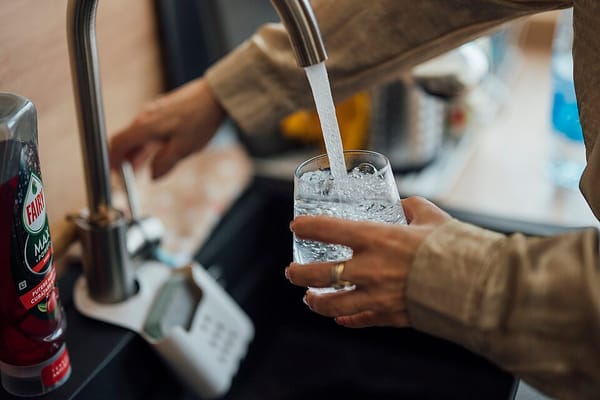
Altitude increases water loss through respiration. Bogotá's air is also dry. Drinking 3-4 liters of water per day during your first few days makes a noticeable difference to headache severity. Avoid caffeine in excess, and definitely avoid alcohol on day one.
Ibuprofen works for altitude headaches
Ibuprofen (called Ibuprofeno here, available over-the-counter at any pharmacy) genuinely reduces altitude headache severity. Take 400mg before bed or when symptoms hit. Acetaminophen (Acetaminofén) also helps. Skip aspirin.
Acetazolamide (Diamox) — the prescription option
Acetazolamide is a diuretic that speeds up acclimatization by forcing your kidneys to excrete bicarbonate, which triggers faster breathing. It works well. The downsides: it requires a prescription (easy to get in Colombia — any GP will prescribe it), causes increased urination, and makes carbonated drinks taste flat. If you're only in Bogotá for a few days and can't afford to feel terrible, it's worth asking for.
Coca tea (aguapanela de coca): mild but real
The coca leaf has mild altitude-relief properties — it's used throughout the Andes for this reason. In Colombia you'll find it in many hotels and restaurants in Bogotá. It's not a cure, but a warm cup genuinely takes the edge off. Coca candy (sold at airport shops) is another common form. Worth trying, especially if you're avoiding pharmaceuticals.
Sleep and rest matter more than you think
Altitude disrupts sleep — you may wake frequently or feel like you didn't sleep deeply. Go to bed earlier than usual and don't push through fatigue trying to maximize your trip. Your body is doing real work adapting.
📖 Keep Reading
Medellín vs Bogotá — Which Colombian City is Right for You?
A deep-dive comparison of climate, cost, lifestyle, and more to help you pick your Colombian home base.
The Medellín Advantage: Why Altitude Lovers Often End Up There
This is one of the most underrated factors in the Medellín vs Bogotá debate. At 1,495m, Medellín sits well below the altitude sickness threshold for most people. You get mountain city benefits — mild temperatures year-round, beautiful topography — without the oxygen hit.
If you're considering a longer stay in Colombia, Medellín consistently ranks as the top city for expats partly for this reason. The climate is genuinely pleasant, the altitude is unnoticeable for most people, and you can take weekend trips to Bogotá without living at high altitude full-time.
That said, Bogotá has its own appeal — it's the cultural, political, and financial capital. You adapt faster than you think, and within a week most people feel completely normal.
Other High-Elevation Spots Worth Knowing About
A few places in Colombia hit elevations where even Bogotá veterans notice the difference:
El Cocuy (4,000m+): The highest trekking destination in Colombia. If you're planning to hike here, acclimatize in Bogotá for 3-4 days first. This is where HAPE/HACE risk becomes real.
Páramo de Chingaza (~3,800m): A popular day trip from Bogotá. Fine for most fit adults, but if you struggled in Bogotá, skip this one or take it slowly.
Manizales and the Eje Cafetero (2,150m): Flying directly to Manizales from sea level can cause mild symptoms. A day in Bogotá first helps.
Villa de Leyva (2,133m): A hugely popular weekend destination from Bogotá. Most people who've already acclimatized to Bogotá feel fine here.
When to See a Doctor
Mild soroche is manageable at home. But escalate quickly if you experience any of these:
• Symptoms that get significantly worse after 48 hours rather than improving • Persistent vomiting that prevents you from staying hydrated • Confusion or disorientation — this is a red flag • Coughing up frothy or bloody mucus (sign of pulmonary edema) • Extreme difficulty breathing at rest, not just on exertion
If any of those happen, get to a clinic immediately. In Bogotá, Clínica del Country and Clínica de Marly are well-regarded private hospitals. Any major EPS facility handles altitude-related illness routinely.
The definitive treatment for severe altitude sickness is descent. Dropping even 500m can produce rapid improvement. If you're in Bogotá and truly miserable, a flight to Medellín or Cartagena is legitimately therapeutic.
🛡️ Don't Get Caught Without Coverage at Altitude
Altitude-related illness can escalate fast — and Colombia's public hospitals vary wildly in quality. SafetyWing Nomad Insurance covers emergency evacuation, hospitalization, and more, starting from $56/month.
Get SafetyWing Coverage →📖 Keep Reading
Colombia Healthcare for Expats: EPS vs Private Insurance
What healthcare actually costs in Colombia, how EPS enrollment works, and whether private insurance is worth it.
Frequently Asked Questions
❓ Does everyone get altitude sickness in Bogotá?
No — it's very individual. Roughly 25-30% of visitors to Bogotá experience noticeable symptoms. Some people feel nothing at all; others feel genuinely rough for a couple of days. There's no reliable way to predict it in advance.
❓ How long does altitude sickness last in Bogotá?
Mild symptoms typically peak on day 1-2 and resolve by day 3-4. Occasionally people feel off for a full week. If you're still experiencing significant symptoms after 5 days, see a doctor.
❓ Is Medellín high enough to cause altitude sickness?
For most people, no. At 1,495m, Medellín is below the threshold where typical altitude sickness occurs (generally 2,400m and above). A minority of particularly sensitive individuals might notice mild fatigue or slightly faster breathing for a day or two, but it's uncommon and usually mild.
❓ What is soroche and is it dangerous?
Soroche is the Andean Spanish term for altitude sickness. The vast majority of cases are mild and self-resolving. It becomes dangerous only at extreme altitudes (4,000m+) or if warning signs like confusion and breathing difficulties are ignored. At Bogotá's elevation, it's uncomfortable, not dangerous, for healthy adults.
❓ Can I drink coca tea in Colombia legally?
Yes, completely. Coca leaf products (tea, candy, flour) are legal and widely sold throughout the Andean region of Colombia. They contain trace amounts of cocaine alkaloids — far too little to produce any psychoactive effect — but enough to cause a false positive on a drug test. If you're subject to workplace drug testing, be aware of this before consuming.
Final Thoughts
Altitude sickness in Colombia is one of those things that sounds scary but is almost always manageable with a bit of preparation. Arrive in Bogotá expecting to take it slow for a day or two, hydrate aggressively, keep ibuprofen on hand, and skip the welcome drinks. By day three, you'll likely feel fine.
If you're still deciding between Bogotá and Medellín as a base, altitude is a real factor worth considering — especially if you're prone to headaches or have any underlying respiratory conditions. Medellín's 1,500m is genuinely comfortable.
Have questions about Colombia's elevations, or dealing with soroche? Drop a comment below — or head over to the Colombia Move community at colombiamove.com/comunidad to ask the expat community directly.
🇨🇴
Join Colombia Move — free bilingual marketplace
Jobs, services, housing, classifieds. Free to post, no commissions, no middlemen.
Sign up free



Comments
Loading comments...