
Where to Buy Groceries in Medellín: Best Supermarkets by Neighborhood
From budget D1 stores to Plaza Minorista, here's exactly where to buy groceries in each Medellín neighborhood — with real prices.

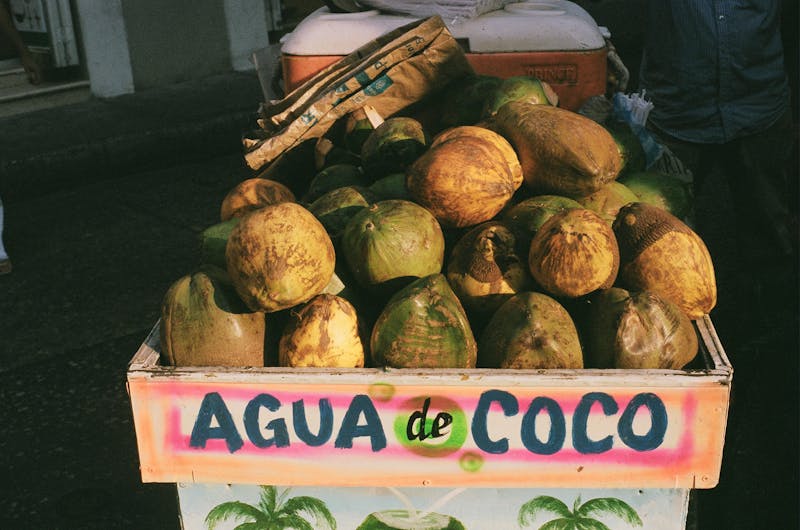
My first apartment in Medellín was in Laureles, and within two blocks there was a D1, an Ara, a tienda de barrio, and a mini-market that opened at 6am. I was confused at first — which one do I use for what? Three years later I've got it down to a system, and it genuinely saves me money every month.
The thing is, Medellín isn't like most cities where there's one obvious answer for grocery shopping. The city has at least four distinct types of stores, each with its own price point, selection, and vibe — and where you live matters a lot. El Poblado shops are not the same as Envigado shops, which are not the same as what you'll find in Laureles or Aranjuez.
This guide breaks it all down by neighborhood, so you can figure out which stores are worth your time and which aisles to skip. It pairs nicely with our broader guide to grocery shopping in Colombia if you're newer to the country and still getting oriented.
How Grocery Shopping Works in Medellín
Before diving into neighborhoods, it helps to know the four tiers of stores you'll encounter here:
Premium chains (Carulla, Jumbo, Éxito Extra) — these have imported goods, a proper deli section, reliable credit card acceptance, and prices roughly 20-30% higher than the discount stores. Good for pantry staples, wine, cheese, and anything you can't find elsewhere.
Mid-range chains (Éxito, Metro) — the Walmart equivalent. Decent produce, solid selection, usually accept card, and prices are reasonable. You'll find these throughout the city.
Hard-discount stores (D1, Ara, Justo & Bueno) — the stars of Colombian budget grocery shopping. Limited SKUs, no-frills packaging, remarkably low prices. D1 in particular has become a fixture in almost every neighborhood. Mostly cash or Nequi, though some now take card.
Plazas de mercado and tiendas — the wet markets and corner stores that form the backbone of Colombian daily life. Produce is freshest and cheapest here, but you need to know what you're looking at.
El Poblado: Where Expats Usually Start (And Overpay)
El Poblado has the most supermarket density of any neighborhood in Medellín, which is convenient but can fool you into thinking you're getting a good deal when you're not.
The Carulla on Avenida El Poblado (near the traffic circle at El Tesoro) is the nicest supermarket in the city. Genuinely good. The imported goods section actually has things like miso paste, proper parmesan, San Pellegrino, and a rotating selection of international snacks. The butcher counter is excellent. But you'll pay for it — a small block of imported cheddar that costs COP 6,000 at D1 might run COP 18,000 here.
The Éxito in El Tesoro mall and the one in Oviedo are solid mid-range options. Good for bulk items, cleaning supplies, and household goods. The prepared foods section at Éxito can save you on nights when you don't feel like cooking — rotisserie chicken for around COP 18,000-22,000 (~$4.50-5.50 USD) is reliable.
My honest take on El Poblado grocery shopping: use Carulla for specialty items and once-a-month imported goods runs. For everything else, take a 15-minute metro ride to Laureles.
Laureles & Estadio: The Best Neighborhood for Grocery Shopping
If I had to pick one part of Medellín with the best grocery setup, it's Laureles. Specifically, the stretch around Estadio metro station and Avenida Laureles.
D1 — Your New Best Friend
There are at least four D1 stores within walking distance of most Laureles addresses. D1 is where I do about 60% of my grocery shopping. Eggs, pasta, rice, beans, oil, cleaning products, yogurt, bread, basic produce — all at prices that are 30-50% cheaper than Carulla. A dozen eggs: around COP 5,500. A kilo of rice: COP 3,500. A liter of cooking oil: COP 9,000. The downside is the selection changes, and sometimes things disappear for weeks at a time. Accept this and move on.
Ara: D1's Slightly Nicer Cousin
Ara stores (Portuguese-owned, expanding fast) have a bit more produce variety than D1 and sometimes carry items D1 doesn't. I find their fruits and vegetables to be slightly fresher. Prices are comparable to D1, occasionally a bit higher. There are two in Laureles that I rotate between.
Éxito Laureles
There's a full Éxito on Carrera 80 that handles everything the discount stores can't. Good pharmacy section, decent wine aisle (better than El Poblado's Éxito, weirdly), and reliable stock of the items D1 perpetually runs out of. Not cheap, but not gouging you either.
The Laureles Sunday farmers market near the Estadio metro exit is also worth knowing about. Fresh herbs, tropical fruits, arepa-making corn, and avocados at prices that embarrass the supermarkets. Usually runs 7am to noon.
Envigado: The Local's Sweet Spot
Envigado has a reputation among Medellín expats for being the neighborhood where you get the Medellín vibe without the El Poblado markup. That applies to grocery shopping too.
The Plaza de Mercado de Envigado on Calle 35 Sur is one of the best fresh markets in the metro area. Two floors of vendors selling produce, meat, fish, dairy, and prepared food. The prices are noticeably lower than any supermarket, and the quality of the produce is excellent. Go before noon for the best selection. A full week's worth of fresh vegetables for COP 25,000-35,000 (~$6-9) is completely normal here.
For packaged goods, Envigado has multiple D1s and Aras, plus a solid Éxito on the main road near the park. The neighborhood also has a Makro just outside the traditional center — Makro is the Colombian equivalent of Costco. Great for bulk buying: 25-kilo bags of rice, commercial quantities of cleaning supplies, restaurant-grade produce. You don't need a membership card. If you're cooking for a large household or hosting frequently, it's worth one trip.
One annoying thing: the Envigado D1s seem to be perpetually out of stock on certain popular items (oat milk, specific pasta brands) compared to the Laureles branches. Minor complaint, but worth noting.
Plaza Minorista: Where Chefs and Serious Shoppers Go
Plaza Minorista José María Villa is Medellín's largest covered market, located in the Barrio Colón neighborhood near the centro. If you've never been, it's worth the visit even just to see the scale of it — hundreds of stalls spread across multiple blocks, selling produce, meat, fish, spices, tropical fruits you won't find in any supermarket, and bulk dry goods.
Practically speaking, Plaza Minorista is where you go when you want the absolute lowest prices on fresh produce. Tomatoes, plantains, yuca, ñame, lulo, maracuyá, guanábana — all priced at what the supermarkets pay, roughly. You're buying direct from distributors and small farmers. The catches: it's a busy, slightly chaotic environment, you're expected to buy in quantity (not individual items), and you need cash. Most stalls don't take card.
The best time to go is Tuesday or Thursday morning, when stock is freshest. Take a taxi from El Centro rather than walking — the surrounding streets can be disorienting the first few times. Budget around COP 50,000-70,000 (~$12-17) for a serious produce haul that would cost twice that at Carulla.
Centro & Other Neighborhoods: Tiendas and Day-to-Day
If you live in Aranjuez, Robledo, Belén, or other non-expat-centric neighborhoods, your grocery shopping will look more like how most Colombians actually shop: a combination of the local tienda de barrio for daily essentials, a nearby D1 or Ara for packaged goods, and the occasional trip to a Éxito or Metro for bigger shops.
The tienda de barrio system is genuinely useful. These tiny corner shops are on every block, open early and late, and carry the basics: eggs, milk, bread, water, coffee, snacks, emergency cleaning supplies. You'll pay a slight premium versus the chains, but the convenience is worth it for fill-in items. Build a relationship with your local tendero — they'll often hold things for you or tell you when something is coming back in stock.
The Centro Comercial El Hueco area near Parque de Berrío is worth knowing about for certain packaged goods in bulk — spices, dried beans, coffee, chocolate — at very low prices. Not a traditional supermarket setup, but useful for specific ingredients.
Grocery Delivery in Medellín
Rappi is the dominant grocery delivery app, and it's genuinely fast in most parts of Medellín. Most Éxito, Carulla, and Ara stores have Rappi integration. Delivery is usually 30-45 minutes. Read our full breakdown of delivery apps in Colombia for more on how Rappi works and what the fees look like.
Merqueo is a Medellín-born grocery delivery service that operates with its own warehouses and usually beats supermarket prices. No minimum order, decent selection, delivery in under an hour in most neighborhoods. I use it for bulkier items that I don't want to carry home.
The Éxito app also does home delivery from their own stores. Useful if you're already an Éxito customer and have a store near you. Quality is consistent since you know exactly what you're ordering from.
Quick Price Reference: What Things Actually Cost
To give you a sense of price variation across store types, here's what you'll pay for common items in Medellín right now:
| Item | D1 / Ara | Éxito / Metro | Carulla |
|---|---|---|---|
| Eggs (12 units) | COP 5,500 | COP 7,200 | COP 8,800 |
| Rice, 1kg | COP 3,500 | COP 4,200 | COP 5,000 |
| Whole milk, 1L | COP 4,200 | COP 4,800 | COP 5,500 |
| Chicken breast, 1kg | COP 14,000 | COP 16,500 | COP 19,000 |
| Tomatoes, 1kg | COP 3,000 | COP 4,500 | COP 5,200 |
| Avocado (each) | COP 1,500 | COP 2,500 | COP 3,500 |
These prices fluctuate seasonally — avocados especially. But the relative gaps between stores stay pretty consistent.
Frequently Asked Questions
❓ What is the cheapest supermarket in Medellín?
D1 is consistently the cheapest for packaged goods like rice, pasta, oil, and cleaning supplies. For fresh produce, Plaza Minorista will beat D1 on price if you're buying in reasonable quantities. Ara is a close second to D1 for packaged goods.
❓ Do Medellín supermarkets accept credit cards?
Carulla and Éxito reliably accept major credit and debit cards. D1 and Justo & Bueno are primarily cash or Nequi. Ara has been rolling out card acceptance in more locations but it's still inconsistent. Plaza Minorista is cash only. Always carry some cash.
❓ Is it safe to go to Plaza Minorista?
Yes, during daylight hours. Go in the morning (7am-noon) for the best experience. The market itself is well-organized and busy — lots of vendors and shoppers. The surrounding streets require normal urban awareness: keep your phone in your bag, don't flash valuables. It's the same common sense you'd apply anywhere in Centro.
❓ Can I find international/imported foods in Medellín?
Yes, more than you'd expect. Carulla has the best imported section — Italian pasta, European cheeses, various Asian condiments, and a decent wine selection. The Santa Elena neighborhood has a small international grocery that stocks items Carulla doesn't. There are also Asian grocery stores in the Centro area (around Calle 10) if you're looking for specific Southeast Asian ingredients.
❓ Where do expats in El Poblado get fresh produce?
The Saturday farmers market near Parque El Poblado is the best local option. It runs 8am-1pm and has excellent quality. Otherwise, the Éxito in El Tesoro has a decent produce section. For serious shopping, take a Metro or Uber to Laureles or Plaza Minorista — the Poblado produce premium is real.
🇨🇴 Have Questions About Living in Medellín?
Ask the Colombia Move community — expats, locals, and long-term residents who know the city inside out.
Ask the Community →Have a favorite store I missed, or a neighborhood-specific tip? Drop it in the comments — this guide gets better with local knowledge.
🇨🇴
Join Colombia Move — free bilingual marketplace
Jobs, services, housing, classifieds. Free to post, no commissions, no middlemen.
Sign up free



Comments
Loading comments...