
Rappi, iFood & Delivery Apps in Colombia: How They Work
Rappi will change how you live in Colombia — groceries, food, and pharmacy delivered in 30 minutes. Here's how every delivery app works, what to pay, and whether tipping is expected.

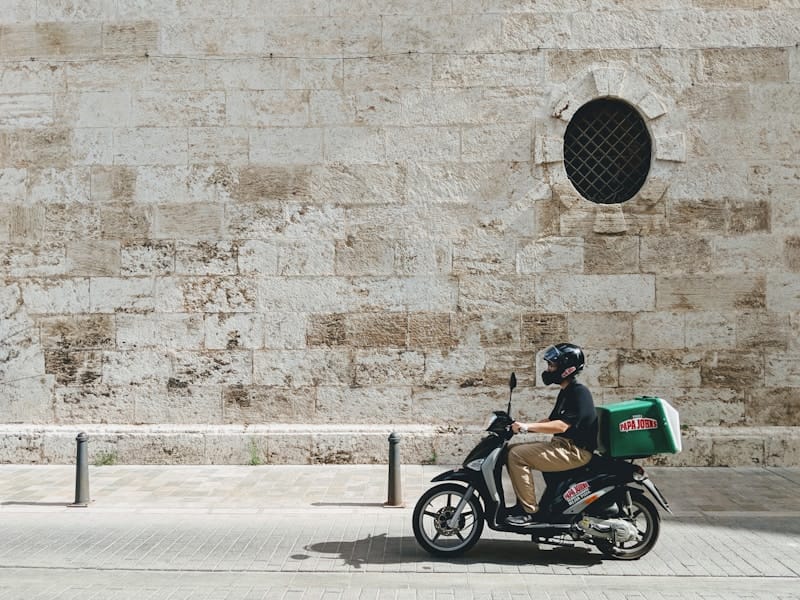
Three weeks after moving to Bogotá, I discovered I could get cold medicine, a bag of rice, sushi, and toilet paper delivered to my apartment in under 40 minutes — without putting on pants. That was my Rappi moment. If you haven't had yours yet, this guide is about to change how you live in Colombia.
Delivery culture here is genuinely impressive. Most major Colombian cities have logistics infrastructure that would make Amazon jealous. The average Rappi delivery in Medellín or Bogotá takes 25–40 minutes. Drivers are everywhere. And the app ecosystem — while a bit overwhelming at first — is more powerful than most expats realize when they arrive.
The tricky part is knowing which apps to use for what, how to pay (it's not always obvious), whether tipping is expected, and how to avoid common frustrations like wrong orders or inflated grocery prices. This guide covers all of it.
Which Delivery Apps Are Available in Colombia
Colombia's delivery landscape is dominated by three main players:
- Rappi — the undisputed king. Colombian-born super app covering food, groceries, alcohol, pharmacy, and even cash withdrawals.
- iFood — the Brazilian giant aggressively expanding into Colombia. Purely food-focused, with competitive pricing.
- Domicilios.com — the original Colombian delivery platform, now owned by Delivery Hero. Solid for restaurants not on the bigger apps.
There are also niche players: PedidosYa operates in some cities, and certain chains have their own apps (Crepes & Waffles, Hamburguesas del Cielo). But for daily life, you really only need Rappi — and maybe Domicilios as a fallback.
Rappi: Colombia's Super App
Rappi was founded in Bogotá in 2015 and is now Latin America's dominant delivery super app. It's not just food delivery — think of it as Uber Eats + Instacart + DoorDash combined, with a few extra features that genuinely surprise you.
Food Delivery
Virtually every restaurant in any major Colombian city is on Rappi — from a $7,000 COP bandeja paisa spot in Laureles to a sushi restaurant in Zona G charging $80,000 for omakase. Search by cuisine, neighborhood, or delivery time. One thing that surprised me: many Colombian restaurants only take orders through Rappi, not phone. If you call asking for delivery, they'll just tell you to use the app.
Delivery fees typically run $3,000–$8,000 COP ($0.70–$2 USD). Rappi Prime — currently around $15,900 COP/month — gives you free delivery on most orders plus discounts. If you're ordering more than three or four times a week, it pays for itself within a few days.
Rappi Súper: Groceries Delivered
The grocery feature is where Rappi gets impressive. You can order from Rappi Súper (Rappi's own dark store) or from partner supermarkets — Éxito, Jumbo, Carulla, D1. Prices at Rappi Súper are slightly higher than in-store, but for basics like eggs, bread, fruit, and cleaning supplies, the convenience is worth it. Delivery is usually 25–40 minutes.
One honest frustration: inventory accuracy isn't perfect. You'll occasionally order something shown as available and receive a substitution instead. Not a dealbreaker, but worth knowing going in.
Rappi Farma: Pharmacy at Your Door
This might be the feature most foreigners don't know about until they really need it. Rappi Farma lets you order over-the-counter and prescription medications delivered in 30–60 minutes. If you're sick at 11pm and need paracetamol, antihistamines, or electrolytes, Rappi Farma is the answer. For prescriptions, you technically need a valid Colombian prescription — enforcement varies by medication.
Rappi Favor: Your Personal Errand Runner
The most underrated Rappi feature. Rappi Favor sends a courier to pick up anything from any location and deliver it to you. I've used it to retrieve documents from an office across town, pick up a phone charger from a friend's apartment, and grab lunch from a restaurant that mysteriously wasn't on the app. It costs a bit more than regular delivery but it's incredibly useful.
iFood: The Challenger Worth Knowing
iFood arrived from Brazil and has been growing fast, particularly in Bogotá and Medellín. It's purely food delivery — no groceries, no pharmacy — but the restaurant selection is increasingly competitive with Rappi.
Honestly, iFood often has better deals for pure restaurant delivery. They run frequent promotions for first-time users and weekend discounts that Rappi doesn't match. The app itself is cleaner and slightly faster to navigate.
The real downside is coverage. Outside Bogotá and Medellín, iFood gets thin fast. In cities like Manizales or Pereira, you might open it and find a handful of options. Rappi dominates geographically. My honest recommendation: install both and compare prices for major cities. Check iFood first if you're watching your budget, fall back to Rappi for selection or if you're outside the two main metros.
Domicilios.com: The Underrated Local Option
Domicilios.com has been around longer than Rappi and has a loyal base among Colombians. The interface looks dated compared to Rappi's slick design, but it carries many local restaurants that haven't bothered listing on bigger platforms — especially in mid-sized cities.
For Bogotá and Medellín, Domicilios is less essential if you're already on Rappi and iFood. But if you're spending time in Cali, Barranquilla, or somewhere like Ibagué or Santa Marta, it's worth a download. I've found gems there — family-run spots that have never heard of Rappi — that became regulars.
How to Pay for Deliveries in Colombia
Payment is where foreigners sometimes hit a wall. Here's what actually works:
- Foreign credit/debit cards: Usually work on Rappi and iFood, though some international banks block transactions by default. Visa and Mastercard work better than Amex. If you get declined, check your bank app to enable international online purchases.
- Nequi / Daviplata: These Colombian digital wallets work seamlessly with all delivery apps. If your foreign card keeps failing, loading Nequi and paying through that solves the problem instantly — no friction at all.
- Cash on delivery (efectivo): All three apps support cash. Select "efectivo" at checkout and have the right amount ready.
- RappiPay: Rappi's built-in wallet. You can load it from a Colombian bank account or card, and it works for all purchases within the app — including Rappi Prime subscription.
If you haven't sorted your Colombian banking yet, I'd highly recommend setting up Nequi before you start ordering regularly. It removes almost all the payment friction and works across every app.
Tipping Culture on Delivery Apps
Colombia's tipping culture on delivery apps is genuinely different from North American or European expectations — there's no standard 15–20% rule here.
Delivery apps show a tip screen after you place your order. Common amounts are $1,000, $2,000, or $3,000 COP ($0.25–$0.75 USD). Most Colombians tip in that range, if at all. Some don't tip at all — it's not considered rude.
That said, I'd encourage you to err on the higher end. Rappi drivers navigate heavy traffic on motos in Colombian rain, often working split shifts to maximize their earnings. A $3,000 COP tip adds up to nothing from your perspective but is genuinely meaningful to them. I've defaulted to $3,000 COP on every order for two years and have no regrets.
Tips That'll Save You Money and Frustration
A few things I wish I'd known in my first few months:
- Rappi Prime pays off fast. At roughly $15,900 COP/month, you break even after three or four orders with free delivery. If you're ordering weekly, it's a no-brainer.
- Avoid the 12–1:30pm rush. Every lunch spot in Colombia slams at midday. Delivery times can double during the peak almuerzo window. Order before 11:30am or wait until 2pm for faster turnaround.
- Use "Recoger" (pick up) to skip delivery fees. If you're close to a restaurant, select the pick-up option on Rappi and save $5,000–$8,000 COP instantly.
- Compare prices across apps. The same restaurant can charge $2,000–$5,000 COP more on Rappi than on iFood on a given day. Worth a 30-second check.
- Watch for minimum order traps. Most restaurants require a $15,000–$25,000 COP minimum. Ordering just below that threshold will throw an error and waste your time.
One more thing: Rappi's customer service for wrong or missing orders is actually pretty good. Use the in-app chat, take a photo of the issue, and you'll typically get a credit or refund within a few minutes. Don't just accept a bad order and move on.
Frequently Asked Questions
❓ Can foreigners use Rappi without a Colombian phone number?
Yes — you can register with an international phone number. Some features like RappiPay may later require a Colombian number, but for basic food and grocery ordering, an international number works fine from day one.
❓ Does Rappi work outside major Colombian cities?
Rappi operates in Bogotá, Medellín, Cali, Barranquilla, Cartagena, Bucaramanga, Manizales, and several other cities. In smaller towns and rural areas, coverage is limited or nonexistent. For mid-sized cities, Domicilios.com often has better local restaurant coverage.
❓ What's Rappi Prime and is it worth it?
Rappi Prime is a monthly subscription (~$15,900 COP/month) giving you free delivery on most orders and access to exclusive discounts. If you're ordering more than three or four times per week, it pays for itself quickly. I've used it for over a year and wouldn't go without it.
❓ What should I do if my foreign card keeps getting declined on Rappi?
First, check your bank's app to ensure international online purchases are enabled — some banks block them by default. If it still fails, load Nequi and pay through that. It's the most friction-free option for foreigners and works instantly once you have the app set up.
❓ Is tipping expected on Colombian delivery apps?
Tipping isn't mandatory, but $1,000–$3,000 COP is common and goes a long way. Colombian delivery drivers work hard and earn modest base rates. At less than $1 USD, it's an easy way to be a decent customer.
Ready to Order?
If a Rappi delivery has already saved you on a rainy Bogotá afternoon, you know exactly what I mean. Drop a comment below — which restaurant would you recommend to a new expat for their very first app order? And if you're still sorting out digital payments in Colombia, don't skip the Nequi and Daviplata guide before you place your next order.
One last thing: if you're finding your way around Colombia more broadly, the full apps guide has 25 tools worth knowing — beyond just delivery.
🇨🇴
Get the next Colombia guide in your inbox
Join 10,000+ expats and future expats. No spam, just useful guides.



Comments
Loading comments...