
Raising Kids in Colombia: Childcare, Schools & Family Life
Nanny costs, school options, family-friendly neighborhoods, and cultural differences in parenting in Colombia.

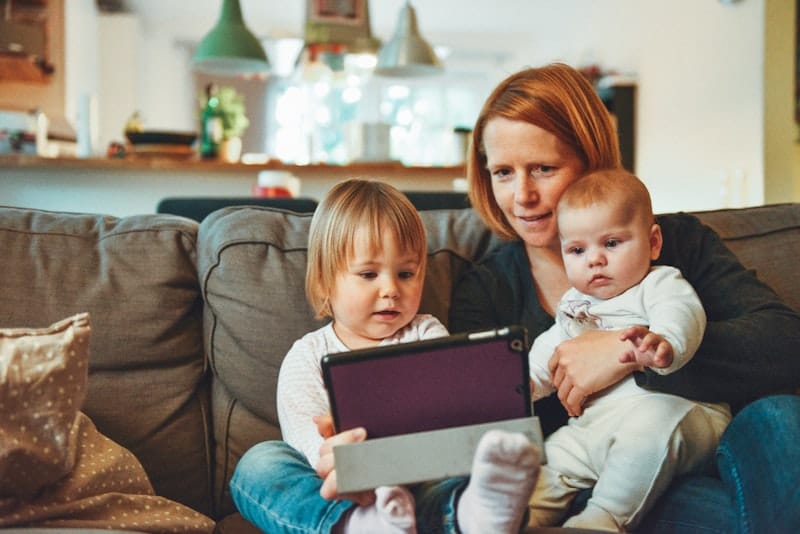
Moving to Colombia with kids is a completely different experience than coming as a single digital nomad. Colombia is a genuinely great place to raise kids, with some caveats you should know about.
Hiring a Nanny (Ninera) in Colombia
One of the biggest perks of raising kids in Colombia is the affordability of childcare. Full-time nannies are common here -- not just for wealthy families, but for regular middle-class Colombian households too.
Nanny Costs (2026)
- Full-time live-out: 1.2-1.8M COP/month
- Full-time live-in: 800K-1.5M COP/month plus room/board
- Part-time: 10-20K COP/hour
Legal minimum wage applies. Cover ARL and social security.
Finding a good ninera usually happens through word of mouth. Ask Colombian neighbors, other expat parents, or check local Facebook groups.
Important: if you hire a nanny for more than 2 days per week, Colombian labor law considers them a formal employee. You must pay social security contributions.
Daycare and Preschool (Jardines Infantiles)
Public ICBF programs: The ICBF runs subsidized childcare centers. Free or very cheap but quality varies.
Private jardines: Range from 300K-600K COP/month basic daycares to 1-3M COP/month bilingual Montessori programs.
Schools: International, Bilingual, and Local
International Schools
Schools like Colegio Nueva Granada (Bogota), Columbus School (Medellin) follow US or IB curricula. Tuition runs 25-60M COP/year. Check our complete guide to international schools for details.
Bilingual Schools
Cheaper than international schools (8-25M COP/year) and often provide better cultural immersion. Your kids will actually learn Spanish here.
Local Colombian Schools
Public schools are free but underfunded. Quality private schools cost 3-10M COP/year. If your kids are under 7, they pick up Spanish fast through immersion.
My honest take: unless your kids are teenagers, consider a bilingual school over a full international school. The international school bubble can be isolating.
Family-Friendly Neighborhoods by City
Medellin
El Poblado remains the default for expat families. But Envigado and Laureles offer better value with equally good family infrastructure. The best cities guide covers each area.
Bogota
Usaquen, Rosales, and Chico are where most expat families settle. Best international schools, pediatric clinics, and parks.
Other Cities
Santa Marta and Pereira are gaining popularity. Cartagena has schools but gets brutally hot.
Safety Considerations for Families
- Stick to estrato 4-6 neighborhoods
- Most expat kids walk to school or take buses without issues
- Teach kids basic Spanish safety phrases early
- Get local SIM cards for older kids -- data plans are cheap
Read the full Colombia safety guide for more detail.
Cultural Differences in Parenting
- Kids are everywhere: Restaurants, malls, family gatherings at 11pm
- Physical affection: Strangers may touch your baby -- meant with love
- Extended family: Grandparents and aunts play a much bigger role
- Less structured play: More free play, fewer organized activities
- Academic pressure: High expectations, homework starts young
Healthcare for Kids
Pediatric care in Colombian cities is excellent. Most private clinics have pediatric emergency departments.
For international health coverage, SafetyWing offers family-friendly plans worth looking into.
The Cost Picture
Adding kids to your Colombia cost of living increases expenses, but it is still remarkably affordable:
Monthly Family Budget Add-ons
- Full-time nanny: 1.2-1.8M COP
- Bilingual school: 800K-2M COP
- International school: 2-5M COP
- Kids activities: 150-400K COP
- Pediatrician: 80-150K COP per visit
- Extra groceries/diapers: 300-600K COP
Frequently Asked Questions
❓ What age do kids start school?
Kindergarten starts at 5-6. Preschool from age 2-3. International schools accept from pre-K (age 3-4).
❓ Can my kids get Colombian healthcare?
Yes. Children can be enrolled in EPS as beneficiaries. Prepagada plans cover dependents. Emergency care cannot be refused.
❓ How long do kids take to learn Spanish?
Under 7: conversational in 3-6 months. Older kids: 6-12 months. Teenagers struggle most but get there within a year.
❓ Is homeschooling legal?
Yes. Register with the local Secretaria de Educacion and take periodic validating exams.
❓ What about extracurricular activities?
Swimming, soccer, music, art, martial arts -- most activities run 100-300K COP/month.
Raising kids in Colombia is not without challenges, but the quality of life, affordability, and family-first culture make it compelling. Share your experience in the comments or on the community forum.
🇨🇴
Get the next Colombia guide in your inbox
Join 10,000+ expats and future expats. No spam, just useful guides.

Comments
Loading comments...