
Medellín Metro & Transport Guide: How to Get Around Like a Local
The complete guide to Medellín’s Metro, Metrocable, trams, buses, and ride-hailing apps. How to pay, what it costs, and the tips locals know.

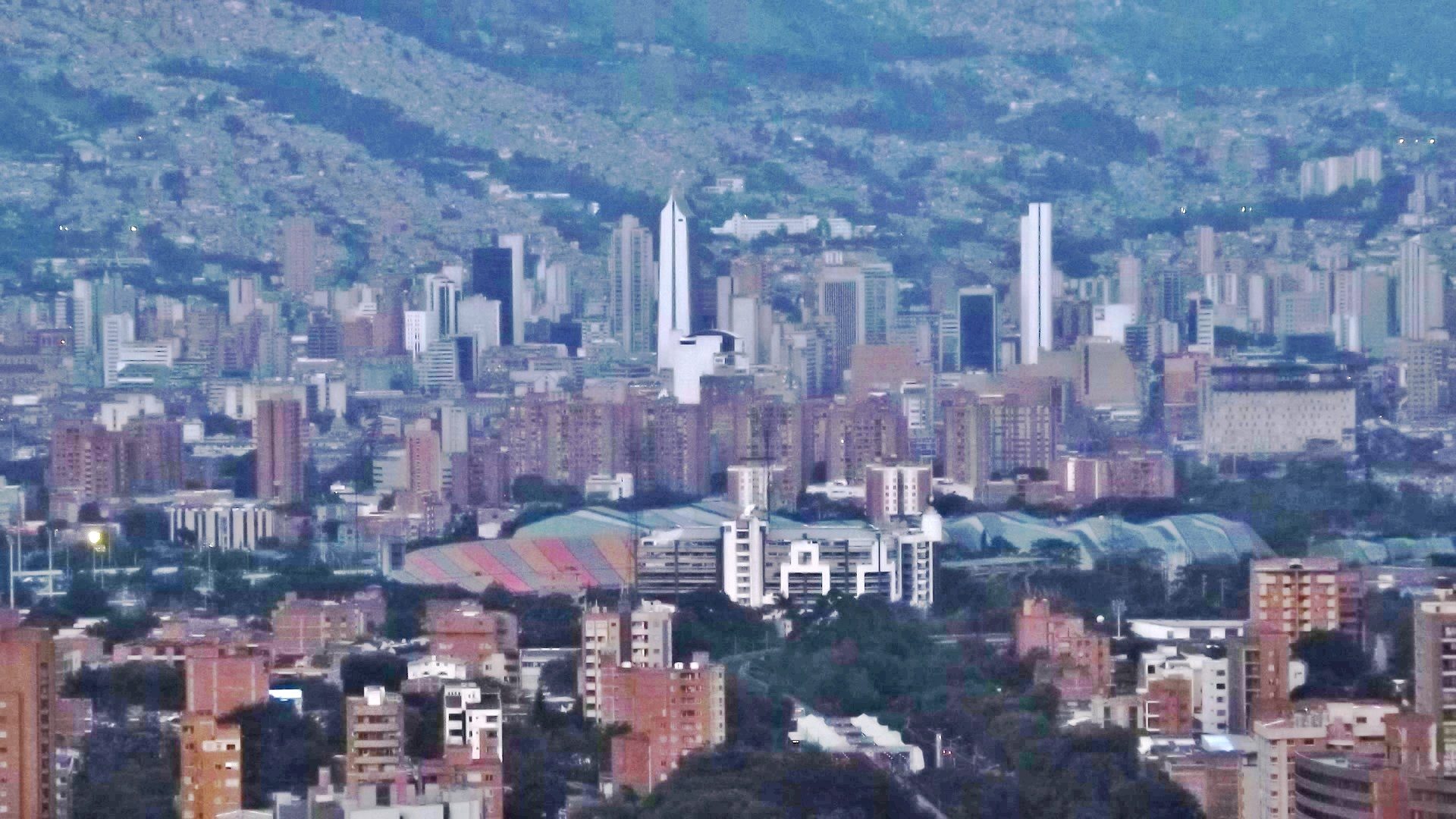
Medellín has the best public transportation system in Colombia — and arguably in all of Latin America. The Metro system is the city’s pride: clean, safe, efficient, and absurdly cheap. Combined with cable cars, trams, buses, and ride-hailing apps, you can get anywhere in the city without owning a car.
Here’s the complete guide to getting around Medellín as a foreigner.
The Medellín Metro: The Backbone of the City
Medellín’s Metro opened in 1995 and remains the only heavy rail metro system in Colombia. It’s the single most useful transportation tool you’ll use here.
The Two Main Lines
- Line A (north–south) — runs through the Aburrá Valley from Niquía in the north to La Estrella in the south. This is the main line. Key stops: Parque Berrío (city center), Poblado (expat hub), Envigado, Itagüí.
- Line B (east–west) — branches off Line A at San Antonio station. Goes west to San Javier. Useful for reaching Laureles area (get off at Estadio or Floresta).
How to Pay
- Cívica card — the rechargeable transit card. Buy one at any Metro station for about COP 5,000. Recharge at stations or Grupo Éxito stores. This is what you want for daily use.
- Single ride ticket — available at station booths. Works fine for tourists but the Cívica card is cheaper per ride.
- Cost — a single Metro ride costs approximately COP 2,950 (~$0.70) regardless of distance. One of the cheapest metro systems in the world.
Tips for Riding the Metro
- Rush hour — 7–8:30am and 5–7pm are packed. The Metro still runs on time, but you’ll be standing shoulder-to-shoulder.
- Women-only cars — during rush hours, the first car is sometimes reserved for women. Look for signage.
- No eating or drinking — this is enforced. Colombians take Metro cleanliness seriously. You’ll get looks (or fined) for eating on the train.
- Keep your phone in your pocket — phone snatching happens at station entrances. No dar papaya.
- Hours — Monday to Saturday 4:30am–11pm. Sundays and holidays 5am–10pm.
Metrocable: Cable Cars Over the Mountains
Medellín’s cable cars are integrated into the Metro system — same Cívica card, same price. They were built to connect hillside communities to the Metro and are now a tourist attraction in their own right.
- Line K — from Acevedo station to Santo Domingo. Gives you aerial views of the entire valley. Get off at Santo Domingo to visit Parque Arví (transfer to Line L).
- Line L — from Santo Domingo to Parque Arví. The nature reserve above the city. Great for hiking and escaping the urban heat.
- Line J — from San Javier station uphill. Less touristy, connects to Comuna 13.
- Line H — connects to the eastern hillside communities.
- Line M — newest cable car line, extends coverage further.
Pro tip: ride Line K to Santo Domingo at sunset. The views are stunning and it costs the same COP 2,950 as a regular Metro ride.
Tranvía (Tram / Streetcar)
The Tranvía de Ayacucho runs east from San Antonio station through Buenos Aires neighborhood. Same Cívica card, same price. It connects to two additional cable car lines (H and M) that go up into the eastern hills.
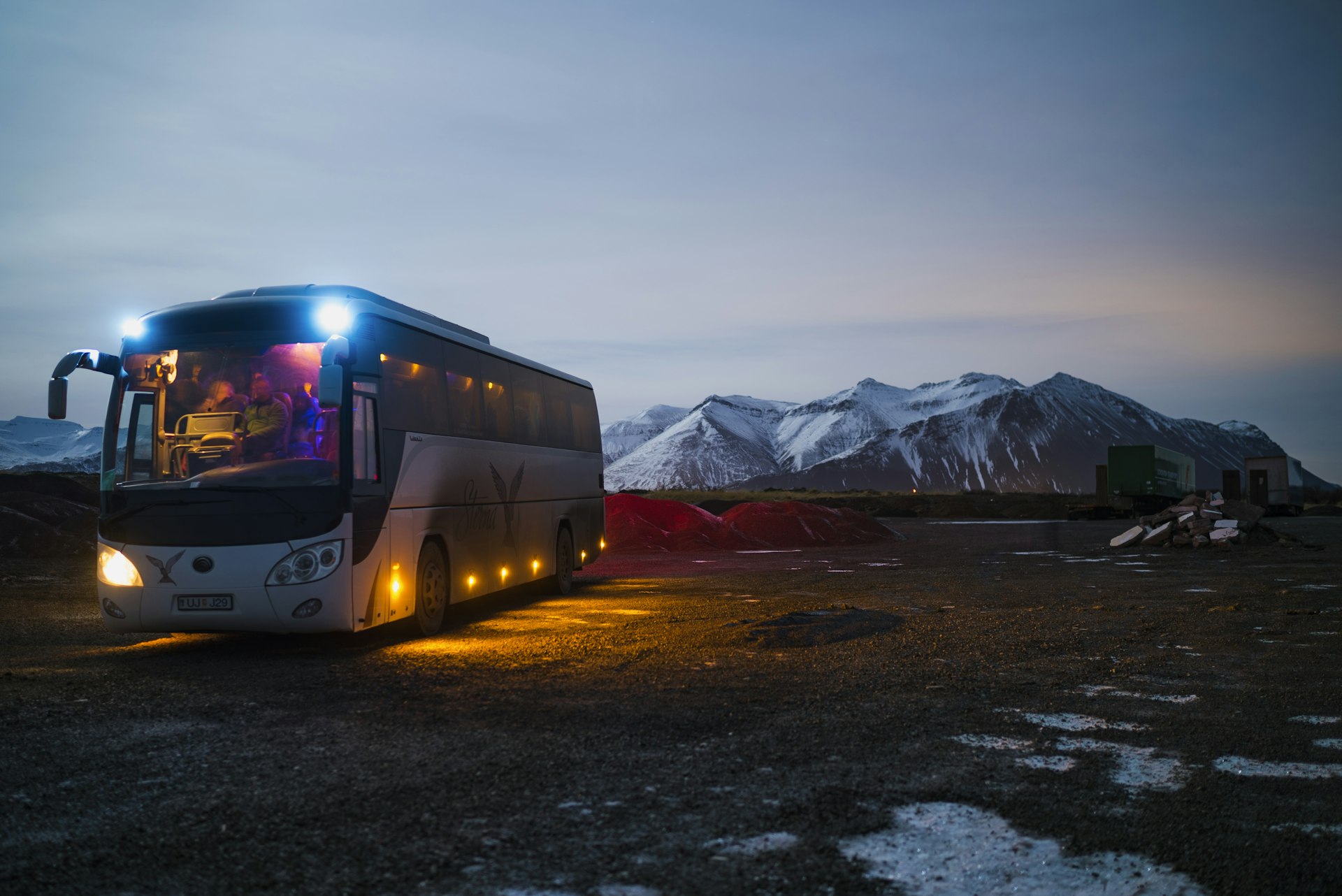
Buses: Cheap But Chaotic
Medellín has an extensive bus network that goes everywhere the Metro doesn’t. Here’s what you need to know:
- Cost — COP 2,500–3,000 per ride. Pay in cash to the driver when you board.
- No fixed stops — wave the bus down from the side of the road. To get off, press the button or yell “¡Parada!”
- Routes — buses display their route on the front windshield. Ask a local or use Google Maps to find which bus you need.
- Google Maps integration — Google Maps shows bus routes and times in Medellín. Not always 100% accurate, but useful.
- Safety — keep your belongings close. Avoid empty buses late at night. During daytime, buses are generally safe.
Uber, InDrive & Ride-Hailing Apps
This is how most expats get around day-to-day, especially at night or when the Metro isn’t convenient:
- Uber — technically operates in a legal gray area in Colombia, but it’s widely used. Drivers may ask you to sit in the front seat to avoid looking like a rideshare. Prices are reasonable: most trips within the city cost COP 8,000–20,000 ($2–5).
- InDrive — you set your price and drivers accept or counter. Often cheaper than Uber for longer rides. Very popular in Colombia.
- DiDi — another option, similar to Uber. Sometimes has better prices.
- Regular taxis — yellow taxis are everywhere. Make sure the meter is running (or agree on a price first). Use the “Taxi Ya” app to order one safely.
Download all of these before you arrive. See our full list of essential apps for Colombia.
Getting to the Airport (José María Córdova)
Medellín’s international airport is in Rionegro, about 45–75 minutes from the city center depending on traffic:
- Uber/InDrive — COP 60,000–90,000 ($15–22). The most convenient option.
- Colectivo (shared van) — from the San Diego mall area, COP 15,000–18,000 per person. Slower but much cheaper.
- Private transfer — book through your hotel or Airbnb. COP 100,000–150,000 but reliable for early flights.
- Rental car — if you’re road-tripping from the airport, rent through Localiza at the airport location.
Transport Between Cities
For getting around Colombia beyond Medellín:
- Domestic flights — Viva Air (now part of Avianca), LATAM, and Avianca. Medellín to Bogotá flights are COP 100,000–300,000 ($25–75) if booked ahead.
- Long-distance buses — comfortable and cheap. Companies like Flota Occidental, Expreso Bolivariano, and Rapido Ochoa run between major cities. Medellín to Bogotá is about 8 hours / COP 60,000–100,000.
- Rental car — best for road trips to Guatapé, the Coffee Triangle, and the coast. See our car rental guide with Localiza.
For help deciding where to go, check our best cities to live in Colombia.
How Much Does Transportation Cost Per Month?
| Transport Type | Cost Per Trip | Monthly Estimate |
|---|---|---|
| Metro / Metrocable / Tranvía | COP 2,950 (~$0.70) | COP 120,000–180,000 ($29–$43) |
| Buses | COP 2,500–3,000 | COP 100,000–150,000 ($24–$36) |
| Uber / InDrive | COP 8,000–20,000 | COP 200,000–400,000 ($48–$97) |
| Taxis | COP 8,000–25,000 | COP 250,000–500,000 ($60–$121) |
Most expats spend COP 150,000–300,000/month ($36–$72) on transportation using a mix of Metro and ride-hailing. That’s part of why the cost of living in Medellín is so affordable.
New to Medellín?
Check out our complete guide to the best neighborhoods for expats — so you know where to live near the Metro lines that matter.
Best Neighborhoods Guide →❓ Frequently Asked Questions
How much does the Medellín Metro cost?
A single ride costs approximately COP 2,950 (~$0.70 USD) regardless of distance. The same price covers the Metrocable, Tranvía, and integrated bus routes when using a Cívica card.
Is the Medellín Metro safe?
Yes, the Metro is one of the safest forms of transportation in Medellín. It’s clean, well-lit, and patrolled. Keep your phone in your pocket at station entrances and be aware of your surroundings during rush hour, but the system itself is very safe.
Can I use Uber in Medellín?
Yes. Uber operates widely in Medellín despite its complicated legal status. Drivers may ask you to sit in the front seat. InDrive and DiDi are also popular alternatives, and regular taxis are plentiful.
How do I get from the airport to Medellín?
The cheapest option is a colectivo (shared van) from the San Diego area for COP 15,000–18,000. Uber/InDrive costs COP 60,000–90,000 and takes 45–75 minutes depending on traffic. Private transfers run COP 100,000–150,000.
Where do I buy a Cívica card?
At any Metro station ticket booth. The card costs about COP 5,000 and you can recharge it at stations, Grupo Éxito supermarkets, and some convenience stores. One card works across Metro, Metrocable, Tranvía, and integrated bus routes.
🇨🇴
Get the next Colombia guide in your inbox
Join 10,000+ expats and future expats. No spam, just useful guides.



Comments
Loading comments...