
LGBTQ+ Life in Colombia: The Complete Expat Guide
Colombia has one of the strongest LGBTQ+ legal frameworks in Latin America. Here's what expat life actually looks like — city by city, from rights to nightlife to healthcare.
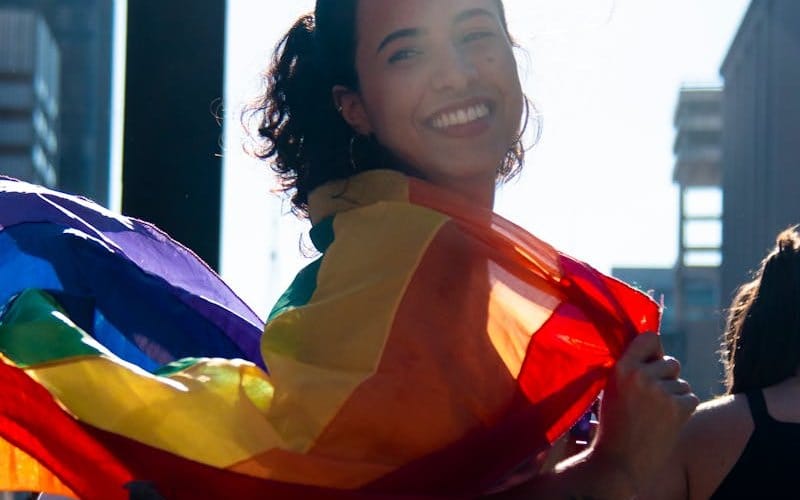
Colombia ranks among the top three most LGBTQ-friendly countries in Latin America. Same-sex marriage has been legal since 2016, adoption rights since 2015, and the constitutional court recognized non-binary gender markers in 2022. The legal framework scores 92 out of 100 on the Equaldex equality index — higher than most of Europe.
But laws on paper and life on the ground are two different things. This guide covers what LGBTQ+ expat life actually looks like in Colombia — the good, the honest, and the practical.
Legal Rights: What's Protected
Colombia's LGBTQ+ legal protections are among the strongest in the Americas:
Same-sex marriage — Legal since April 2016. In 2022, over 1,500 same-sex couples married in Colombia. A judge in Cartagena who refused to marry a same-sex couple was dismissed and disqualified for 15 years in 2025.
Adoption — Full equal adoption rights since November 2015.
Anti-discrimination — Employment protections based on sexual orientation (since 2011) and gender identity (since 2018). Hate crime protections exist for sexual orientation.
Gender identity — Since 2015, trans individuals can change their legal gender marker on all ID documents without surgery or psychiatric evaluation. In 2022, non-binary recognition was added, allowing "no binario" or "NB" on birth certificates and national IDs.
Military service — Open service since 1980. Colombia decriminalized homosexuality in 1980, decades before many Western countries.
Notable gaps: conversion therapy is not yet banned, and hate crime protections do not explicitly cover gender identity.
Safety: City by City
The most important factor in LGBTQ+ safety in Colombia is the urban-rural divide. Major cities are generally welcoming. Rural areas, especially conflict zones, can be dangerous. Here's the city-by-city breakdown:
Bogota — Most LGBTQ-Friendly
The most progressive city in Colombia. Chapinero (nicknamed "Chapigay") is the heart of the LGBTQ+ community with over 100 queer establishments. In 2019, Claudia Lopez became Bogota's first openly gay mayor. The city hosts one of the largest Pride parades in Latin America, drawing over 100,000 people annually.
Medellin — Rapidly Growing Scene
Medellin has become one of the most tolerant cities in the country. The El Poblado and Parque Lleras area is the hub, well-policed and tourism-focused. A growing LGBTQ+ expat community makes it easy to find your people. Rainbow flags are common in the Lleras area.
Cartagena — Friendly but Coastal Conservative
Popular with LGBTQ+ tourists. The Walled City, Getsemani, and Bocagrande are welcoming. However, coastal culture tends to carry stronger machismo attitudes than interior cities. The bohemian Getsemani neighborhood has a growing queer presence.
Cali — Growing but More Conservative
Cali has a growing scene but is generally more conservative than Bogota or Medellin. Less developed LGBTQ+ infrastructure for expats, though the salsa culture creates an open, social atmosphere.
Rural Areas — Exercise Caution
Rural areas, particularly conflict zones, are significantly more dangerous for LGBTQ+ individuals. Armed groups have targeted queer people with threats, torture, and violence. Avoid remote areas of Choco, Arauca, Norte de Santander, and border regions. Indigenous and Afro-Colombian LGBTQ+ individuals in rural areas face disproportionate marginalization.
Social Scene and Nightlife
Bogota
Theatron is the largest LGBTQ+ nightclub in Latin America — 13 rooms across 5 floors, capacity of 5,000, with 18+ dance floors playing everything from reggaeton to techno. Entry is around 50,000 COP (~$15). Open Thursday through Saturday. It's an experience every visitor should have at least once. Other popular spots include El Mozo Club (rooftop parties), Leo's Bar Mistica (drag shows), and PK2.
Medellin
The Parque Lleras area is where it all happens. Donde Aquellos has been a Lleras institution since 2000 and is the most inclusive bar in the area. Industry Club draws both locals and tourists with two dance floors and electronic music. Zero by Purple Club is smaller and plays more Latino pop. For a different vibe, Javi's Cantina offers salsa and Cuban rumba in La Candelaria.
Cartagena
The City Club is the main gay club with two dance areas. Le Petit, near the Clock Tower, has three areas including local Champeta music. The scene is smaller but vibrant, especially on weekends.
Pride Events
Bogota Pride (late June or early July) is one of the largest in Latin America with over 100,000 participants. The parade route goes along Carrera Septima to Parque Simon Bolivar with floats, drag shows, and concerts. Medellin Pride (late June) features international DJs and after-parties. Cartagena also hosts Pride events with community gatherings and pop-up nights.
Dating Apps
Grindr and Hornet are the most popular apps for gay men. Tinder is widely used for all orientations. Colombians generally use Grindr more for casual connections and Tinder more for relationships — similar to patterns elsewhere.
Healthcare
HIV testing — The AIDS Healthcare Foundation (AHF) operates offices in Bogota, Cucuta, Bucaramanga, Cartagena, and other cities offering free rapid testing, condoms, and counseling. Red Somos in Bogota offers free or low-cost STI testing.
PrEP — Available through the Colombian health system, including a TelePrep telemedicine model. Access is improving but may require persistence navigating the system. About half of HIV-care providers currently offer PrEP.
Trans healthcare — Hormone therapy is available in Colombia and can be prescribed alongside PrEP. However, trans individuals — especially trans women — report barriers including stigma, provider discrimination, and lack of trans-specific knowledge among healthcare professionals. Fundacion GAAT and Red Comunitaria Trans advocate for better access.
Colombia's EPS public health system provides broad coverage for all residents. Many medications are available at low cost. Private health insurance (prepagada) offers faster access to specialists. Expats affiliated to the health system can access sexual health services through standard channels.
Visas for Same-Sex Partners
Colombia fully recognizes same-sex marriages and civil unions for immigration purposes. A foreign same-sex spouse can apply for a Visa Tipo M (marriage/partner visa) with the same requirements as opposite-sex couples. Same-sex couples married abroad are entitled to equal visa, healthcare, inheritance, and pension rights.
Required documents: apostilled marriage certificate translated to Spanish, valid passports, and standard visa application materials submitted through the Cancilleria.
Social Acceptance: The Real Picture
The numbers paint an encouraging picture. A 2024 Ipsos survey found 65% of Colombians approve of same-sex marriage and 57% support people being open about their orientation. However, only 25% support public displays of affection between same-sex couples — a notable gap that tells you about the "live and let live" culture.
There's a meaningful generational divide. Younger Colombians in urban areas tend to be significantly more accepting. Older generations and those in rural or coastal areas hold more conservative views shaped by Catholic tradition and machismo culture. Most Colombians adopt a "don't ask, don't tell" approach — they may not be enthusiastic allies, but they won't be hostile either.
In practice, LGBTQ+ expats in Medellin and Bogota report living comfortably and openly, especially in neighborhoods like Chapinero and El Poblado. Public displays of affection may draw stares outside explicitly LGBTQ+ spaces but rarely provoke confrontation in urban areas.
How Colombia Compares
In Latin America, Uruguay and Argentina are generally considered the most LGBTQ-friendly, with Colombia close behind at third or fourth. Colombia has the strongest legal framework in the Andean region and scores higher than Brazil, Chile, and Costa Rica on legal protections. It's notably more progressive than Peru, Bolivia, Paraguay, and Venezuela.
Globally, Colombia ranks 24th with an overall score of 71/100 on Equaldex — legal protections score 92/100, while public opinion scores 50/100. That gap between strong laws and moderate social acceptance is the defining characteristic of LGBTQ+ life in Colombia.
Community Resources
Colombia Diversa (colombiadiversa.org) — The leading LGBTQ+ rights organization since 2004. Legal advocacy, policy work, and violence monitoring. Based in Bogota.
Caribe Afirmativo — Focuses on Caribbean coast LGBTQ+ rights. Runs safe spaces ("Casas Afirmativas") in Cartagena and Medellin providing legal help, health system registration, and support groups.
Red Somos — Bogota-based. Operates mobile clinics offering free healthcare, STI testing, and mental health referrals for LGBTQ+ communities.
Bogota LGBTQ Community Center — Located in Chapinero. The only LGBTQ+ community center in the country, offering counseling and legal advice.
Expat groups — Search Facebook for "LGBT Expats Medellin" and "Gay Bogota Expats" for active English-speaking communities. Meetup groups also exist in both cities.
The Bottom Line
Colombia offers one of the most progressive legal environments for LGBTQ+ people in Latin America, with a social reality that's catching up. In Bogota and Medellin, you can live openly and comfortably. The nightlife scene — especially Theatron in Bogota — rivals anywhere in the world. Healthcare is accessible and affordable. Same-sex partners have full visa and legal rights.
The gap between law and lived experience is real but shrinking. Urban Colombia in 2026 is a welcoming place, and the trajectory is clearly positive. If you're an LGBTQ+ expat considering Colombia, the combination of legal protections, affordable cost of living, vibrant culture, and growing acceptance makes it one of the strongest options in the region.
Have questions about LGBTQ+ life in Colombia? Ask in our community Q&A or connect with other expats on the platform.
🇨🇴
Get the next Colombia guide in your inbox
Join 10,000+ expats and future expats. No spam, just useful guides.




Comments
Loading comments...