
Learning Salsa in Colombia: Classes, Clubs & Culture
A practical guide to learning salsa in Colombia — Cali schools, Medellín clubs, what to expect in your first class, and why you should not leave without trying.

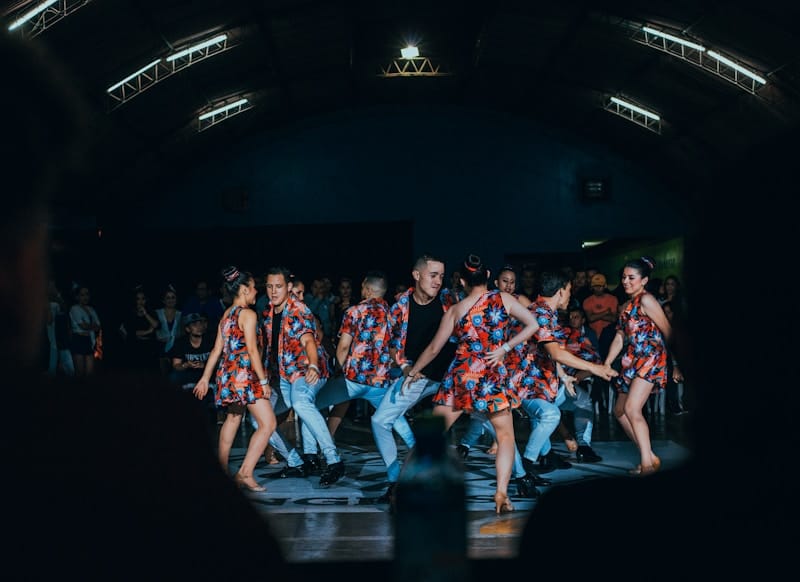
My first salsa class in Cali lasted 45 minutes and left me completely humiliated. The instructor — a 20-something woman named Valentina who moved like she'd been born to music — stood at the front watching me try to keep up with the basic step and failing spectacularly. People around me, some also complete beginners, were getting it. I was not. Two weeks later, I could hold my own at a peña on a Saturday night. That's the thing about learning salsa in Colombia — the culture is so immersive that you improve faster than you ever would back home.
Salsa isn't just a dance here. It's an identity. In Cali especially, asking someone if they know how to dance salsa is almost like asking if they breathe. Kids grow up watching their parents dance, neighbors spill into the street after Sunday lunch, and there's no shortage of older men who will absolutely show you up on the floor despite being 65 and dressed in a button-down. The culture supports learning in a way that no dance school in North America or Europe can replicate.
Whether you're in Cali for a month, based in Medellín, or just passing through Bogotá, here's where to actually learn salsa in Colombia, what it costs, which clubs are worth your time, and why you should not leave without at least trying.
Why Salsa in Colombia Hits Different
Cali salsa is a distinct style from what most foreigners have encountered. It's faster, more footwork-driven, and danced closer together than the international or New York styles you might find at home. Where international salsa has a lot of arm styling and traveling turns, caleño (Cali-style) salsa is about precision in the feet, tight spins, and control. Harder to learn, but extraordinary to watch when someone knows what they're doing.
Medellín and Bogotá have a more mixed scene — you'll find caleño style alongside cumbia, vallenato, and international styles depending on where you go. The distinction matters less if you're a complete beginner, but if your goal is to genuinely immerse in Colombian salsa culture, Cali is the clear answer. The rest of this guide will tell you what to do in all three cities, but just know that Cali is operating at a different level.
Learning Salsa in Cali
This is where you come if you're serious. Cali has hundreds of dance schools operating out of everything from professional studios to living rooms with the furniture pushed aside. Most classes are taught in Spanish, though some schools catering to foreigners have multilingual instructors or at least enough patience to communicate non-verbally.
Where to Take Classes
Swing Latino is one of the most famous salsa schools in Cali — they've produced world championship competitors. Group classes run COP $25,000–35,000 per session (roughly $6–9 USD), and private lessons with a senior instructor are usually COP $80,000–120,000 per hour ($20–30 USD). If you want to learn from people who take salsa seriously as an art form, this is your move.
Rumbos Salsa School in the Granada area is popular with foreigners for good reason — structured beginner-to-advanced progression, English-speaking instructors available on request, and workshops throughout the week. Prices are similar to Swing Latino.
Son de Luz offers smaller group classes with a more personal feel, good for beginners who don't want to feel lost in a sea of intermediate dancers. Around COP $20,000 per class.
For context: a month of three group classes per week runs $50–80 USD at most schools. Two private lessons a week over the same period costs $150–200 USD. Private lessons get you further faster; group classes give you the social element, which is half the point.
Salsa Clubs and Peñas in Cali
Going to clubs after (or instead of) formal lessons is the real accelerant. These places are packed with locals who have been dancing since childhood, and being on the floor with them forces adaptation in a way no class replicates.
La Topa Tolondra in El Centenario is an institution — open late on weekends, mostly locals, live bands some nights. Don't expect anyone to hold your hand, but do expect to be asked to dance. Cash only.
Zaperoco Bar in the center is beloved for its vintage atmosphere and the mix of tourists and Cali locals. Good for foreigners who want to try dancing in a real setting without feeling like they're crashing a private party.
Son de Negro is smaller and more intimate, sometimes hosts live charanga music, and good for people who want to actually dance rather than mostly watch.
Cover charges at Cali clubs typically run COP $15,000–30,000 ($4–8 USD) on weekends. Drinks are cheap — aguardiente shots cost around COP $3,000–5,000.
Learning Salsa in Medellín
Medellín has a solid salsa scene even if it doesn't compete with Cali's depth. The city's identity is more mixed — salsa sits alongside vallenato, urbano, and reggaetón depending on the neighborhood. But there are quality schools here, especially around Laureles and El Centro.
Estudio de Baile Ritmos near Laureles has a good reputation for structured beginner classes with flexible schedules. Group classes run COP $25,000–30,000, and they run workshops specifically for foreigners. If you're based in Poblado, there are a few schools in that area too, though the quality is spottier — ask locals rather than trusting Google results.
Son Havana in El Poblado is the best-known salsa club among the expat crowd — yes, it skews touristy on weekends, but the dancing is real and the vibe is genuinely good on a Thursday or Saturday. Expect COP $20,000–30,000 entry.
El Social near Parque Bello is worth mentioning for the opposite reason — almost entirely locals, fantastic music, and you'll feel out of your depth, which is exactly the point. If you've had a few weeks of classes, this is where to test them.
Honest take: if you're based in Medellín and not planning to visit Cali, you can absolutely find solid instruction here. But if you have a week free and can make the 8-hour bus ride or 40-minute flight south, do it. You'll learn more in one Cali weekend than in two weeks of Medellín classes.
Learning Salsa in Bogotá
Bogotá doesn't have the same salsa identity as Cali or Medellín, but the capital has plenty of schools and clubs, particularly in Chapinero and La Macarena.
Several schools in Chapinero offer evening adult classes for COP $20,000–25,000, and there are a handful that specifically cater to foreign students and professionals. The instruction quality varies more than in Cali or Medellín, so ask other expats in Bogotá Facebook groups for current recommendations before booking anything.
Galería Café Libro in Chapinero Alto is a Bogotá institution — live salsa, jazz, and bolero on weeknights, and they often have beginners taking up the floor alongside seasoned dancers. Relaxed environment, not intimidating, good for trying out what you've practiced in class.
Bogotá's salsa scene is lower-intensity than Cali's, but perfectly accessible. If you're based there for more than a month, it's worth exploring as a social activity even if you're not going all-in.
What to Expect in Your First Class
Beginner group classes in Colombia typically start with the basic step — the fundamental weight-shifting rhythm that everything else builds from. The first class will feel awkward. That's universal, and your instructors have seen it a thousand times.
Footwear matters more than most people realize. Closed-toe shoes with a smooth sole work best for spinning. Avoid rubber-soled sneakers — they catch the floor and you'll strain your knees trying to turn. Many dance studios sell basic dance shoes on-site for COP $50,000–80,000. Worth buying if you're planning more than two or three classes.
Most instructors pair beginners with partners who are slightly further along, which means you'll be pushed out of your comfort zone quickly. Go with it. The fastest way to improve is to dance with someone better than you, even if it feels uncomfortable at first.
At least one private lesson is worth doing. An hour with a good instructor focused specifically on your footwork and timing will save you weeks of practicing bad habits. Even a single private lesson halfway through your group class series can fix things that you wouldn't notice on your own.
And one more thing — don't try to learn salsa while also learning Spanish at the same time. You'll split your attention. Take the language classes first. If you're still working on your Spanish, the guide on learning Spanish in Medellín has the best schools and apps for getting conversational quickly.
Beyond Salsa: Bachata, Champeta & More
Salsa isn't the only dance worth learning. Bachata is everywhere — it's Dominican in origin but huge across Colombia, and slightly easier to pick up than caleño salsa. Most salsa schools also offer bachata classes, and it's genuinely useful social currency at any party or club. If you only have two weeks, I'd split your time between the two.
Champeta is worth knowing about if you're spending time in Cartagena or along the Pacific coast. It's an Afro-Colombian dance style — fast, sensual, deeply rooted in coastal culture. You won't find it in many formal studios, but you'll see it at local parties and in some Barranquilla clubs.
Cumbia — the traditional Colombian dance — is more ceremonial than social in most contexts. Learning the basic rhythm gives you cultural context and will earn you serious points with older Colombians, but you're unlikely to need it on a Saturday night out.
If you're working on your social life in general, the guide on how to make friends in Colombia covers language exchanges and activities where dance comes up naturally.
Frequently Asked Questions
❓ Do I need any dance experience to take salsa classes in Colombia?
No — most schools prefer starting from zero because they can teach you the Colombian footwork style without having to undo habits you've picked up elsewhere. Show up with the right shoes, no ego, and a genuine desire to learn, and you'll be fine.
❓ How much does it cost to learn salsa in Colombia?
Group classes run COP $20,000–35,000 per session ($5–9 USD). Private lessons are COP $80,000–150,000 per hour ($20–38 USD). A typical month of two to three group classes per week comes out to $40–75 USD total — genuinely affordable compared to what you'd pay at home.
❓ Is Cali really necessary, or can I learn salsa anywhere in Colombia?
You can find quality instruction in Medellín and Bogotá, but Cali is a different level of immersion. The entire city treats salsa as identity, not just exercise. If you can go, go — even a long weekend makes a difference.
❓ Will people judge me for being a bad dancer at Colombian clubs?
No. Colombians are genuinely welcoming of foreigners who make an effort to engage with the culture. You might get good-natured ribbing from friends if you're going out with Colombians you know, but mostly you'll get encouragement. The only faux pas is standing on the side refusing to try.
❓ What's the difference between caleño salsa and international salsa?
Caleño salsa is faster, more footwork-based, and danced on the spot rather than along a line. International or New York style travels more across the floor with bigger upper-body movements. If you're learning in Cali, you're learning caleño — which is the real Colombian style, and the harder but more impressive of the two.
Take the First Step
The only regret I've heard from expats about salsa in Colombia is that they waited too long to start. You don't need to become a performer or even a particularly good dancer — learning enough to hold your own at a Saturday peña in Cali, or to say yes when someone asks you to dance in Medellín, is a completely different experience of living here than staying on the sideline.
Have you taken salsa classes in Colombia? Any schools I missed, clubs worth adding to the list, or memorable first-class disaster stories? Drop them in the comments — I'd genuinely love to hear what's worked for people in different cities.
🇨🇴
Get the next Colombia guide in your inbox
Join 10,000+ expats and future expats. No spam, just useful guides.


Comments
Loading comments...