
Is Medellín Safe in 2026? The Honest Truth Every Traveler Needs to Read
Is Medellín safe in 2026? The honest answer — crime statistics, safe neighborhoods, areas to avoid, and safety tips every expat and traveler needs to know.

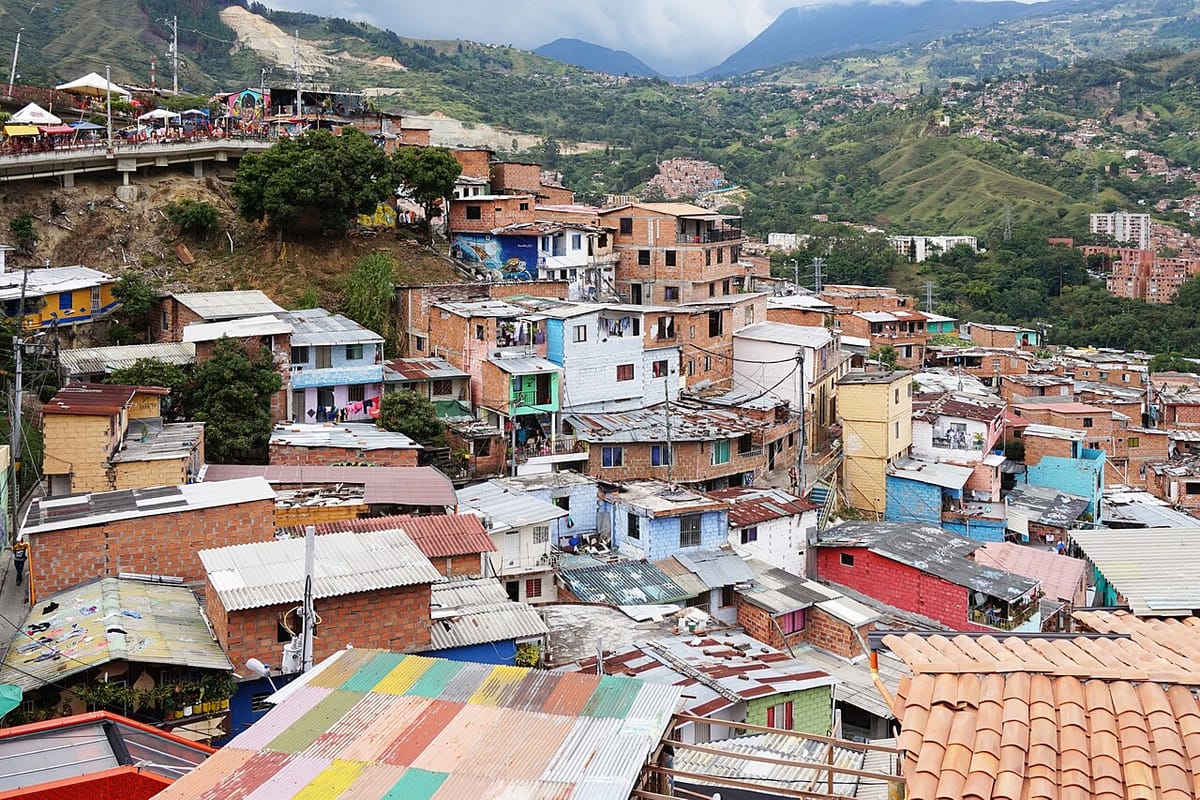
If you search for Medellín online, you will still find outdated warnings and scary headlines rooted in the 1980s and 90s. The truth is that Medellín in 2026 is a completely different city — one that has undergone one of the most remarkable urban transformations in modern history. But that does not mean you should travel without awareness. This guide gives you the honest picture.
The Short Answer: Yes, Medellín Is Safe for Tourists
Millions of tourists and expats live in and visit Medellín every year without incident. The city consistently ranks as one of the top destinations in Latin America. El Poblado, Laureles, Envigado, and El Centro (during the day) are as safe as any major European or North American city when approached with basic street awareness.
How Medellín Transformed
In the early 1990s, Medellín had the highest murder rate of any city in the world. The violence was driven by Pablo Escobar's cartel and rival gangs. Since his death in 1993, the city has invested massively in urban renewal, education, public transport, and community development. The murder rate has dropped by over 95% since its peak. The city won the Urban Land Institute Award for innovation in city planning in 2013 — beating out New York and Tel Aviv.
Neighborhoods: Which Are Safe and Which to Avoid
🟢 Safe for tourists and expats:
- El Poblado — the main tourist hub. Very safe, walkable, full of restaurants and cafés.
- Laureles — residential, very safe, more local feel.
- Envigado — quieter, family-friendly, excellent safety record.
- El Centro — busy and vibrant during the day. Home to Plaza Botero. Avoid at night.
🔴 Areas to avoid:
- Moravia, parts of Manrique and Aranjuez — high-risk areas. No reason for tourists to visit these.
- El Centro at night — stick to Uber after dark and avoid wandering.
10 Practical Safety Tips for Medellín in 2026
- Use Uber or InDriver exclusively. Never hail a random taxi off the street.
- Keep your phone out of sight. Phone snatching is the most common crime targeting tourists.
- Do not wear expensive jewellery or watches. Keep valuables at your accommodation.
- Watch your drink. Scopolamine spiking has been reported in bars. Never leave your drink unattended.
- Avoid flashing cash at ATMs. Use ATMs inside malls or banks, not on the street.
- Stay in well-lit areas at night. El Poblado and Parque Lleras are lively and safe at night.
- Get travel insurance. Non-negotiable. Make sure it covers medical evacuation.
- Save emergency numbers. Police: 123. Emergency: 112. Tourist Police: +57 4 444 4144.
- Learn basic Spanish. Even a few phrases build trust and respect with locals.
- Trust your gut. If a situation feels wrong, leave. The city rewards aware travelers.
The Bottom Line
Medellín in 2026 is not the city it was in the 1990s. It is a modern, innovative, and welcoming metropolis that rewards travelers who approach it with awareness and respect. Hundreds of thousands of expats and tourists visit safely every year. The risks that exist are manageable with common sense — the same common sense you would apply in any major city around the world.
Do not let outdated fear stop you from experiencing one of the most extraordinary cities on earth.
What Has Been Your Experience?
Have you visited or lived in Medellín? We want to hear from you in the comments below:
- Did you feel safe during your time there?
- Any safety tips or experiences worth sharing with first-timers?
- Did anything surprise you about how safe (or unsafe) it felt?
Your experience matters — drop it in the comments. 👇
Help Others Travel Safely — Share This Post
Your neighborhood choice is the single biggest factor in your safety and quality of life. See our full Medellín neighborhood guide to find the right area for you. Comparing Colombia with other destinations? Read our Colombia vs Mexico for expats comparison for a head-to-head safety breakdown.
Safety by Neighborhood
Medellín's safety varies dramatically by neighborhood. El Poblado, Laureles, Envigado, and Sabaneta are the safest areas — these are where most expats live and where you'll rarely encounter problems beyond petty theft. The Centro (downtown) is fine during the day but should be avoided at night. Areas like Comuna 13 are popular tourist spots during the day but not residential choices for foreigners. Avoid Bello, Itagüí Centro, and areas near the bus terminal after dark.
Common Crimes and How to Avoid Them
The most common crimes affecting expats are phone snatching, pickpocketing, and drink spiking (scopolamine). For phones: don't walk while looking at your phone, use it discreetly, and keep it in a front pocket or cross-body bag. For pickpocketing: be extra alert on the Metro during rush hour and in crowded areas. For scopolamine: never accept food, drinks, cigarettes, or even business cards from strangers — this drug is odorless, tasteless, and renders you compliant within minutes.
Practical Safety Tips
Don't flash expensive jewelry, watches, or electronics. Use Uber or InDrive instead of hailing taxis on the street — app-based rides are tracked and much safer. Withdraw cash from ATMs inside shopping malls or banks, never from street-facing ATMs at night. Learn basic Spanish for emergencies — being able to communicate helps in any situation. Save the national emergency number (123) and your embassy's number in your phone.
For context, most expats living in Medellín's nicer neighborhoods report feeling as safe as or safer than comparable US cities. The key is using common sense, being aware of your surroundings, and not making yourself an obvious target. Medellín has come incredibly far from its reputation, and millions of people live here safely every day. Don't let fear stop you from experiencing this amazing city — just be smart about it.
One final piece of context that helps: Medellín's homicide rate has dropped over 95% since the 1990s. The city now ranks safer than many US cities including St. Louis, Baltimore, and Memphis. The transformation is real and ongoing — the Metro, cable cars, escalators in formerly isolated communities, and massive investment in public spaces have changed the city fundamentally. You'll see police and security guards everywhere in commercial areas, neighborhood watch programs (frentes de seguridad) are active, and Colombia's national police have a dedicated tourist police unit that patrols popular areas. The Medellín you see in movies and Netflix shows is decades in the past.
Know someone who is scared to visit Medellín because of what they have heard? Share this post with them. You might just convince them to take the trip of their life. 🌎✈️
🇨🇴
Get the next Colombia guide in your inbox
Join 10,000+ expats and future expats. No spam, just useful guides.



Comments
Loading comments...