
Internet and SIM Cards in Colombia: eSIMs, Wi-Fi, Phone Plans & What Actually Works
Everything you need to know about internet in Colombia — mobile data, eSIMs, Wi-Fi speeds, best phone carriers, and how to stay connected as an expat or digital nomad in 2026.
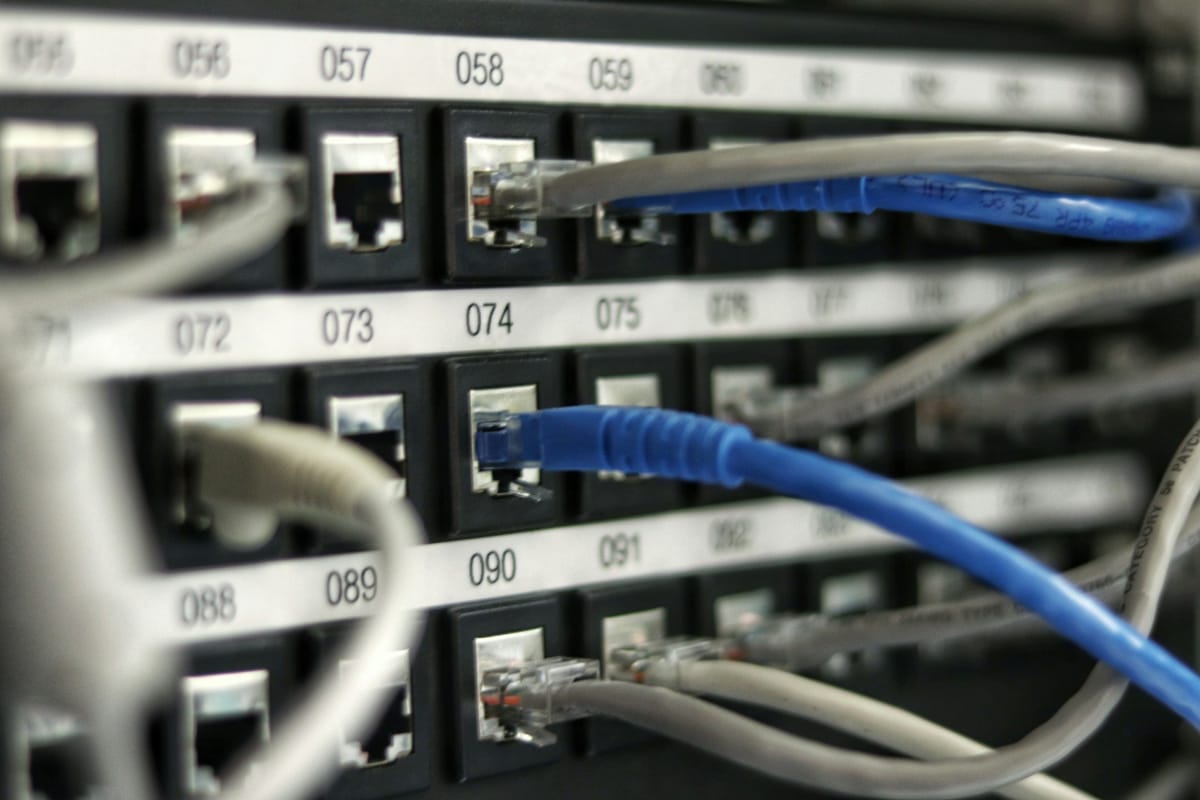
Staying connected in Colombia is easier than most people expect — but only if you know what to set up before you land. Whether you need a local SIM, a home fiber plan, or just a reliable eSIM to get through your first week, this guide covers everything for 2026.
🌐 Internet Overview: Colombia Is More Connected Than You Think
Colombia's internet infrastructure has come a long way. Medellín and Bogotá both have widespread fiber coverage, solid 4G LTE across most urban areas, and 5G rolling out in major cities. If you're basing yourself in a major metropolitan area, you won't be roughing it — speeds are comparable to what you'd find in parts of Europe or the US.
Rural areas are a different story. Towns in the coffee region, coastal villages, and mountain communities can have spotty or slow connections. If you're planning to work remotely from off-the-beaten-path locations, build in backup plans. A good rule of thumb: the closer you are to a city, the better your connectivity.
For digital nomads and expats settling in Medellín, Bogotá, Cartagena, or Cali, internet is genuinely not a concern. The city infrastructure is there. It's just a matter of choosing the right provider and setup for your situation — which is exactly what this guide is for. If you're still planning your move, check out the moving to Colombia checklist for a broader look at what to organize before and after arrival.
🏠 Home Internet Providers: Claro, Tigo, and ETB
If you're renting an apartment, you'll likely be dealing with one of three major ISPs: Claro, Tigo, or ETB (in Bogotá). All three offer fiber plans and are reasonably reliable in urban neighborhoods. Here's what to expect:
Claro is the most widely available nationally and has strong infrastructure in Medellín. Plans typically run 100–300 Mbps for COP $80,000–$150,000/month (roughly $20–$40 USD). Installation usually takes 3–7 business days, and you'll need your passport and a Colombian address.
Tigo is competitive, especially in Bogotá and Cali, with similar pricing and speeds. Their customer service can be inconsistent, but the actual connection quality is solid in most neighborhoods.
ETB is Bogotá-specific, state-owned, and often the cheapest option in the capital. Coverage is strong in central Bogotá but thins out in peripheral neighborhoods.
Installation tip: If your landlord hasn't already set up internet, ask before signing your lease. Some apartments come with internet included or have an existing installation — adding a new line can take longer than expected. Also confirm whether the router they provide can handle your work setup or if you'll want to bring your own.
📱 Mobile Carriers: Coverage, Speed, and Plans
Colombia's three main mobile carriers are Claro, Movistar, and Tigo. All three offer prepaid (prepago) and postpaid (pospago) options. For most expats and nomads on shorter stays, prepaid is the way to go — no contracts, no credit check, no bureaucracy.
Monthly prepaid plans typically run COP $35,000–$90,000 ($10–$25 USD) and include a mix of data, local calls, and sometimes WhatsApp or social media inclusions. Data-heavy plans at the upper end give you 20–40 GB, which is plenty for most remote workers if you're on Wi-Fi at home or coworking spaces most of the day.
Here's how the three carriers compare:
| Carrier | Coverage | Speed | Monthly Cost (USD) | Best For |
|---|---|---|---|---|
| Claro | Best nationwide | 4G LTE / 5G in cities | $10–$25 | Travelers, rural coverage, overall reliability |
| Movistar | Strong in major cities | 4G LTE | $10–$22 | Urban nomads, Bogotá/Medellín focus |
| Tigo | Good in cities, weaker rural | 4G LTE / 5G expanding | $10–$20 | Budget-conscious users in urban areas |
For most people, Claro wins on coverage. If you're ever outside a major city — driving between regions, visiting smaller towns — Claro's network is noticeably more reliable than the others.
🪪 Getting a Colombian SIM Card
Buying a local SIM in Colombia is straightforward. You'll need your passport — that's it. Head to any official carrier store (Claro, Tigo, or Movistar all have shops in major malls and city centers) or look for authorized reseller kiosks, which are everywhere in commercial areas.
The process at a carrier store usually takes 15–30 minutes. You'll fill out a short form, hand over your passport, choose a plan, and walk out with an active SIM. The SIM card itself is often free or costs just a few thousand pesos.
A few tips:
Go to an official store rather than a street vendor for your first SIM — you'll get proper documentation and activation support.
Activation is usually instant but can take up to a few hours for calls and texts to fully work.
Top-up (recargas) can be done at almost any supermarket, pharmacy, or via the carrier's app.
If you're on a Colombia digital nomad visa and planning to stay long-term, a postpaid plan is worth considering once you have a cédula de extranjería. You'll get better pricing and a more stable relationship with the carrier.
📲 eSIMs: The Best Option for Arriving Travelers
If you're arriving in Colombia and want data the moment you land — without hunting for a SIM card store at the airport — an eSIM is the move. You set it up before you fly, it activates when you land, and you're connected immediately.
The platform we recommend is Saily. Their Colombia eSIM plans start from around $4 for a short trip and scale up for longer stays. Built by the team behind NordVPN, the app is polished, setup takes about 5 minutes, and support is excellent.
📲 Why we recommend Saily
- Built by Nord Security (the team behind NordVPN) — trusted privacy-first company
- Colombia eSIM plans from ~$4 for short trips
- Works in 150+ countries — great for regional travel across Latin America
- Simple app, 5-minute setup, no physical SIM swap needed
eSIMs work on most modern unlocked smartphones — iPhone XS and newer, many newer Android devices. Check your phone's settings (look for "Add eSIM" or "Add Data Plan") before assuming compatibility.
Here's how your connectivity options compare:
| Option | Setup | Cost | Best For | Drawbacks |
|---|---|---|---|---|
| eSIM (Saily) | Before you fly | From ~$5 | Arrivals, short stays, convenience | Data-only, no local number |
| Local SIM | In-country, ~30 min | $10–$25/mo | Long stays, local number needed | Requires passport, in-store visit |
| Pocket WiFi | Rental or purchase | $5–$15/day rental | Groups, multiple devices | Extra device to carry, battery dependent |
Our recommendation: use an eSIM for your first week while you settle in, then switch to a local SIM once you've picked your neighborhood and confirmed your plans. If you're staying longer, check out the cost of living in Medellín breakdown to see how phone plans fit into your overall monthly budget.
💻 Wi-Fi in Medellín Coworking Spaces
Medellín has become one of Latin America's top cities for remote workers, and the coworking infrastructure reflects that. Most established coworking spaces offer 100+ Mbps fiber connections, backup lines, and the kind of upload speeds you need for video calls and large file transfers.
The best spaces are concentrated in El Poblado, Laureles, and Envigado — all neighborhoods with excellent residential internet as well. If you're doing video interviews, client calls, or anything bandwidth-intensive, you can generally trust coworking Wi-Fi in these areas.
That said, always run a speed test on arrival at a new coworking space before committing to a day pass. Tools like Fast.com or Speedtest.net take 30 seconds and save you from a frustrating day.
For a full rundown of the best coworking spaces in the city — including speed ratings, pricing, and vibe — check out the dedicated best coworking spaces in Medellín 2026 guide.
🧠 Digital Nomad Internet Tips for Colombia
Here's what actually makes a difference once you're on the ground:
Always have a backup connection. Your apartment internet will go out occasionally — usually for a few hours, sometimes longer. Your mobile data plan is your backup. Make sure you have enough data to cover a half-day of work if needed.
Test speeds before signing a lease. If possible, visit a potential apartment and run a speed test on the existing Wi-Fi. Don't trust a landlord's claims of "fast internet" — verify it yourself.
Stick to well-connected neighborhoods. In Medellín: El Poblado, Laureles, Envigado, and Sabaneta are all solid. In Bogotá: Chapinero, Usaquén, and La Candelaria. In Cartagena: Bocagrande and Getsemaní.
Use a VPN for sensitive work. Public Wi-Fi in cafés and shopping malls is generally fine for casual use, but if you're handling client data or sensitive logins on public networks, a VPN is worth the subscription cost — we use NordVPN.
Download offline maps and key tools. Google Maps offline works great for navigating when you're between SIM setups. Download Medellín before you land.
If this is your first time in Medellín, the first-time Medellín guide covers the broader preparation checklist, including safety, transport, and neighborhoods — not just internet.
📖 Keep Reading
How to Set Up All Utilities in Colombia — Beyond internet — electricity, water, gas, and the estrato system explained for foreigners.
☁️ Remote workers: don't forget your cloud setup
Once your internet is sorted, make sure your projects are hosted somewhere reliable too. DigitalOcean offers simple cloud hosting from $4/month — ideal for freelancers and developers hosting websites, databases, or apps remotely. Predictable monthly pricing means no billing surprises while you're managing costs in pesos and dollars. Try it free with $200 credit →
❓ FAQ: Internet in Colombia
❓ How fast is the internet in Colombia?
In major cities, fiber home internet runs 100–300 Mbps down with relatively low latency. Most coworking spaces in Medellín and Bogotá advertise 100–500 Mbps. Mobile 4G LTE typically delivers 20–60 Mbps in good signal areas. That's more than enough for video calls, streaming, and remote work. Rural areas can drop to 5–20 Mbps or slower depending on the ISP and infrastructure available.
❓ Do I need a VPN in Colombia?
We recommend NordVPN — it's fast, reliable, and works well in Colombia. Plans start around $3-4/month on their annual deals, and it's worth it for peace of mind on public Wi-Fi and accessing content from your home country.
❓ How much does internet cost in Colombia per month?
Home fiber internet runs roughly $20–$40 USD/month for 100–300 Mbps. Mobile prepaid data plans are $10–$25/month for generous data packages. eSIMs for short stays start around $5 for a few GB. By any measure, internet costs in Colombia are significantly lower than in the US, Europe, or Australia — and the speeds are competitive. It's one of the genuine quality-of-life wins for expats here.
✅ The Verdict: How to Handle Connectivity in Colombia
Here's exactly what to do, in order:
Before you fly: Buy a Colombia eSIM on Saily. Activate it, set it to roam on arrival. Done.
First week in Colombia: Visit a Claro store with your passport. Pick up a prepaid SIM with a 20–30 GB data plan. This becomes your backup line and local number.
Once you have an apartment: Set up a Claro or Tigo fiber plan. 100 Mbps is fine for solo workers; go 200+ Mbps if you're sharing with roommates or doing heavy video work.
For work days out of the apartment: Use a coworking space with verified fast Wi-Fi. Keep your phone hotspot as backup. Test on arrival, don't assume.
Colombia rewards prepared travelers. Get your connectivity sorted before you land and you'll spend your first days exploring — not troubleshooting.
🇨🇴
Get the next Colombia guide in your inbox
Join 10,000+ expats and future expats. No spam, just useful guides.

Comments
Loading comments...