
How to Ship Your Stuff to Colombia (Or Why You Probably Shouldn't)
Should you ship your belongings to Colombia? Honest guide to international shipping costs, customs, what to bring in suitcases, and what to just buy when you arrive in 2026.

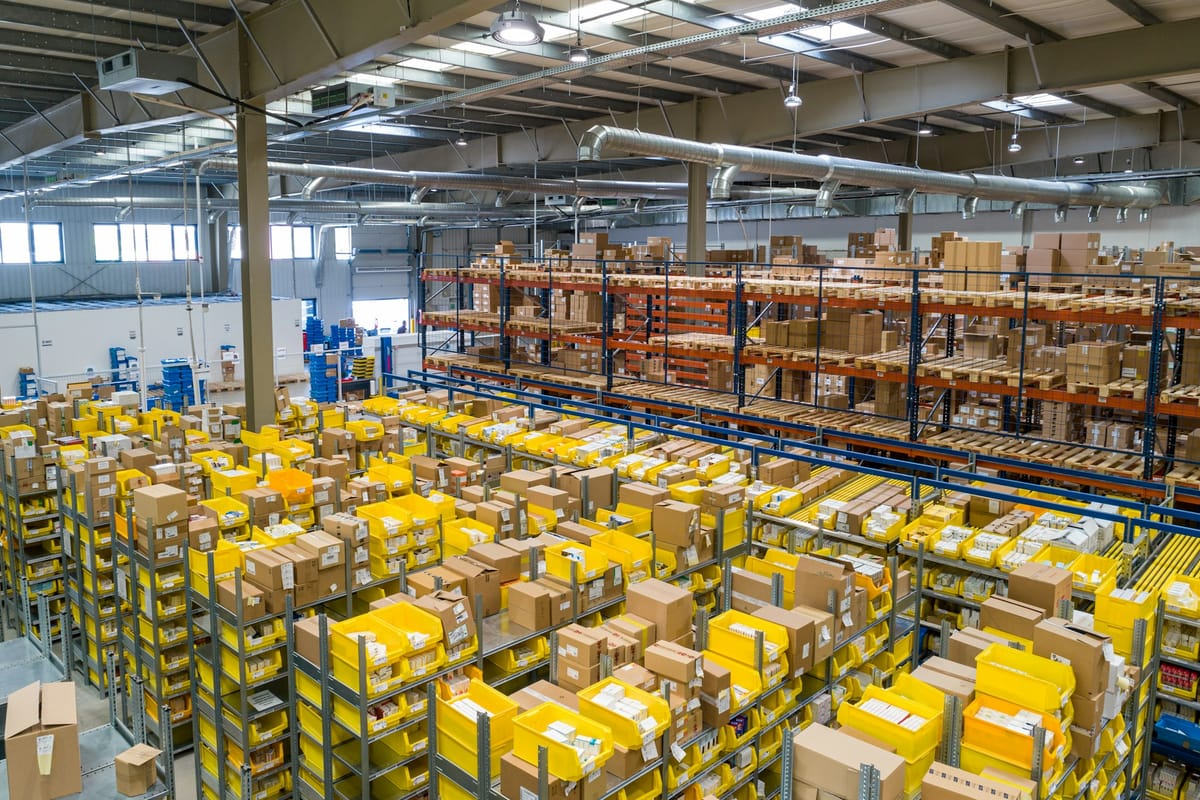
Shipping your belongings to Colombia sounds straightforward until you get your first customs quote. The reality is that most expats who've done it wish they hadn't — and the ones who skipped the shipping container and showed up with two suitcases? They're usually glad they did.

The Honest Truth: Most Expats Don't Ship Anything
Before you start wrapping your dishes in bubble wrap, here's what nobody tells you upfront: the economics of shipping to Colombia almost never make sense for the average expat. Colombia charges import duties of 15–20% on declared value, then stacks a 19% VAT on top of that, and then adds handling and customs broker fees. On a shipment you value at $5,000, you could easily pay $2,000+ in taxes and fees before a single box reaches your apartment.
Then there's the paperwork — all in Spanish, requiring notarized documents, a customs broker (mandatory for most shipments), and weeks of waiting while your stuff sits in a warehouse at the port of Cartagena or Bogotá. Delays of 2–6 weeks after arrival are normal. Damage and loss, while not common, do happen. And when you finally do the math on what it cost you to move a couch versus what a comparable couch costs at Homecenter, you'll feel it.
Talk to expats who've lived in Colombia for a few years and the advice is almost unanimous: bring what matters, leave the rest, and buy locally. Colombia has excellent furniture, decent electronics, and everything you need to set up a comfortable home. The shipping container is a trap for most people.
📦 When Shipping Actually Makes Sense
That said, there are legitimate reasons to ship. The threshold question is simple: can you replace it, and at what cost? If the answer is yes and the replacement cost in Colombia is reasonable, leave it behind. If the answer is no — or the Colombia replacement cost is dramatically higher — shipping starts to make sense.
Sentimental items you genuinely cannot replace are the clearest case. Family heirlooms, artwork, meaningful objects — these have no Colombia equivalent. Ship them. Specialized professional equipment is another good reason: a high-end camera rig, professional audio gear, specialized tools for your trade. These items are significantly more expensive in Colombia (30–50% markups are common) and may not even be available in the specs you need.
Specific medical devices — CPAP machines, specialized orthopedic equipment, medical-grade items — are worth shipping because replacements in Colombia may be difficult to source or prohibitively expensive. High-end laptops and specific electronics that you know cost significantly more here also make the cut.
The rough rule of thumb: if the total value of what you're shipping is under $3,000, it's almost never worth it once you factor in shipping costs, duties, and the hassle. Above $10,000 in irreplaceable or high-value items, the math can shift in your favor.
🚢 Shipping Options Compared
If you've decided shipping makes sense for your situation, here's how the main options stack up. Keep in mind that transit times are just shipping time — customs clearance in Colombia adds 2–4 weeks on top of everything.
| Option | Cost Range | Transit Time | Best For |
|---|---|---|---|
| Full Container (FCL) 20ft | $3,000–$8,000 | 4–8 weeks | Full household, families |
| Shared Container (LCL) | $800–$2,500 | 6–10 weeks | Partial loads, 5–20 boxes |
| Air Freight | $5–$10/kg | 1–2 weeks | High-value, low-weight items |
| Courier (DHL/FedEx) | Varies by weight | 3–7 days | Small packages only |
For quotes, reach out to international movers that specialize in Colombia routes: JetWorldwide, Seven Seas Worldwide, and Mudanzas Internacionales are worth contacting. You'll also need a Colombian customs broker (agente de aduanas) regardless of which option you choose — they handle the clearance process on the Colombia end and are legally required for commercial shipments. Expect to pay $300–$600 for their services separately.

🛃 Colombian Customs: What to Expect
Colombian customs (DIAN) is not the friendliest bureaucracy you'll encounter, but it's manageable if you're prepared. The standard import duty is 15–20% of declared value, plus Colombia's 19% IVA (VAT), plus handling and storage fees at the port. It adds up fast.
The key exemption to know about is "menaje doméstico" — household goods. If you're moving to Colombia with a valid visa and haven't been in the country for more than 6 months, you may qualify for a significant duty reduction on personal household goods. This isn't a blanket exemption, and the rules are specific, but it can dramatically reduce your tax burden if you qualify. Your customs broker will guide you through whether you're eligible.
Documents you'll need for any significant shipment: your valid Colombian visa, a complete inventory list in Spanish (described in detail, not just "household items"), your passport copies, a power of attorney for your customs broker to act on your behalf, and the original bill of lading from the shipping company. Missing any of these causes delays — and delays at the port mean storage fees piling up.
Budget 2–4 weeks for customs clearance after your shipment arrives at the port. Some people clear in 10 days; others wait 6 weeks. The unpredictability is real and stressful if you're waiting on your belongings to set up your new home. Plan to be settled and comfortable before your stuff arrives — not the other way around.
🧳 The Suitcase Strategy (What Most Expats Actually Do)
The majority of expats moving to Colombia — especially digital nomads, remote workers, and people testing the waters for the first year — arrive with 2–3 checked bags and nothing more. It sounds minimal until you realize how little you actually need, and how much is available locally at lower prices.
Here's what actually belongs in those bags: all your important documents (passports, visa paperwork, medical records, diplomas), any prescription medications with enough supply for 2–3 months plus the original prescription from your doctor, your electronics (laptop, phone, camera, any specialized gear), and clothes for your first month — specifically items for both warm Medellín weather and cooler nights, plus one set of business-appropriate clothes.
Pack small sentimental items that matter to you — photos, a few books, meaningful objects — and leave the bulk behind. You will not miss most of it. Within two weeks of arriving in Medellín or Bogotá, you'll have found the local stores, bought what you need, and realized that "Colombian IKEA" (Homecenter) has everything you thought you couldn't live without, often at better prices.
If you're still figuring out where in Colombia you want to live long-term, the suitcase strategy is even more important. You don't want a container of furniture sitting in customs while you realize you'd rather be in Cartagena than Medellín. Check out our cheapest places to live in Colombia guide before you commit to a city.
🛒 What's Cheaper to Buy in Colombia
Colombia is genuinely excellent value for most of the things you need to set up a home. Furniture is the standout — Colombia has a strong furniture manufacturing tradition, and you can get solid, well-made pieces for a fraction of what they'd cost in the US, Canada, or Europe. Even better, custom carpentry is affordable and widely available. Want a built-in bookshelf or a custom-made dining table? A local carpenter (carpintero) can often make it for less than flat-pack costs back home.
Homecenter (Colombia's home improvement and furniture giant), Falabella, and Éxito cover the full range from budget to mid-range. For kitchenware, bedding, towels, and household basics, you'll find everything you need at reasonable prices. Basic clothing is cheap — everyday wear, casual pieces, and local brands are all affordable. Toiletries and personal care products from international brands are widely available at Carulla, Éxito, and pharmacies.
Fresh food, domestic appliances, and local services (cleaning, repairs, delivery) are all significantly cheaper than what you're used to. The cost of living adjustment is real. Read our full breakdown of the cost of living in Medellín to see exactly what things cost month to month.
💰 What's Cheaper to Bring From Home
Not everything is a bargain in Colombia. Electronics are where you feel the price difference most painfully — expect to pay 30–50% more than US prices for laptops, phones, cameras, and tablets. Import duties, limited competition, and currency dynamics all contribute. If you're buying a new MacBook before you move, buy it before you leave. Same goes for any specialized tech equipment.
Prescription medications are a real consideration. Many medications are available in Colombia, but not all, and getting a foreign prescription recognized takes time and sometimes requires a local doctor's visit. Bring a 3-month supply of anything critical, along with the original prescription and a letter from your doctor explaining the medication. Over-the-counter medications and supplements — especially specific brands or formulations — are worth packing too.
Specialty outdoor gear (technical hiking gear, quality cycling equipment, specific outdoor brands) is limited and expensive in Colombia. If you're an avid hiker or cyclist, bring your gear. English-language books are genuinely hard to find outside of a few shops in major cities — bring your favorites or commit to a Kindle. Specific cosmetics and skincare brands, particularly niche or specialty products, often aren't available here or are dramatically marked up in specialty import stores. Bring enough to last 3–6 months and then reassess.
✈️ Airline Baggage Hacks
If the suitcase strategy is your plan, it's worth optimizing your flight to maximize what you can bring. Airlines vary significantly in their checked baggage policies to Colombia, and the difference between carriers can translate to hundreds of dollars in fees — or hundreds of dollars saved.
Avianca and LATAM are the two major carriers flying to Colombia and both generally allow 2 checked bags (23kg each) in standard economy on international routes. American Airlines and United also allow checked bags on international flights. Spirit and ultra-low-cost carriers charge for everything — buy baggage upfront online, it's significantly cheaper than at the airport. Overweight fees (over 23kg per bag) typically run $100–$200 per bag, which is expensive. It's usually better to add a third bag than to overpack two.
For items that don't fit in your checked bags, services like SendMyBag ship door-to-door internationally and are often cheaper than airline excess baggage fees for heavier items. Rates vary but can be competitive for 20–40kg boxes. Compare their rates against adding an extra checked bag before you book.
One underused hack: ship a box via courier (DHL, FedEx) 2 weeks before you fly. Pre-paying for a 20kg box of essentials often costs less than airline overweight fees, arrives at your accommodation before you do, and removes the airport stress entirely. This works especially well for books, clothing, and non-fragile items.
For a full breakdown of what your move will cost before you arrive, our guide on how much money you need to move to Colombia covers the full picture.
❓ Frequently Asked Questions
How much does it cost to ship a container to Colombia?
A 20-foot full container (FCL) from the US East Coast to Colombia runs approximately $3,000–$8,000 for the shipping itself. Add Colombian customs duties (15–20% of declared value), 19% IVA, customs broker fees ($300–$600), port handling, and inland delivery, and the total cost of getting a full container to your apartment in Medellín or Bogotá can easily reach $10,000–$15,000 or more. Shared container (LCL) options start around $800–$2,500 for a partial load, but the per-cubic-meter rate is higher than FCL, and customs costs still apply on the value of your goods.
Can I bring my car to Colombia?
Technically yes, but practically almost never worth it. Importing a vehicle to Colombia involves import duties of 35% or more of the vehicle's declared value, plus IVA, plus INVIMA certification in some cases, plus mandatory modifications to meet Colombian safety standards. The paperwork is substantial, the process takes months, and the total cost typically exceeds what the vehicle is worth. Most expats either sell their car before moving and buy locally, or use Colombia's excellent (and cheap) ride-share and taxi networks while they get settled. If you're moving long-term and need a vehicle, buying locally is almost always the better path.
Do I have to pay customs on personal belongings?
It depends on how you're bringing them in and what they are. Personal items in your checked luggage that are clearly for personal use are generally waved through without issue — Colombian customs follows a common-sense approach for what's obviously personal clothing and basic effects. However, multiple identical items, high-value electronics, or anything that looks commercial will attract scrutiny. For shipped household goods, you will pay duties unless you qualify for the "menaje doméstico" exemption, which applies to people relocating to Colombia with a valid visa and importing their personal household goods for the first time. A customs broker can help you determine if you qualify and handle the paperwork.
The Verdict: Suitcases Win for Most People
If you're moving to Colombia and debating whether to ship your stuff, here's the honest, actionable answer: unless you have irreplaceable items or high-value professional equipment worth more than $3,000–$5,000 that would cost significantly more to replace in Colombia, skip the shipment. Pack two or three bags with your essentials, fly in, get settled, and buy what you need locally.
Colombia has everything you need to live comfortably. Furniture, kitchenware, bedding, basic clothing, and household essentials are all cheaper here than back home. The only categories where bringing from home genuinely pays are quality electronics, specialized medications, specific outdoor gear, and niche personal care products.
Moving with a furry companion? Read our complete guide to bringing your pet to Colombia.
For ongoing mail and packages you'll receive after moving, consider setting up a virtual mailbox like Traveling Mailbox. It accepts mail from USPS, FedEx, UPS, and DHL at a real US street address, scans everything, and can forward items to Colombia. I've been using it for over a year. Read my review.
The expats who arrive lean and buy locally adapt faster, stress less, and often end up happier with their setup than those who spent months wrestling with customs paperwork. Use our moving to Colombia checklist to make sure you've got everything covered before you fly — and check our guide on how to rent an apartment in Medellín so you've got a place ready for all that locally-sourced furniture.
🇨🇴
Get the next Colombia guide in your inbox
Join 10,000+ expats and future expats. No spam, just useful guides.






Comments
Loading comments...