
Getting Married in Colombia as a Foreigner: Legal Guide
Getting married in Colombia is straightforward — once your paperwork is sorted. Here's the complete guide to the notaría process, documents, costs, and what it means for your visa.
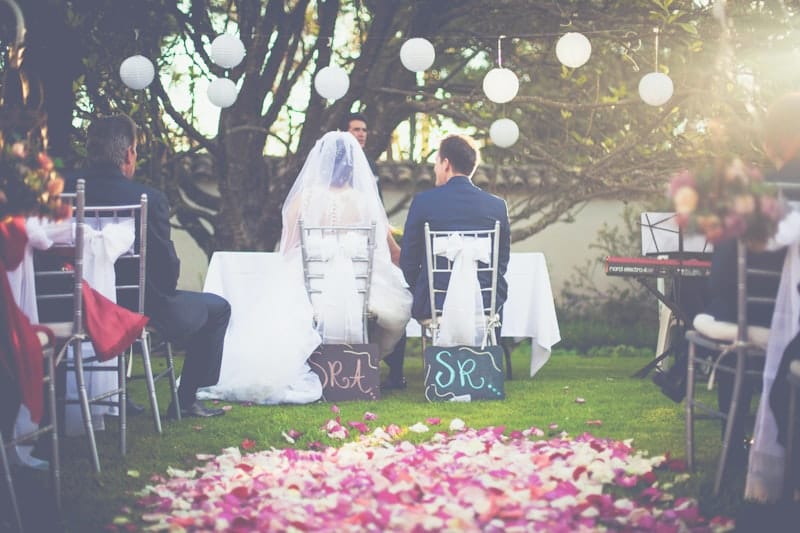
Getting married in Colombia as a foreigner is entirely doable — but nobody warns you that the paperwork trail starts months before the wedding. A friend of mine spent three stressful weeks scrambling for apostilles after he thought he'd sorted everything, and his experience is pretty typical. The Colombian notaría system is efficient once you're inside it; getting your foreign documents in order beforehand is where most couples run into trouble.
The good news: Colombia recognizes civil marriages performed at a notaría as fully legal, and the process is well-established for foreign nationals. You don't need permanent residency. You don't need to speak perfect Spanish. A tourist entry stamp is enough to get married here — and many people do exactly that.
This guide covers everything: which documents you need, how to get them apostilled and translated, what the actual notaría ceremony looks like, how much it costs, and what marriage means for your long-term visa options in Colombia.
Civil vs. Religious: Two Paths to the Altar
Most foreigners go the civil route through a notaría. It's legally binding, works for any couple regardless of religion, and the paperwork requirements are well-defined. Notarías in Medellín, Bogotá, and Cartagena deal with international couples regularly, so the staff know the drill.
Colombia also recognizes Catholic church weddings as legally valid — but only when both parties are baptized Catholic, and the ceremony must be registered with the civil registry afterward to be fully official. If one of you isn't Catholic, a church ceremony is essentially symbolic and won't create a legal marriage on its own.
Practically speaking: do the civil notaría wedding first, get the acta de matrimonio (marriage certificate) in hand, and then throw whatever celebration you want afterward — beach party, church blessing, family dinner. The legal part is just paperwork; the celebration is yours to design.
Documents You Need as a Foreign National
Every foreign document must be apostilled and officially translated into Spanish by a Colombian sworn translator (traductor oficial). Without both, the notaría won't accept your paperwork. This is non-negotiable, and it's where most couples underestimate the timeline.
Documents from Your Home Country
- Birth certificate — original, ideally issued within the last 6-12 months. Some notarías are strict about recency; confirm before ordering.
- Proof of single status — in the US, this is usually a Certificate of No Impediment from your county clerk, or a sworn affidavit stating you are not currently married. Other countries have equivalents.
- Valid passport — the notaría will photocopy it; no apostille needed for this one.
- Criminal background check — some notarías require an FBI background check for US citizens. Others accept a state-level check. A few don't ask at all. Call the notaría first.
If either of you has been married before, add the divorce decree (apostilled and translated) or, in the case of widows/widowers, the death certificate of the former spouse — also apostilled and translated. These add cost and processing time. Budget for them early.
The Apostille and Translation Process
An apostille is a government-issued stamp verifying that your document is genuine. In the US, apostilles are handled by the Secretary of State of the state that issued the document — not a federal office. State processing times range from same-day walk-in service (New York, Illinois) to 4-6 weeks by mail. Plan for the longest scenario.
Once apostilled, each document needs certified translation by a traductor oficial — an accredited Colombian translator registered with the Ministry of Foreign Affairs. A random bilingual person won't do. Translation services run about 80,000–150,000 COP per document ($20–40 USD), and most accredited translators work online. You can find them by searching 'traductor oficial Colombia' on Google or asking at the notaría.
How the Notaría Process Works
Once your documents are in order, the process moves quickly. Here's what to expect at each stage.
Step 1: Choose a Notaría
You can marry at any notaría in Colombia — you don't have to use one in your city of residence. In Medellín, Notaría 10 (Laureles) and Notaría 29 handle a high volume of foreign couples. In Bogotá, Notaría 19 and Notaría 41 are commonly recommended. In Cartagena, the notarías near the historic center deal with international weddings regularly. That said, requirements can vary slightly between offices — call or visit in person before sending documents.
Step 2: Document Submission (Radicación)
You submit your complete document package in person — originals plus photocopies. The notaría clerk reviews everything: checks apostilles, verifies translations, confirms names match across documents. If anything is off (different name formats on different documents, a translation that doesn't precisely match the original), they'll flag it here. Review typically takes 5–10 business days.
Step 3: Mandatory Publication Period
Colombian law requires approximately 10 business days between document submission and the ceremony. This isn't a scheduling delay — it's a legal publication period during which any objection to the marriage can be formally raised. It's non-negotiable.
Step 4: The Ceremony
The actual civil ceremony is short — usually 20–30 minutes. You'll need two witnesses (any nationality, any adult with valid ID). A notary official reads the legal declaration in Spanish, both parties verbally consent, and you sign the acta de matrimonio. The notaría retains the original; you receive certified copies.
Important: the entire ceremony is in Spanish. If your Spanish is limited, bring a bilingual friend or hire an interpreter. You'll need to verbally confirm specific legal declarations — you want to understand exactly what you're agreeing to.
How Much Does It Cost?
The notaría fee for the civil ceremony itself is modest — typically 300,000–500,000 COP ($70–120 USD) depending on the city. The bigger costs are in document preparation:
- FBI background check: ~$18 USD + mailing/service fees
- Apostille per document (US): $5–40 USD depending on state and method
- Certified Spanish translation per document: ~80,000–150,000 COP ($20–40 USD)
- Notaría ceremony fee: ~300,000–500,000 COP ($70–120 USD)
- Certified copies of acta de matrimonio: ~20,000–30,000 COP each ($5–8 USD)
Total document prep budget for a US citizen with no prior marriages: roughly $250–450 USD. If you hire a gestora (document specialist) to manage submissions on your behalf — helpful but not required — add another $100–200 USD. Get at least three certified copies of the acta de matrimonio from the notaría when you pick them up. You'll use them more than you expect for future bureaucracy.
After the Wedding: Your Colombian Visa Options
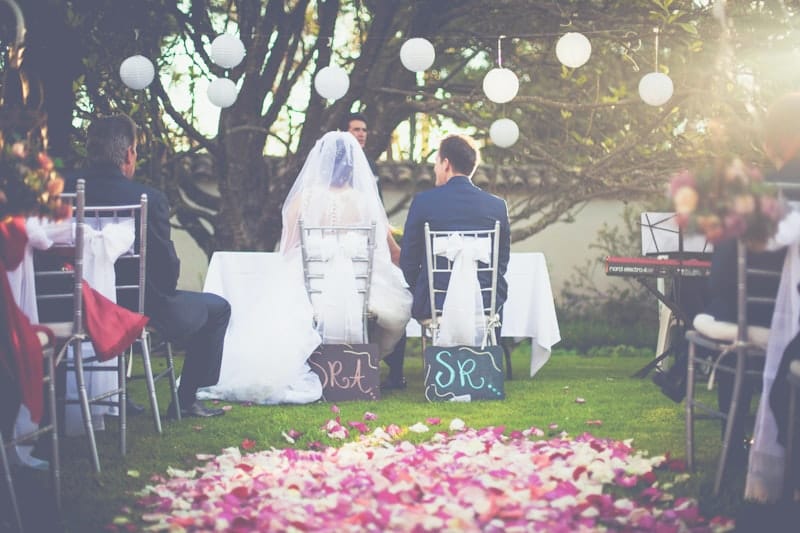
Getting legally married in Colombia opens up real visa pathways — and this is one of the most underrated reasons to formalize the marriage here rather than waiting until you get home.
If your spouse is a Colombian citizen, you're immediately eligible to apply for a Migrant Visa (Visa M — Cónyuge de Nacional Colombiano). This grants up to 3 years of legal residency with the right to work. After 5 cumulative years on migration-category visas, you can apply for a Resident Visa (Visa R), which is effectively indefinite leave to remain in Colombia.
If you're both foreigners, marriage to each other in Colombia doesn't automatically create a visa benefit — you'd each still need your own independent visa categories. The spousal pathway only applies when one partner is a Colombian citizen or a Visa R holder. Worth noting, though: having a registered Colombian marriage is recognized internationally, and your home country consulate may accept it as proof of relationship for immigration purposes.
Practical Tips From Couples Who've Done It
Start the apostille process at least 8 weeks before your target wedding date. That gives you time to handle surprises — the wrong state apostilled your birth certificate, a translation has an error, the notaría asks for one more document. Eight weeks sounds like a lot, but it disappears fast.
Name consistency matters more than you'd expect. If your birth certificate says 'Michael James Torres' but your passport says 'Michael J. Torres,' expect questions. In the US, you can often get an amended document — but it takes time. Bring every identity document you own and let the notaría staff compare them.
Once you have your cédula de extranjería — which you'll want to apply for after marriage if you're staying in Colombia — many bureaucratic processes get significantly easier. Read the full guide: How to Get a Cédula de Extranjería in Colombia
The only genuinely annoying thing about the whole process? Waiting. The 10-day publication period is mandatory, so if you have a tight visa window, plan around it. If your tourist visa runs out before the ceremony, you'll need to leave and re-enter or apply for an extension. A few couples I know scheduled the ceremony for 12 days after submission just to be safe.
Frequently Asked Questions
❓ Do I need to be a resident of Colombia to get married here?
No. You don't need residency or a Colombian visa to marry at a notaría — a tourist entry stamp is sufficient. You do need to be physically present in Colombia for both the document submission and the ceremony itself.
❓ How long does the whole process take from start to finish?
Budget 6–10 weeks from starting your apostille process to receiving your marriage certificate. The bulk of that time is getting foreign documents apostilled before you even arrive at the notaría. The notaría's own review and waiting period adds roughly 3–4 weeks on top.
❓ Is a Colombian civil marriage recognized in my home country?
In most cases, yes — Colombian civil marriages are internationally recognized. You'll usually need to register the Colombian acta de matrimonio at your home country's consulate or embassy in Colombia, or at the relevant registry office after you return home. The process varies by country; check with your consulate.
❓ Can same-sex couples get married in Colombia?
Yes. Colombia has recognized same-sex marriage since 2016. The notaría civil marriage process is identical for same-sex couples and heterosexual couples.
❓ Do I need a lawyer or notary agent to get married in Colombia?
Not legally — many couples handle the entire process themselves. A gestora or immigration lawyer can be helpful if your documents are complicated (prior marriages, unusual name inconsistencies) or if you have limited Spanish. Expect to pay $100–200 USD for a professional to manage the submissions.
Questions? Drop Them Below
Every couple's situation is a little different — prior marriages, unusual document types, tight visa timelines. If you're working through a specific scenario that doesn't fit the standard process, leave a comment and I'll do my best to help or point you in the right direction.
If you're planning the bigger move to Colombia and want regular guides on making expat life work, subscribe below — new posts go out weekly.
🇨🇴
Get the next Colombia guide in your inbox
Join 10,000+ expats and future expats. No spam, just useful guides.




Comments
Loading comments...