
Emergency Numbers & What to Do in a Crisis in Colombia
123 isn't the only number you need. Here's the complete guide to emergency services in Colombia — from ambulances to the US Embassy — plus what to do in the heat of a crisis.

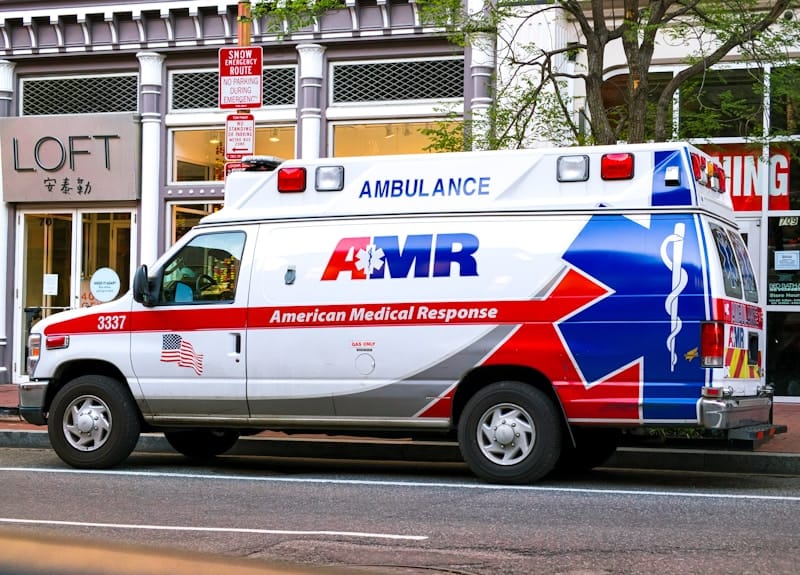
I found out about 123 the wrong way. A friend collapsed at a restaurant in Laureles — Medellín — and I stood there frozen, searching my phone for 'how to call an ambulance Colombia' while the waiter was already on it. He knew the number by heart. I didn't. That afternoon changed how I think about being prepared here.
Colombia's emergency infrastructure is more functional than the country's reputation suggests. The single number 123 covers police, ambulance, and fire nationwide — and there are specialist lines for situations that don't fit neatly into those categories. What trips most foreigners up isn't that the system doesn't work; it's that they don't know what to dial, what to say, or what happens after.
This is the guide I wish I'd had before moving here. Save these numbers now. You'll probably never need most of them — but the one time you do, you'll be glad you took five minutes to read this.
The Numbers You Need to Save Right Now
Screenshot this or save it to your notes. Share it with your partner, your travel group, or anyone you know living in Colombia.
| Service | Number | Notes |
|---|---|---|
| Universal Emergency (police / ambulance / fire) | 123 | Works from any Colombian phone, nationwide |
| Backup Emergency Line | 112 | Works without SIM credit or when roaming |
| SAMU Ambulance | 132 | Free ambulance dispatch, national service |
| Fire Department (Bomberos) | 119 | National fire line |
| GAULA (kidnapping / extortion) | 147 | Military anti-kidnapping unit, 24/7 |
| US Embassy Bogotá (emergency) | +57 601 275 2000 | 24/7 for US citizens in crisis |
| UK Embassy Bogotá | +57 601 326 8300 | British citizens |
123 — How Colombia's Emergency Line Actually Works
Call 123 for anything that requires immediate help: medical emergencies, crime in progress, fires, accidents. The dispatcher routes your call to the appropriate service. In major cities, response times are generally reasonable; in rural areas, less so.
When you call, you'll be asked a few things: your location, what's happening, and how many people are involved. The tricky part for foreigners is giving a clear address. Colombians often navigate by reference points — 'frente a' (in front of) a shop, or at a specific intersection — so knowing the nearest major corner helps. Save your home address in your phone notes before you ever need it.
Most 123 dispatchers speak Spanish only. If you can't communicate, say 'habla inglés?' — occasionally someone can help. More practically: if you have any Spanish-speaking neighbor, building security guard, or bystander nearby, rope them in immediately. Don't let language pride slow you down in an emergency.
112 works as a backup and has one important advantage: it functions even when your SIM card has no credit or you're roaming on a foreign plan. If you ever arrive in Colombia and haven't topped up a local SIM yet, 112 is your number.
Medical Emergencies: ERs, SAMU, and What to Expect
For a medical emergency, call 123 or 132 (SAMU, the national ambulance service). SAMU dispatch is free — there's no charge for the ambulance call itself. The challenge is that in some cities, especially outside Medellín and Bogotá, wait times can stretch. If you're close to a hospital and the person can be moved safely, sometimes getting there by car or cab is faster.
Major emergency rooms worth knowing about by city:
- Medellín: Hospital Pablo Tobón Uribe (private, genuinely excellent), Hospital General de Medellín (public), Clínica El Rosario
- Bogotá: Fundación Santa Fe de Bogotá (private, top tier), Hospital Santa Clara (public), Clínica del Country
- Cartagena: Hospital Universitario del Caribe, Clínica Sagrado Corazón
- Cali: Clínica Imbanaco, Hospital Universitario del Valle
One thing that surprises foreigners: Colombian public hospitals are legally required to provide emergency stabilization regardless of your insurance status. They cannot turn you away when it's a real emergency. What happens after stabilization is where the insurance question kicks in — and where bills can climb quickly at private facilities.
🛡️ Don't Forget Travel Health Insurance
Emergency care at a private Colombian clinic can run into the millions of pesos. SafetyWing's Nomad Insurance covers emergency medical treatment, hospital stays, and evacuation — and it works in Colombia from day one.
Get SafetyWing Coverage →If You're a Crime Victim: Reporting and Next Steps
Getting robbed in Colombia is an inconvenience, not the end of the world — but how you handle the aftermath matters. Step one: don't chase the thief. It's not worth it, and escalating a street robbery into a confrontation is how situations turn dangerous.
Once you're safe, file a formal denuncia (police report). You can do this at:
- Any CAI (Comando de Atención Inmediata — small neighborhood police posts). There's usually one every few blocks in major Colombian cities.
- The nearest Policía Nacional station.
- Online at fiscalia.gov.co (Spanish only, but useful for property crimes when you don't need immediate police presence).
File the denuncia even if you expect nothing to come of it. You'll need it if you're claiming on travel insurance, replacing a stolen passport at your embassy, or if any visa application asks about incidents you've been involved in. The process is usually straightforward — bring your passport or cédula and describe what happened. The officer types it up, you sign it, and you get a reference number.
Frustrating truth: police report turnaround at busy CAI stations in tourist areas can be 2-3 hours. Bring patience and something to read.
US Embassy and Other Consulates: When to Call
The US Embassy in Bogotá operates a 24/7 emergency line for American citizens. Call +57 601 275 2000 and press through to emergency services if it's after hours.
What the embassy can actually do for you:
- Emergency passport replacement — usually 1-2 business days if you have a police report and ID.
- Medical referrals — they maintain a list of local English-speaking doctors.
- Family notification — if you're incapacitated, they can reach your emergency contacts.
- Arrest notification — under the Vienna Convention, you have the right to consular access if arrested. The embassy can monitor your case and help find legal representation. They cannot get you out of jail.
- Emergency financial assistance — in extreme cases (truly stranded, all resources exhausted), they can facilitate small emergency loans for repatriation.
Other embassies in Bogotá: UK at +57 601 326 8300, Canada at +57 601 657 9800. If your country doesn't have a resident embassy in Colombia, check with your nearest neighbor country (many smaller nations route through their Mexico or Panama embassy for Colombia).
GAULA: Colombia's Anti-Kidnapping Unit
GAULA (Grupos de Acción Unificada por la Libertad Personal) operates under both the military and National Police. Call 147 if you receive an extortion threat, suspect a kidnapping, or are being threatened by an organized group.
The scam most likely to affect foreign visitors is called 'virtual kidnapping': you receive a call claiming your family member has been taken and demanding immediate payment. The caller tells you to stay on the line and not call anyone. Classic psychological pressure tactics.
The rule: hang up and immediately call the supposed victim directly. GAULA confirms these are almost always bluffs. But if you genuinely can't reach the person and panic sets in, call 147. They take these calls seriously.
Prepare Now, Before Anything Goes Wrong
Five minutes of preparation beats an hour of frantic searching. Here's what I'd do today:
- Save 123, 112, 147, and your country's embassy number in your contacts under a name like "EMERGENCY Colombia" — easy to find fast.
- Save your home address in your notes app, including the nearest cross street and a local landmark.
- Carry a photocopy of your passport (not the original) when out. If your passport is stolen, the copy significantly speeds up the embassy replacement process.
- Share these numbers with your travel companion, partner, or anyone else in your household.
- If you're staying longer than a few weeks, get health insurance — Colombian private clinics are good but not cheap.
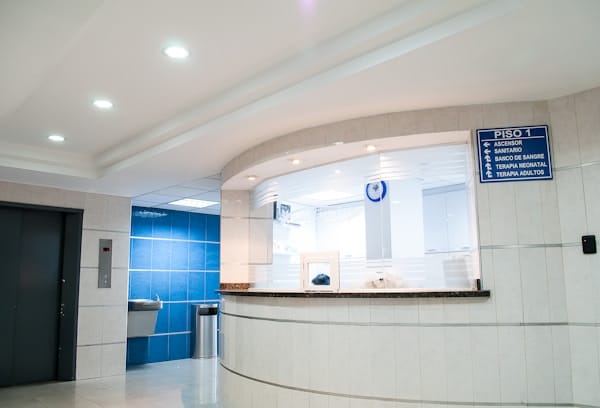
Colombia rewards preparation. The expats who have genuinely bad experiences here are usually caught off guard — the ones who thrive are the ones who understood the environment going in. Knowing 123 is step one.
Have you ever had to use emergency services in Colombia? Share what happened in the comments — your experience might help someone else. And if you found this guide useful, pass it along to whoever's planning their next Colombia trip.
Frequently Asked Questions
❓ What is the emergency number in Colombia?
123 is Colombia's universal emergency number, covering police, ambulance, and fire. You can also dial 112, which works even without SIM credit or when roaming on a foreign plan.
❓ Does 911 work in Colombia?
No. 911 is the US/Canada emergency system and doesn't work in Colombia. Use 123 (or 112 as a backup) for all emergencies.
❓ How do I report a theft or crime in Colombia?
Go to the nearest CAI (neighborhood police post) or Policía Nacional station to file a denuncia (official report). Some property crimes can also be reported online at fiscalia.gov.co. Always file a report — you'll need it for insurance claims and passport replacement.
❓ What should I do if I'm arrested in Colombia as a foreigner?
Remain calm, do not resist, and immediately ask to contact your country's embassy. Under the Vienna Convention, you have the right to consular notification. The embassy can monitor your case and connect you with a local lawyer, though they cannot intervene in the legal process directly.
❓ Is ambulance service free in Colombia?
SAMU ambulance dispatch (call 132 or 123) is free of charge. Treatment at public hospitals is provided regardless of insurance in a genuine emergency. Private hospitals and clinics bill separately — which is why having health insurance is important for anyone spending extended time in Colombia.
🇨🇴
Get the next Colombia guide in your inbox
Join 10,000+ expats and future expats. No spam, just useful guides.

Comments
Loading comments...