
Coffee Region Colombia: Complete Eje Cafetero Travel Guide
The Eje Cafetero — Colombia's Coffee Axis — is one of the country's most rewarding destinations. Here's your complete guide to Salento, Cocora Valley, coffee farm tours, hot springs, and the best villages in the region.

The first time I walked into Salento at dusk, I wasn't prepared for how quiet it was. After months in Medellín, the sound of horses clopping down a cobblestone street felt almost cinematic. A guy in a poncho was selling buñuelos from a cart. The mountains behind the town were still catching the last of the light. I'd only planned to stay two nights. I ended up staying five.
The Eje Cafetero — the Coffee Axis — is Colombia's heartland. It covers three departments (Caldas, Risaralda, and Quindío) and sits in the central Andes at elevations between 1,300 and 2,200 meters. It's the source of most of Colombia's world-famous coffee, and the landscape reflects it: endless green hillsides blanketed in coffee shrubs, colonial towns painted in bright colors, and valleys so absurdly beautiful they look AI-generated.
This guide covers the whole region — Salento and the Cocora Valley, the three main cities (Manizales, Pereira, Armenia), the hot springs, the pueblos patrimonio, and exactly how to plan your time so you don't waste it. Whether you're coming for a long weekend from Medellín or building a full week-long trip, here's what you actually need to know.
Getting to the Eje Cafetero
From Medellín, Pereira is about 3.5–4 hours by bus, making it the most practical entry point. Bolivariano and Expreso Brasilia both run frequent departures from Terminal del Norte. The road winds through serious mountain scenery — bring motion sickness tablets if you need them. Armenia is another option if you're coming from the south (about 6 hours from Medellín, or 4 hours from Bogotá). You can also fly directly: Aeropuerto Internacional Matecaña in Pereira has flights from Bogotá (45 minutes, from around $40 USD on Wingo or JetSMART).
Once you're in the region, Salento is 50 minutes from Armenia by bus (frequent departures, ~5,000 COP). You can also take a shared jeep (chiva) from the main plaza in Salento to Cocora Valley for about 3,500 COP each way. Renting a car or using a private driver gives you the most flexibility, especially if you want to hit multiple towns. See our guide on domestic flights in Colombia if you're flying in.
Salento: The Town Everyone Comes For
Salento is the most visited town in the Eje Cafetero, and it earns it. It's compact, walkable, and absurdly photogenic — the central plaza (Real Square) is ringed by brightly painted colonial buildings, and Calle Real is lined with cafés, artisan shops, and places selling the local cocktail: a chontaduro (palm fruit) aguardiente mix that tastes better than it sounds.
The market on weekends is worth timing your visit around. Local farmers bring produce, cheese, and coffee. The town has a solid range of accommodation from budget hostels (60,000–100,000 COP/night in a dorm) to nicer boutique fincas outside town (300,000–600,000 COP for a private room with meals). Salento fills up on long weekends and in January, so book ahead if you're going then.
One honest note: Salento can feel overrun on a Saturday in July. If you want the quieter version of it — horses, empty plazas, locals eating lunch — come on a weekday.
Cocora Valley: The Wax Palms Are Real
The Cocora Valley hike is one of the best things you can do in Colombia, full stop. The wax palms (Ceroxylon quindiuense) — Colombia's national tree — grow up to 60 meters tall and look genuinely otherworldly against a misty green valley. The standard circuit takes 3.5–5 hours and includes a stretch through cloud forest, a hummingbird sanctuary (Acaime), and the palm-studded valley itself.
A few logistics worth knowing: start the hike early (before 9am if possible) to beat the crowds and clouds. The trail gets muddy after rain — bring boots or waterproof shoes. Entrance to Acaime costs 3,000 COP and includes a cup of hot chocolate, which is the right way to drink hot chocolate. The jeeps from Salento leave every 20–30 minutes from the main square.
Coffee Farm Tours Around Salento
You can't come to the Coffee Region and skip a farm tour. Dozens of fincas around Salento offer them. The better ones walk you through the entire process: picking ripe cherries by hand, depulping, fermenting, drying, and roasting. You end up with a cup of coffee that was growing on a bush 90 minutes ago. Most tours cost 30,000–60,000 COP and run 2–3 hours.
Finca El Ocaso is the most-visited and well-organized. Finca La Sirena is smaller and more intimate. If you want something off the main tourist circuit, ask your hostel for a recommendation — most places have relationships with smaller farms that don't appear on booking platforms.

The Three Cities: Manizales, Pereira & Armenia
Most visitors treat Pereira or Armenia as a transport hub and bolt to Salento immediately. That's understandable, but the cities each have something worth at least a day — especially if you've already done Salento.
Manizales
Manizales is my favorite of the three. It's a proper Andean city — steep streets, a strong university presence (Universidad de Caldas, Universidad de Manizales), and a locals-first vibe that hasn't been smoothed out for tourism. The Cable Aéreo gondola gives you views over the city and the coffee farms below. The Catedral Basílica de Manizales is striking, and the Recinto del Pensamiento — a botanical garden and butterfly sanctuary — is worth a few hours.
Manizales also sits right next to Los Nevados National Park and the Nevado del Ruiz volcano. You can take guided tours to the snow-capped crater (when conditions allow — the volcano is active, and access is sometimes restricted). It's one of the stranger experiences available in Colombia.
Pereira
Pereira is the region's largest city and main transport hub. It's not the most charming place — it was largely rebuilt after a 1999 earthquake — but it has good infrastructure, a decent food scene along Avenida Circunvalar, and it's where most long-distance buses and flights land. Most people pass through rather than linger. If you do stay a night, the Centro Comercial Victoria and the Bolívar sculpture in the central plaza (a nude on horseback, which caused quite a stir) are the main highlights.
Armenia
Armenia is the capital of Quindío and a more practical base than Salento if you want to explore multiple towns in the department. The Parque de la Vida is nice, and it's closer to the Jardín Botánico del Quindío, which has a butterfly house and a great collection of wax palms. For most travelers though, Armenia is where you change buses.

Hot Springs: Worth the Trip
The Eje Cafetero has some of the best hot springs in Colombia, fed by volcanic activity from Los Nevados. Two stand out:
Termales de Santa Rosa de Cabal (near Pereira) is the most accessible. It's a proper thermal resort with multiple pools at different temperatures, waterfalls, and restaurant facilities. The complex costs around 60,000–90,000 COP for day access. Go on a weekday if you can — weekends it can feel like a crowded water park rather than a mountain soak.
Termales del Ruiz (near Manizales) is higher altitude and more dramatic — you're soaking at over 3,000 meters with views of the Andean cloud forest. It's colder outside, which makes the warm pools feel incredible. The drive up from Manizales is part of the experience. Access costs around 50,000 COP.
Smaller Villages Worth a Detour
The Eje Cafetero has a cluster of pueblos patrimonio — colonial towns preserved under national heritage protection. Two are especially worth it:
Filandia sits above the Quindío valley with panoramic views and a watchtower mirador (El Mirador) that gives you one of the best sunrise views in the region. It's quieter than Salento and more authentic. Coffee, arepas, and almost nobody trying to sell you anything.
Pijao has been gaining attention as a 'slow food' destination — it's the first Cittaslow-certified town in Colombia. Good food, no stress, and a laid-back vibe that Salento's busier days have largely lost.
How Long Do You Actually Need?
Long weekend (3 days): Salento + Cocora Valley + one coffee farm tour. This is the minimum to feel like you've done the region justice — not a rush, but no room for the cities or hot springs.
Five days: Add Manizales and the hot springs, or swap Manizales for Filandia if cities aren't your thing. You'll hit the highlights without feeling like you're on a tour bus schedule.
One week: The full circuit — Salento, Cocora, Manizales, Los Nevados (conditions permitting), Termales, and a couple of villages. This is the version I'd recommend if you have the time. The region rewards slow travel.
Where to Stay
In Salento: Plantation House Hostel (one of the best hostels in Colombia, period), Hostal El Viajero Salento, or one of the finca-style guesthouses on the road toward Cocora. Finca Don Elias is reliable and family-run.
In Manizales: Hotel Estelar Recinto del Pensamiento, or one of the smaller boutique places near Avenida Santander. There are good Airbnbs in the residential neighborhoods above the city with mountain views.
In Pereira: Most people book a night near the bus terminal or airport and leave early. Decent options exist around Circunvalar.
🛡️ Don't Travel Colombia Without Insurance
The Eje Cafetero involves mountain hiking, bus rides, and outdoor activities. SafetyWing covers emergency medical, trip interruption, and evacuation — starting at around $2/day for most travelers.
Get SafetyWing Coverage →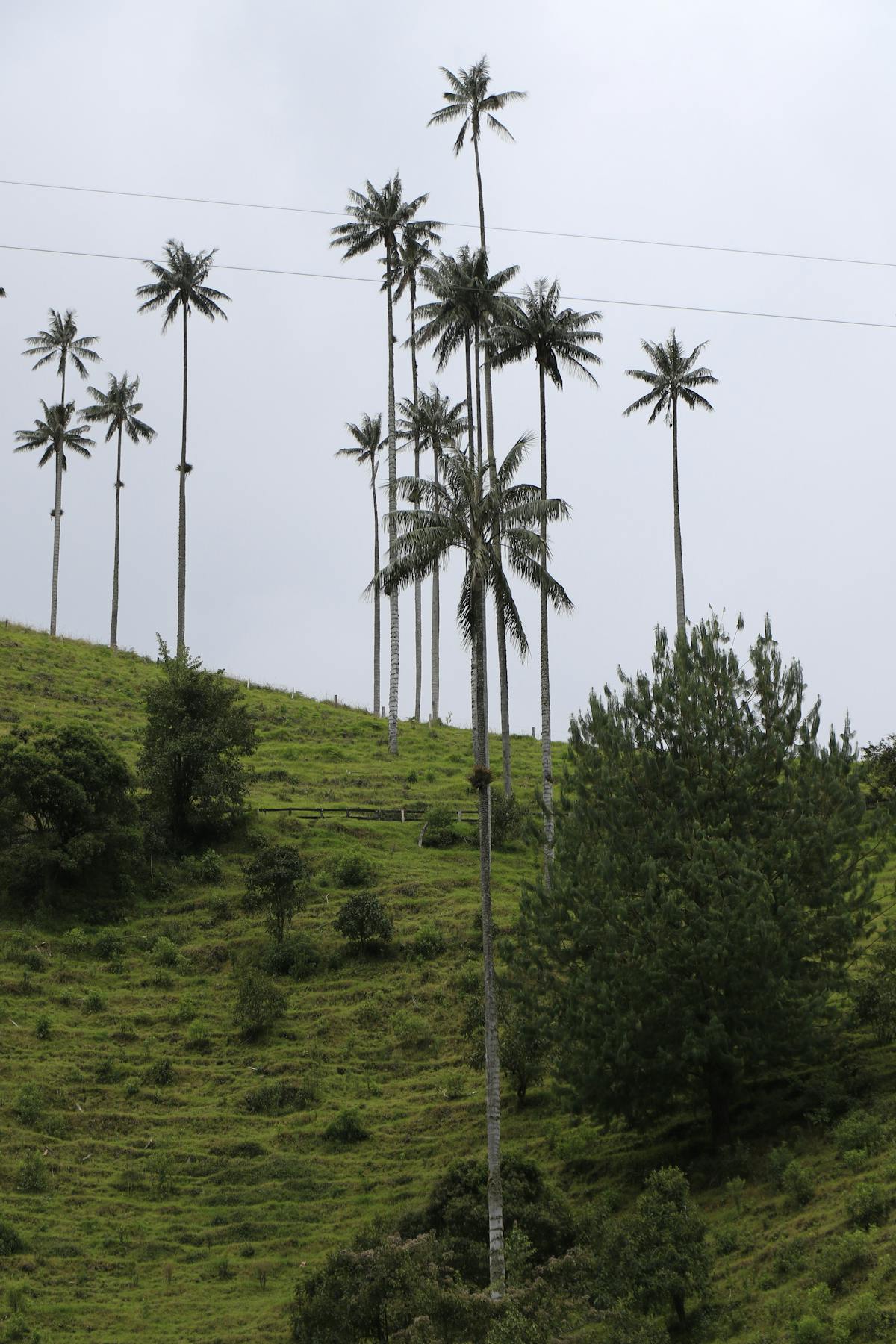
Frequently Asked Questions
❓ How do I get from Medellín to Salento?
Take a bus from Medellín's Terminal del Norte to Armenia (about 5–6 hours, 40,000–55,000 COP) and then a local bus or shared taxi from Armenia to Salento (45 minutes, 5,000–7,000 COP). Alternatively, bus to Pereira (3.5 hours) and connect from there. Flying to Pereira and then taking a bus to Armenia/Salento is the fastest option if you're short on time.
❓ Is the Cocora Valley hike difficult?
It's moderate. The circuit is about 10–12km and takes 3.5–5 hours depending on your pace. There are some steep sections and the terrain gets slippery after rain. You don't need hiking experience, but proper footwear matters — sneakers work in dry conditions, but rubber boots (available for rent in Salento for 5,000–8,000 COP) are better if it's been raining.
❓ What's the best time to visit the Eje Cafetero?
December–March and June–August are the drier months. The Eje Cafetero gets significant rainfall (it's cloud forest territory), but even in the wet season you'll typically get mornings that are clear before the afternoon mist rolls in. Plan outdoor activities like Cocora for the morning. January is peak domestic tourist season — expect crowds in Salento.
❓ Can I do a coffee tour without speaking Spanish?
Yes, though your options narrow. Finca El Ocaso near Salento offers English-language tours (book ahead online). For other farms, guides will often switch to whatever basic English they have, or your hostel can arrange a bilingual guide for a bit extra. Even without language, the process is visual enough to follow.
❓ Is the Eje Cafetero safe for solo travelers?
Generally yes. Salento, Filandia, and the main tourist zones are well-traveled and safe. Standard precautions apply — don't flash expensive gear, don't hike the Cocora Valley solo late in the afternoon (it's very isolated once you're in the cloud forest section), and be aware of your surroundings in city bus terminals. Rural areas outside the main tourist circuit are quieter but not especially risky.
The Eje Cafetero is one of those places that makes you understand why people end up staying in Colombia longer than they planned. If you've been to Medellín and Cartagena and want to see a different side of the country — this is it.
Planning a longer stay? Check out our breakdown of the best cities in Colombia for expats — the coffee region cities like Manizales and Pereira often get overlooked but are worth serious consideration.
Have you been to the Eje Cafetero? Drop a comment below — I'd love to hear which town was your favorite, or if you found a hidden finca tour I should add to this guide. And if this helped you plan your trip, share it with someone who's been putting off the coffee region too long.
🇨🇴
Get the next Colombia guide in your inbox
Join 10,000+ expats and future expats. No spam, just useful guides.




Comments
Loading comments...