
Can You Drink the Tap Water in Colombia? A City-by-City Guide
Is Colombia's tap water safe to drink? The answer depends on the city — and your building's pipes. Here's the honest city-by-city breakdown.
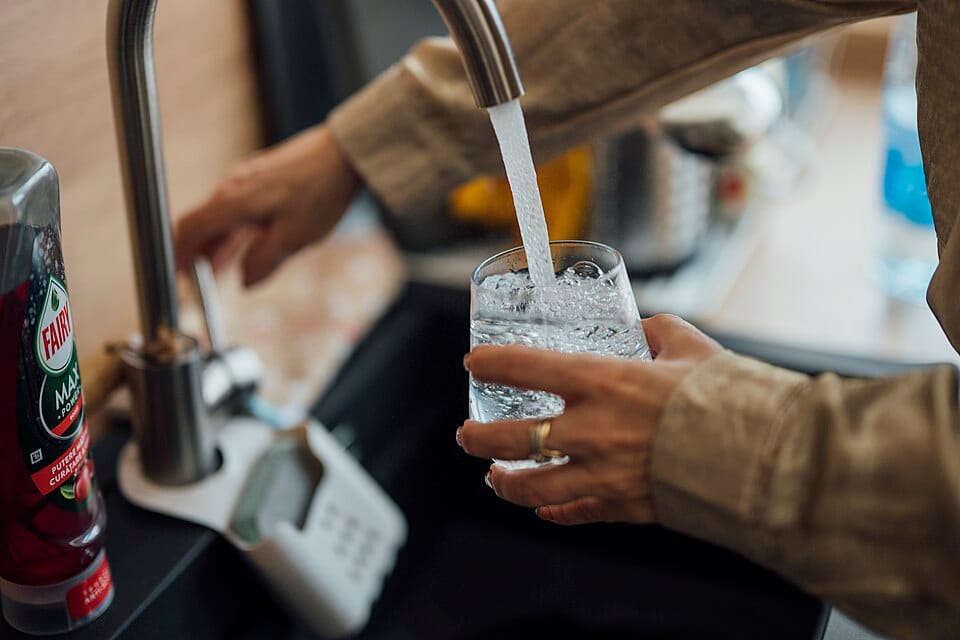
My first week in Medellín, I did what most new arrivals do — hauled a 5-gallon botellón up three flights of stairs, convinced Colombian tap water was a guaranteed stomach disaster. Then my neighbor watched me struggle and laughed. "The water here is fine," she said. "Better than a lot of cities in the U.S., honestly."
She wasn't wrong — at least not about Medellín. But the truth about tap water in Colombia is more complicated than a simple yes or no. The answer changes depending on which city you're in, which neighborhood, and honestly, which building's pipes are carrying that water to your kitchen.
I've now lived across different cities in Colombia, talked to locals and expats, and read actual water quality reports from the utilities. Here's what you actually need to know — without the paranoia and without the naive "it's totally fine everywhere" line you'll hear from some travelers.
The Short Answer
In Medellín and Bogotá, tap water is technically potable — it meets government safety standards and most locals drink it directly. In Cartagena and most coastal cities, filter it or stick to botellones. In rural areas, always treat the water first. The wildcard in any city is your building's pipes, not the treatment plant.
If you want the one-line version: bring a pitcher filter and you'll be fine anywhere in Colombia.
City-by-City Water Quality in Colombia
Medellín — Better Than You'd Expect
Medellín's water is managed by EPM (Empresas Públicas de Medellín), one of the best-funded utilities in the country. Their treatment process uses multiple filtration stages, and they publish quality reports that are regularly audited. I've been drinking tap water in Poblado and Laureles without filtering it and without issues.
The real variable is your building. Newer apartment complexes in Medellín are almost certainly fine. An older casa in a traditional barrio might have aging galvanized pipes that introduce rust even when the source water is clean. If you're in an older building, run the tap for a minute first and consider a basic pitcher filter for peace of mind.
Bogotá — Safe But Tastes Like a Swimming Pool
The capital's water comes from the EAAB (Empresa de Acueducto y Alcantarillado de Bogotá) and is officially potable. Many Bogotanos drink it straight. The issue isn't safety — it's the strong chlorine taste. At 2,600 meters, everything feels slightly different anyway, but the mineral profile and chlorination level in Bogotá's water is noticeably sharper than Medellín.
I run it through a pitcher filter when staying in Bogotá longer than a few days. Not because I think it's unsafe, but because the taste alone gets old quickly. Your call.
Cali — Decent in Most Areas, Inconsistent at the Edges
EMCALI handles Cali's water, and in the mid-to-upper neighborhoods — Chipichape, El Peñón, Granada — it's generally fine. The inconsistency shows up in peripheral areas and informal settlements where water pressure issues and older infrastructure create gaps in reliability. A pitcher filter is a cheap insurance policy if you're outside the central parts of the city.
Cartagena — Be Cautious Here
This is the city where I'd be most careful. The treatment plant water meets Colombian standards, but Cartagena has aging distribution infrastructure, extreme heat, and ongoing pressure issues. By the time the water travels through pipes in many neighborhoods — Bocagrande, Getsemaní, even parts of the old city — it's less reliable than what comes out of the plant.
Most expats and locals I know in Cartagena use filtered water for drinking and cooking without a second thought. Botellones (the 20-liter jugs delivered to your building) are the standard. I'd follow the locals on this one.
Barranquilla, Santa Marta & Other Coastal Cities
Similar story to Cartagena — hot climate, older pipes in many areas, and infrastructure that hasn't kept pace with population growth. These cities have made improvements in recent years, but the safe assumption remains: filter it or use botellones for drinking and cooking.
Smaller Towns and Rural Colombia
Outside major cities, don't drink unfiltered tap water without knowing the local system. Towns like Salento, Mompox, or anywhere rural can have local water systems that vary wildly. A travel filter like a Sawyer Squeeze weighs almost nothing and eliminates the uncertainty. I pack one whenever I'm leaving the big cities.
Why Tap Water Quality Varies So Much Across Colombia
Three factors explain most of the variation you'll see:
Treatment plant quality vs. distribution pipes: Colombia's major utilities can treat water to a high standard at the source. The breakdown often happens in the distribution network — especially in older neighborhoods where pipes haven't been replaced in decades.
Socioeconomic estrato: Higher-estrato neighborhoods typically have newer, better-maintained infrastructure. Lower-estrato areas, especially informal settlements, face more pressure fluctuations and older pipe materials.
Building age: Colombia's construction boom has produced many newer buildings with proper PVC or copper plumbing. Pre-1990s buildings — especially in city centers — often have old galvanized pipes that rust and can introduce contaminants even when the incoming water is clean.
Filtration Options You Can Get in Colombia
You don't need to bring a suitcase full of gear — Colombia has decent filtration options at local stores and online.
Pitcher filters (Brita-style): Available at Éxito, Jumbo, Alkosto, and most D1 stores. Cost: 80,000–150,000 COP for the pitcher; replacement filters 30,000–50,000 COP. Effective at removing chlorine and improving taste. This covers you in Medellín, Bogotá, and Cali.
Under-sink filters: Available through ferreterías and via delivery apps. Cost: 250,000–600,000 COP installed. If you're renting long-term in Cartagena or a coastal city, worth the one-time investment. Many longer-term expats have these in their apartments.
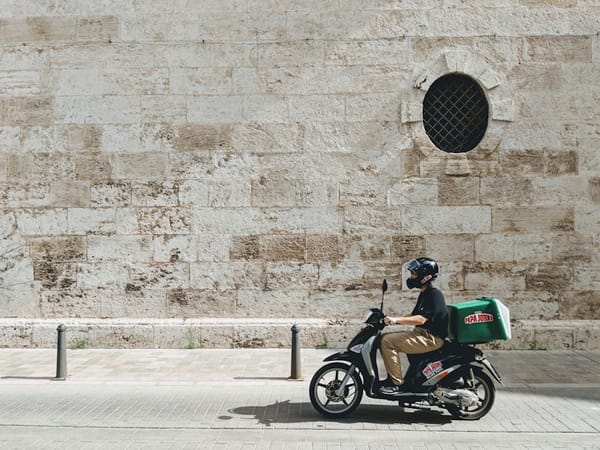
Botellones (20L jugs): The Colombian standard. These huge water jugs are delivered street-by-street, usually by guys on motorcycles. Cost: about 3,000–5,000 COP per jug, with a deposit on the bottle itself. For a couple, one lasts about a week. It's what most Colombian families use regardless of city.
Travel filters (Sawyer, LifeStraw): Bring these from home. They're difficult to find in Colombia and significantly more expensive when you do. Essential for rural travel or extended time outside major cities.
Buying Bottled Water in Colombia
Bottled water is cheap here. A 600ml bottle at a tienda costs 1,500–2,500 COP (roughly $0.35–$0.60 USD). In a tourist restaurant, maybe 3,500–5,000 COP. Common brands: Cristal, Manantial, Brisa, and Oasis. The supermarket house brands are often just repackaged utility water anyway.
For day-to-day living, individual plastic bottles are the expensive and wasteful option. A pitcher filter at home plus a good reusable bottle is cheaper in a month than a week of buying singles. The botellón delivery system is the practical middle ground — especially if you don't love the taste of your building's tap water but don't want to deal with daily bottle runs.
Practical Tips for Expats and Travelers
Ask your landlord or building manager about the pipe age and whether the building has a water tank (tanque) with any filtration. Many apartment buildings pump water into rooftop tanks which can introduce their own quality issues if not cleaned regularly.
Run the tap for 30–60 seconds in the morning before drinking — this clears any standing water in the pipes from overnight and is good practice in any older building.
Stomach adjustment is real: Even clean water with different mineral content than what you're used to can cause mild digestive upsets the first week. This is your gut adjusting, not the water being unsafe. It passes.
Ice in restaurants: In formal restaurants in major cities, ice is made from filtered or treated water. In small local spots or rural areas, ask. When in doubt, skip the ice — it's a minor sacrifice.
If you're managing prescription medication or have specific health needs, check out our guide to pharmacies and medication in Colombia for additional health precautions.
Frequently Asked Questions
❓ Is tap water safe to drink in Medellín?
Yes — EPM treats Medellín's water to a high standard and it's officially potable. Most locals drink it directly. The main risk factor is your building's pipe age. In a newer apartment, you're almost certainly fine. In an older building, a pitcher filter is cheap insurance.
❓ Can you drink tap water in Bogotá?
Yes, it meets government potability standards. The strong chlorine taste bothers some people but isn't a health issue. Many residents filter it purely for taste. In normal residential areas of Bogotá, the water is safe to drink.
❓ Is tap water in Cartagena safe?
Be cautious. The treatment plant meets standards, but aging pipes in many neighborhoods mean the water quality at your tap can be variable. Most expats and locals in Cartagena use filtered or botellón water for drinking and cooking. I'd do the same.
❓ How much does bottled water cost in Colombia?
A 600ml bottle runs 1,500–2,500 COP (~$0.35–$0.60 USD) at a local tienda. A 20-liter botellón delivered to your apartment costs about 3,000–5,000 COP (~$0.70–$1.20 USD) — the most economical option for regular home use.
❓ Should I bring a water filter to Colombia?
If you're traveling to rural areas or coastal cities, yes — a travel filter like a Sawyer Squeeze is worth the small packing space. For long stays in Medellín or Bogotá, a locally-bought pitcher filter does the job. In major cities, this is comfort rather than necessity for most people.
Your Turn
Had a different experience with tap water somewhere in Colombia? Drop a comment below — I've heard wildly different stories from expats in the same neighborhoods, and the reality on the ground is always more nuanced than any guide can capture. If you found this useful, share it with someone planning their move. The water question is one of the first things everyone asks.
🇨🇴
Get the next Colombia guide in your inbox
Join 10,000+ expats and future expats. No spam, just useful guides.


Comments
Loading comments...