
Domestic Flights in Colombia: Airlines, Tips & Cheap Tickets
Everything you need to know about flying domestically in Colombia: the best airlines, how to find cheap tickets, luggage rules, and what to expect at major airports.

I booked my first domestic flight in Colombia from Bogotá to Medellín on a whim. Forty-five minutes in the air, and I saved myself an eight-hour bus ride. The flight cost me about $25 USD on Wingo. That's when I understood why Colombians fly so casually between cities — the distances are big, the roads are long, and the airfares can be genuinely cheap if you know when to look.
Domestic air travel is one of the underrated perks of living here. Colombia has a dozen or so commercial airports spread across the country, and because geography makes road trips a pain (mountains, jungle, weather), flights are often the only sensible option to cities like San Andrés, Leticia, or even Cali on a tight schedule. The catch is that the pricing varies wildly, the airlines have different reputations, and the luggage rules will catch you off guard if you don't read the fine print.
This guide covers the main domestic airlines operating in Colombia, how to actually find cheap tickets, what to expect at the airports, and a few hard-earned lessons that will save you money and frustration. Whether you're planning a weekend trip to the Coffee Region or relocating between cities, you'll want to bookmark this.
The Main Domestic Airlines in Colombia
Colombia has four main players in domestic aviation right now. They're not equal — in price, reliability, or service — so here's the honest breakdown.
Avianca
Avianca is the flag carrier and the most recognizable Colombian airline internationally. It's also the most expensive option for domestic routes. That said, Avianca has better on-time performance than the budget carriers, more route coverage in smaller cities, and a frequent flyer program (LifeMiles) that's actually worth using if you fly regularly.
I'd book Avianca when I need reliability — for a connection to an international flight, for example, or for a route that only Avianca covers. For Medellín–Bogotá on a Tuesday afternoon? Skip it and go Wingo.
Wingo
Wingo is the budget offshoot of Copa Airlines and honestly one of the better deals in Colombian aviation right now. They fly major routes: Bogotá–Medellín, Bogotá–Cali, Bogotá–Cartagena, Bogotá–San Andrés. Prices can dip below 100,000 COP (roughly $25 USD) if you're flexible and book early.
The catch with Wingo: luggage is extra. Their base fare includes only a personal item (under 10kg that fits under the seat). A carry-on bag costs about 50,000–80,000 COP each way, and a checked bag runs 70,000–120,000 COP. So that $25 flight can quietly become a $50–60 flight once you add a bag. Still cheap, but know what you're buying.
JetSMART
JetSMART entered the Colombian market a few years ago and has been genuinely competitive on price. They've picked up a good number of routes — including Medellín–Barranquilla, Bogotá–Bucaramanga, Cali–Santa Marta — and their fares rival Wingo's. Same deal on luggage: ultra-bare-bones base fare, every add-on costs extra.
The airline's reliability has improved since they launched in Colombia. Early reviews were rough (lots of delays, cancellations), but the consensus now is that they're a solid budget option. Just don't cut it close with connections.
LATAM Colombia
LATAM is the South American giant, and their Colombian domestic operation sits somewhere between Avianca and the ultra-budget carriers in both price and service. They're worth checking, especially on routes where Avianca has a monopoly — LATAM sometimes undercuts them significantly. Their app is decent and their check-in process is smooth.

How to Find Cheap Domestic Flights in Colombia
The pricing logic on Colombian domestic routes is a bit different from what you might be used to in North America or Europe. A few things I've noticed after booking dozens of flights:
Book 2–6 Weeks in Advance (Usually)
Prices for domestic Colombian routes tend to be cheapest in the 2–6 week window before travel. Book too far out (3+ months) and you'll often pay mid-range fares before the discounts hit. Book within a week and you'll pay a premium. The sweet spot is around 3–4 weeks for most routes. That said, holiday periods — Semana Santa, late December, Feria de Cali, Carnaval de Barranquilla — are different. Those fill up fast and prices spike weeks in advance.
Use the Airline Websites Directly
Skyscanner and Google Flights are useful for a quick overview, but I've consistently found that booking directly on the airline's website (Wingo, JetSMART) shows slightly lower fares or additional promo rates that third-party sites miss. Also, if your flight is delayed or cancelled, dealing with an airline directly is much less painful than going through an OTA.
Be Flexible on Departure Time
Early morning and late-night flights are almost always cheaper. The 6 AM Bogotá–Cali on Wingo might cost half what the noon departure runs. If you can stomach a 5 AM alarm, you'll save real money. Midweek is also consistently cheaper than Friday or Sunday.
Watch for Flash Sales
Both Wingo and JetSMART run regular flash sales — often with 24–48 hours notice. Following their Instagram accounts or subscribing to their email lists is actually worth it here. I've snagged Bogotá–San Andrés for under 150,000 COP one-way from a Wingo promo.
Compare the Real Final Price
Always add your luggage before comparing fares between airlines. A 100,000 COP Wingo base fare plus 90,000 COP for a checked bag is 190,000 COP — potentially more expensive than an Avianca fare at 180,000 all-in. Do the real math before clicking buy.

Luggage Rules: What Actually Fits What
This is where most first-time flyers on Colombian budget airlines get burned. Here's the quick breakdown for the main carriers as of early 2026:
Avianca: carry-on bag (10kg, fits in overhead) included in most fares. Checked bag extra, depending on fare class. Their 'Go' fare is bare-bones; 'Change' and 'Plus' fares include more.
Wingo: personal item only (10kg under seat) in base fare. Carry-on overhead costs extra. Checked bag costs extra. They're strict at the gate about bag sizes — I've seen them weigh personal items.
JetSMART: same logic as Wingo. Base fare = personal item only. Any overhead bag or checked bag is an add-on.
LATAM: typically includes a carry-on overhead in most fares. Check the specific fare class when you book.
The annoying thing: if you add a bag at the airport instead of during booking online, you'll pay 30–50% more. Always add luggage at the time of booking or at least a day before the flight.
Colombia's Main Airports: What to Expect
El Dorado International — Bogotá (BOG)
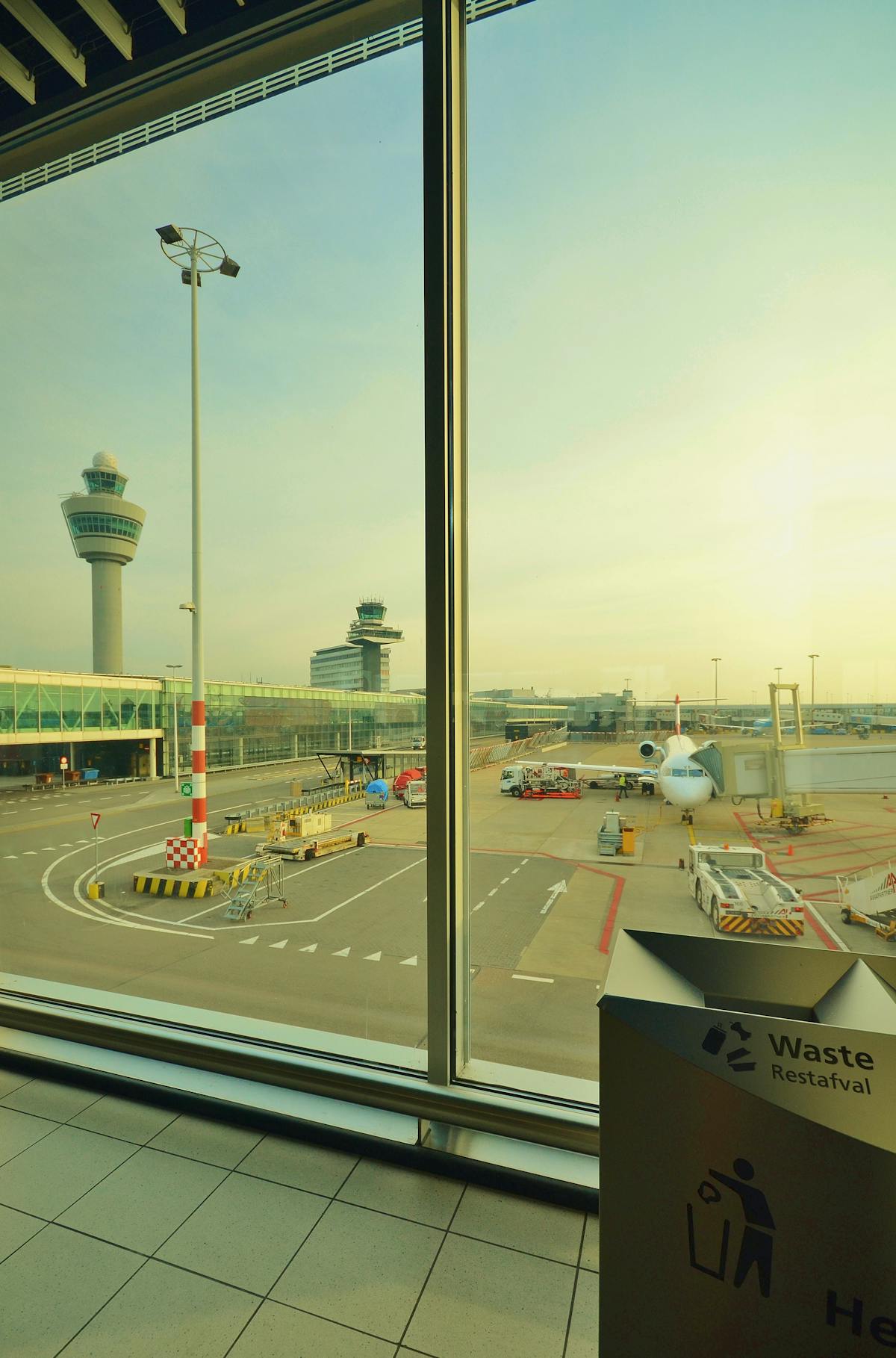
This is the country's main hub and one of the busiest airports in Latin America. The domestic terminal (Terminal 2) is separate from the international one. Getting between them requires a shuttle bus or a walk — factor in at least 20–25 minutes if you're connecting. The airport itself is modern and well-run. Security lines can get long during morning rushes (6–8 AM), so arrive 75–90 minutes before domestic flights.
José María Córdova — Medellín (MDE)
The main Medellín airport is actually in Rionegro, about 45 minutes from El Poblado (more like 75 minutes in heavy traffic). This is a critical thing to factor in for scheduling — I'd say most people underestimate the travel time from the airport to the city center. There's also a smaller regional airport, Olaya Herrera (EOH), which is actually inside Medellín and handles a few short-hop routes. If you're flying Bogotá–Medellín, double-check which airport your flight uses.
Alfonso Bonilla Aragón — Cali (CLO)
Cali's airport is about 15–20 minutes from the city. Compact, manageable, and typically not as hectic as Bogotá or Medellín. The usual budget carriers fly here. Cali is also a great jumping-off point for trips into the Pacific coast (Buenaventura) or north to Palmira and the coffee region.
Rafael Núñez — Cartagena (CTG)
Cartagena's airport is famously close to the city — you can practically see it from Bocagrande. About 10 minutes in a taxi from the old city walls. It's a popular domestic destination, especially for Colombians visiting the coast, so prices on Bogotá–Cartagena can spike during holidays. Book early for long weekends.
Other Notable Airports
San Andrés (ADZ) is an island destination that requires a tourist card (tarjeta de turismo) to enter — you'll get this at the airport when you arrive, usually for about 100,000 COP. Barranquilla (BAQ), Santa Marta (SMR), Bucaramanga (BGA), Pereira (PEI), and Leticia (LET) in the Amazon also have regular domestic service.
Practical Tips Before You Fly
Check In Online
All four major airlines let you check in online 24 hours before departure. Do it — it saves time at the airport and sometimes gets you a slightly better seat. JetSMART and Wingo charge a small fee if you check in at the airport counter instead.
Arrive Early, Especially in Bogotá
I've missed a domestic connection once because I assumed the 45-minute buffer at El Dorado was fine. It wasn't. The domestic terminal in Bogotá can have long security lines, and if you're coming from the international terminal, add the shuttle time on top. Budget 90 minutes minimum, and two hours if you're flying out of a major rush-hour window.
Have a Colombian Phone Number for Ticket Confirmation
Some budget airline apps are finicky about international numbers for SMS verification. If you don't have a local Colombian SIM card yet, you can still book using email confirmation — just make sure you have the PDF downloaded before you go offline. Colombians rely heavily on WhatsApp for everything, including airline updates, so having a local number helps.
Understand Weather Delays
Colombia's mountain geography means weather delays are genuinely common, especially in Medellín and Bogotá. The ITCZ weather patterns can ground flights for hours in April–May and October–November. If you're booking a tight connection, pad it or consider flying out the day before.
Flying with Pets
Colombia allows small pets in-cabin on some routes — but the rules vary significantly by airline. Avianca has the most established pet program. Budget carriers often don't allow pets in-cabin at all, or restrict it to checked baggage in cargo. Call the airline directly before booking if you're traveling with an animal.
Planning to travel around the country? See our guide to bus travel in Colombia — sometimes the bus is actually worth it.
Getting Around Once You Land
A quick note on ground transport from airports, since this is where costs add up unexpectedly. Bogotá's El Dorado has official taxi counters inside the airport with fixed-rate tickets to zones in the city — use those. They're more expensive than an Uber but safer than negotiating outside. Medellín's José María Córdova has a fixed taxi rate system too (look for the yellow slip at the taxi booth), and the ride to El Poblado usually runs about 80,000–90,000 COP.
Uber works at most Colombian airports but drivers sometimes struggle to access pickup zones. InDrive and DiDi are good alternatives worth downloading before you land.
Frequently Asked Questions
❓ What is the cheapest airline for domestic flights in Colombia?
Wingo and JetSMART consistently have the lowest base fares on Colombian domestic routes, often 30–50% cheaper than Avianca on the same route. The catch is that luggage is not included — every bag costs extra. For budget travelers packing light, they're hard to beat. For anyone with a checked bag, run the numbers first.
❓ How early should I arrive for a domestic flight in Colombia?
At minimum, 75 minutes before departure. At Bogotá's El Dorado, make it 90–120 minutes, especially during morning peak hours (6–9 AM) or holiday weekends. The domestic security lines can take 30+ minutes when crowded, and there's no expedited lane for domestic travelers.
❓ Do I need a passport for domestic flights in Colombia?
Colombian citizens can fly domestically with their cédula (national ID card). Foreigners need to carry their passport. Some airlines also accept a cedula de extranjería if you have one, but your safest bet as a foreigner is always the passport. Make sure it has at least some validity remaining — airlines occasionally flag passports expiring within 6 months even for domestic travel.
❓ Is there a tourist tax to visit San Andrés island?
Yes. San Andrés is a Special Economic Zone (ZEIKY), and all visitors — Colombian and foreign — must buy a tarjeta de turismo at the airport on arrival. As of 2026, the fee is around 98,800 COP for foreigners. You pay at a booth in the arrivals hall before exiting. It's quick and you just need your passport.
❓ Can I use Avianca LifeMiles for domestic Colombian flights?
Yes, LifeMiles work on Avianca's domestic routes. You can redeem miles for award flights within Colombia, though the redemption rates are most valuable on longer international routes. If you're flying Avianca regularly — especially Bogotá–Medellín multiple times a month — signing up for LifeMiles is worth it. Miles don't expire as long as you have account activity every 12 months.
Ready to Explore Colombia?
Domestic flights are one of the best tools you have for actually seeing this country — it's bigger than most people expect, and the roads between cities are long. Once you've got a couple of airlines downloaded and understand the luggage rules, the whole country opens up.
Got a tip about a particular route or airline that saved you money? Drop it in the comments — Colombian aviation has a lot of local knowledge that doesn't show up in any guide. And if you found this useful, share it with someone who's planning their first trip around Colombia.
🇨🇴
Get the next Colombia guide in your inbox
Join 10,000+ expats and future expats. No spam, just useful guides.




Comments
Loading comments...