
Colombia vs Mexico for Expats & Digital Nomads
An honest, first-person comparison of Colombia and Mexico for expats and digital nomads — covering cost of living, visas, safety, healthcare, and quality of life.
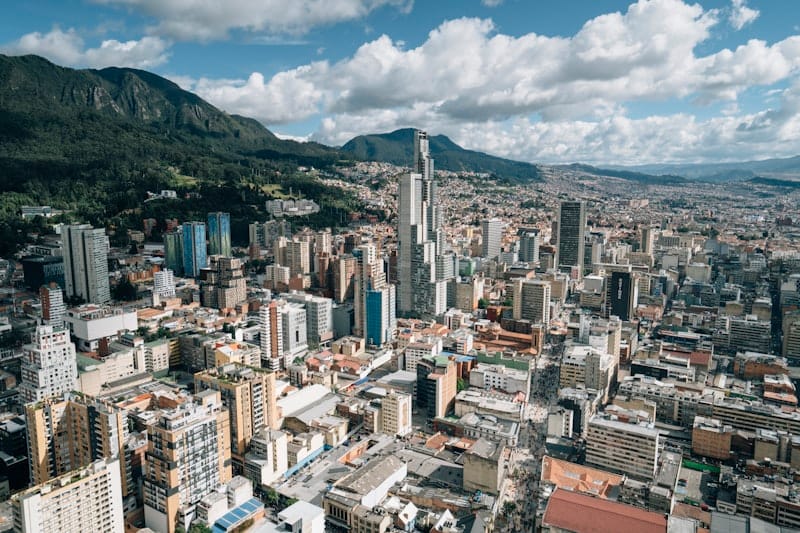
I spent three months in Mexico City before I moved to Medellin, and people still ask me which one I'd pick. The honest answer is that it depends on what kind of life you want to build — but after living in both countries, I have strong opinions about where each one wins and where it falls flat.
Mexico and Colombia are the two heavyweights of Latin American expat life right now. Both have cheap cost of living, solid internet, warm weather, and enough cultural richness to keep you entertained for years. But the day-to-day experience in each country is wildly different. The bureaucracy is different. The food is different. The way people treat foreigners is different. And the visa situations are heading in opposite directions.
So here's my real, unfiltered comparison. I'm not going to hedge every point — you'll get my actual take on which country does what better, and you can decide which tradeoffs matter to you.
Cost of Living: Colombia Is Cheaper (But Mexico Has More Range)
In Medellin, a single person can live comfortably on $1,200-1,500/month. A decent one-bedroom in Laureles or Envigado runs 1.5-2.5 million COP ($350-600 USD). Groceries at Exito or Carulla cost roughly 60% of what you'd pay in the US. Eating out at a corrientazo (set lunch) is 12,000-18,000 COP ($3-4.50).
Mexico City is comparable in many neighborhoods, but the range is wider. Roma Norte and Condesa have gotten expensive — you're looking at $700-1,000 for a one-bedroom now. But areas like Coyoacan or Narvarte are still affordable. Street food in Mexico is genuinely cheaper than Colombia, especially tacos, tortas, and tlacoyos. A solid meal for 40-60 pesos ($2-3.50) is still easy to find.
Where Colombia wins: healthcare costs, domestic flights (often $30-50 one-way), and utilities. Where Mexico wins: food variety and street food prices. Overall edge goes to Colombia for budget-conscious expats, especially outside Medellin's inflated El Poblado bubble.
Visa Situation: Colombia's Digital Nomad Visa vs Mexico's Tourist Visa Crackdown
Colombia launched its digital nomad visa in 2022, and it's been a game-changer. Show $3,000/month in income, get a two-year visa. It's straightforward, relatively cheap, and lets you get a cedula de extranjeria so you can open bank accounts, sign leases, and stop carrying your passport everywhere.
Mexico, on the other hand, has been tightening up. The temporary resident visa requires you to show about $2,500/month in income for the last six months, but the approval process through consulates has become inconsistent. Some people get approved easily; others get denied for no clear reason. And if you're just on a tourist visa (FMM), you're technically not supposed to be working — and immigration officers at the airport have started asking more questions about why you're staying six months.
Colombia also has the M visa for work, the investor visa, and a clear path to permanent residency. Mexico's residency options exist but the bureaucracy at INM (immigration) is notoriously painful. I've heard horror stories about six-hour waits for routine appointments.
Internet and Coworking
Both countries have solid internet in major cities. Medellin averages 80-150 Mbps on fiber, and Bogota is similar. Cartagena and smaller cities can be spottier. Mexico City has excellent connectivity, and Playa del Carmen has caught up in recent years. Oaxaca can still be unreliable.
Coworking in Medellin is a well-oiled machine at this point — Selina, WeWork, and a dozen local spaces in Laureles and Poblado. Mexico City has even more options since the market is bigger. I'd call internet a tie, with both countries having strong coverage in their main cities.
Safety: Neither Is Perfect, But They're Different Risks
This is where people get emotional, so let me be blunt. Both countries have safety concerns, and both are far safer than the media suggests for the average expat living a normal life.
In Colombia, the main risks are petty theft (phone snatching, pickpocketing in tourist areas) and scopolamine drugging, which is rare but real. Avoid flashing expensive gear, don't accept drinks from strangers, and you'll be fine in 99% of situations. Medellin's comunas still have gang activity, but you're unlikely to encounter it in areas where expats live.
In Mexico, the risks are more about which city you're in. Mexico City is surprisingly safe in expat-heavy areas. But certain states — Guerrero, Tamaulipas, parts of Jalisco — have genuine cartel issues. The thing about Mexico is that the violence tends to be more organized and territorial, whereas Colombia's remaining security issues are more random-opportunistic.
For both countries, travel insurance like SafetyWing is a must. It covers you across Latin America for about $45/month, and I've used it for a clinic visit in Medellin with zero hassle.
Healthcare
Colombia's healthcare system is genuinely excellent for the price. The EPS system (public insurance) costs around 200,000-400,000 COP/month depending on income, and gives you access to good hospitals. Private prepagada insurance from companies like Sura or Colsanitas costs $80-150/month and gets you into world-class facilities with short wait times.
Mexico has IMSS (public) and private options too. Quality private care in Mexico City is comparable to Colombia. But here's the difference: dental and cosmetic procedures tend to be cheaper in Colombia, while general practitioner visits might be slightly cheaper in Mexico. Both blow the US out of the water on price.
Weather and Geography
Colombia wins on climate variety within a small geographic area. Medellin sits at 1,500 meters and stays 70-85°F year-round. Drive two hours and you're at a hot spring in Santa Rosa or a cold-weather lake in Guatape. Bogota is chilly (55-65°F). The coast is tropical. You can pick your weather and live in it permanently.
Mexico has variety too, but it's spread over a much larger country. Mexico City is spring-like (similar to Bogota but warmer). The Yucatan is humid and hot. The northern desert is extreme. If you want beach life, Mexico's Pacific coast and Caribbean are hard to beat. But Colombia's Caribbean coast (Santa Marta, Palomino) is catching up.
Banking and Money
Banking as a foreigner is easier in Colombia once you have a cedula. Bancolombia, Davivienda, and Nequi (the Colombian Venmo equivalent) all work. Getting your cedula takes about 2-4 weeks after your visa is approved, and then banking doors open.
Mexico requires a CURP and temporary/permanent residency to open a bank account. The process is similar in annoyance level. Both countries have currency exchange considerations — the Colombian peso and Mexican peso both fluctuate against the dollar.
For sending money to either country, Remitly consistently offers the best exchange rates with fast delivery to local bank accounts.
Culture and Social Life
Mexican culture hits you like a wave. The food scene is probably the best in Latin America — and I say that as someone who loves Colombian food. The art, music, and historical depth in Mexico City alone could keep you exploring for years. Dia de los Muertos, mezcal culture, the street food universe — it's incredible.
Colombian culture is warmer on a personal level. People invite you into their homes faster. The friendships feel deeper once you break through. Salsa and reggaeton dominate the nightlife. The coffee culture is underrated. But the food scene is less diverse than Mexico — you'll eat bandeja paisa and arepas a lot, and honestly, Colombian food gets repetitive after a few months.
Language-wise, Colombian Spanish (especially in Bogota) is considered the clearest in Latin America. Mexican Spanish is fast, slang-heavy, and uses more regional expressions. If you're learning Spanish, Colombia is the easier starting point.
One thing for both countries: use a VPN like NordVPN to access US streaming libraries and protect yourself on public wifi in coworking spaces. I keep mine running 24/7.
My Honest Verdict
Pick Colombia if you want: easier visa process, lower cost of living, better healthcare value, spring-like weather year-round, clearer Spanish for learners, and a growing expat infrastructure that isn't yet oversaturated.
Pick Mexico if you want: world-class food, a massive country to explore, proximity to the US for quick trips home, more cosmopolitan city life (Mexico City is enormous), and you don't mind the tighter immigration situation.
I chose Colombia, and I'd make the same choice again. The quality of life per dollar is hard to beat, the digital nomad visa makes things official, and Medellin's weather alone is worth it. But I still miss Mexican street tacos every single week.
🇨🇴 Colombia Move — Jobs & Services
Find jobs, hire freelancers, or offer your professional services — all free, bilingual, and built for Colombia.
Browse Jobs & Services →Frequently Asked Questions
❓ Is Colombia or Mexico cheaper for expats?
Colombia is generally cheaper, especially for housing, healthcare, and domestic travel. Mexico's street food is cheaper, but rent in popular neighborhoods like Roma Norte has increased significantly. A comfortable monthly budget in Medellin is $1,200-1,500 vs $1,400-1,800 in Mexico City.
❓ Which country has a better digital nomad visa?
Colombia's digital nomad visa is more straightforward — show $3,000/month income and get a two-year visa. Mexico doesn't have a specific digital nomad visa, and the temporary residency process has become less predictable. Colombia wins here clearly.
❓ Is Colombia or Mexico safer for foreigners?
Both are safe in expat-friendly areas. Colombia's risks are mostly petty theft and rare scopolamine incidents. Mexico's risks vary dramatically by state — Mexico City is quite safe, but certain regions have serious cartel activity. Neither should scare you away from living there.
❓ Can I open a bank account as a foreigner in both countries?
Yes, but both require residency documentation. In Colombia, you need a cedula de extranjeria (issued after your visa). In Mexico, you need a CURP and temporary or permanent residency. Colombia's process is slightly easier once you have your visa.
Have you lived in both countries? I'd love to hear your take — drop a comment below or share this with someone who's deciding between the two. And if you're leaning toward Colombia, subscribe for weekly guides on making the move.
🇨🇴
Get the next Colombia guide in your inbox
Join 10,000+ expats and future expats. No spam, just useful guides.





Comments
Loading comments...