
Colombia Retirement Cost 2026: Honest Monthly Budget Breakdown for Retirees
How much does it cost to retire in Colombia in 2026? Real monthly budgets for retirees — housing, healthcare, food, transport, and lifestyle costs in Medellín, Bogotá, and beyond.


Colombia has quietly become one of the top retirement destinations in Latin America — and in 2026, the numbers make it hard to argue against. Whether you're stretching a fixed pension or simply want more life for your money, Colombia delivers in ways that Florida and Arizona simply can't.

Why Retirees Are Choosing Colombia 🌎
The pitch for Colombia retirement isn't just about cost — though that's certainly a big part of it. The climate in cities like Medellín is famously perfect: 70–80°F year-round with no humidity-induced misery. Bogotá sits at a cool 57°F average, ideal if you prefer sweater weather without winter. And smaller cities like Pereira, Manizales, and Armenia give you that "eternal spring" magic without the big-city price tag.
Healthcare quality is another major draw. Colombia has invested heavily in its medical infrastructure over the past two decades. Medellín has world-class hospitals with English-speaking staff and technology that rivals US facilities — at a fraction of the cost. We cover this in depth in our healthcare in Colombia for expats guide.
The expat and retiree community is now substantial. Medellín's El Poblado and Laureles neighborhoods are filled with English-speaking retirees from the US, Canada, and Europe. You'll find English-language social groups, international restaurants, and online communities that make the transition far less daunting than it was a decade ago. Colombia also offers a dedicated Pensionado Visa that makes legal residency straightforward if you have a pension income of just $750/month or more.
💰 Monthly Budget Overview
Here's the honest breakdown most retirement blogs won't give you. These figures reflect real 2026 costs based on what expat retirees are actually spending — not optimistic minimums or luxury outliers. The "Comfortable" tier covers a relaxed, enjoyable lifestyle. The "Premium" tier means nice apartment, regular dining out, travel within Colombia, and zero budget stress.
| Budget Category | Comfortable ($1,800–2,500/mo) | Premium ($3,000–4,000/mo) |
|---|---|---|
| Rent (1–2 bed, furnished) | $500–800 | $1,200–1,800 |
| Utilities (electric, water, internet) | $60–90 | $100–150 |
| Healthcare (EPS or Prepagada) | $80–120 | $150–200 |
| Groceries | $200–300 | $350–450 |
| Dining Out | $150–250 | $400–600 |
| Transport | $50–80 | $100–150 |
| Entertainment & Activities | $100–150 | $300–500 |
| Miscellaneous (domestic help, personal care, etc.) | $150–250 | $300–500 |
| TOTAL | $1,290–2,090 | $2,900–4,350 |
Most retirees landing in Colombia find that $2,000–2,500/month covers a genuinely comfortable life in Medellín or Bogotá — nicer than what $5,000 buys in many US cities. Want the full city-by-city breakdown? Check our Medellín cost of living guide.
🏠 Housing Costs for Retirees
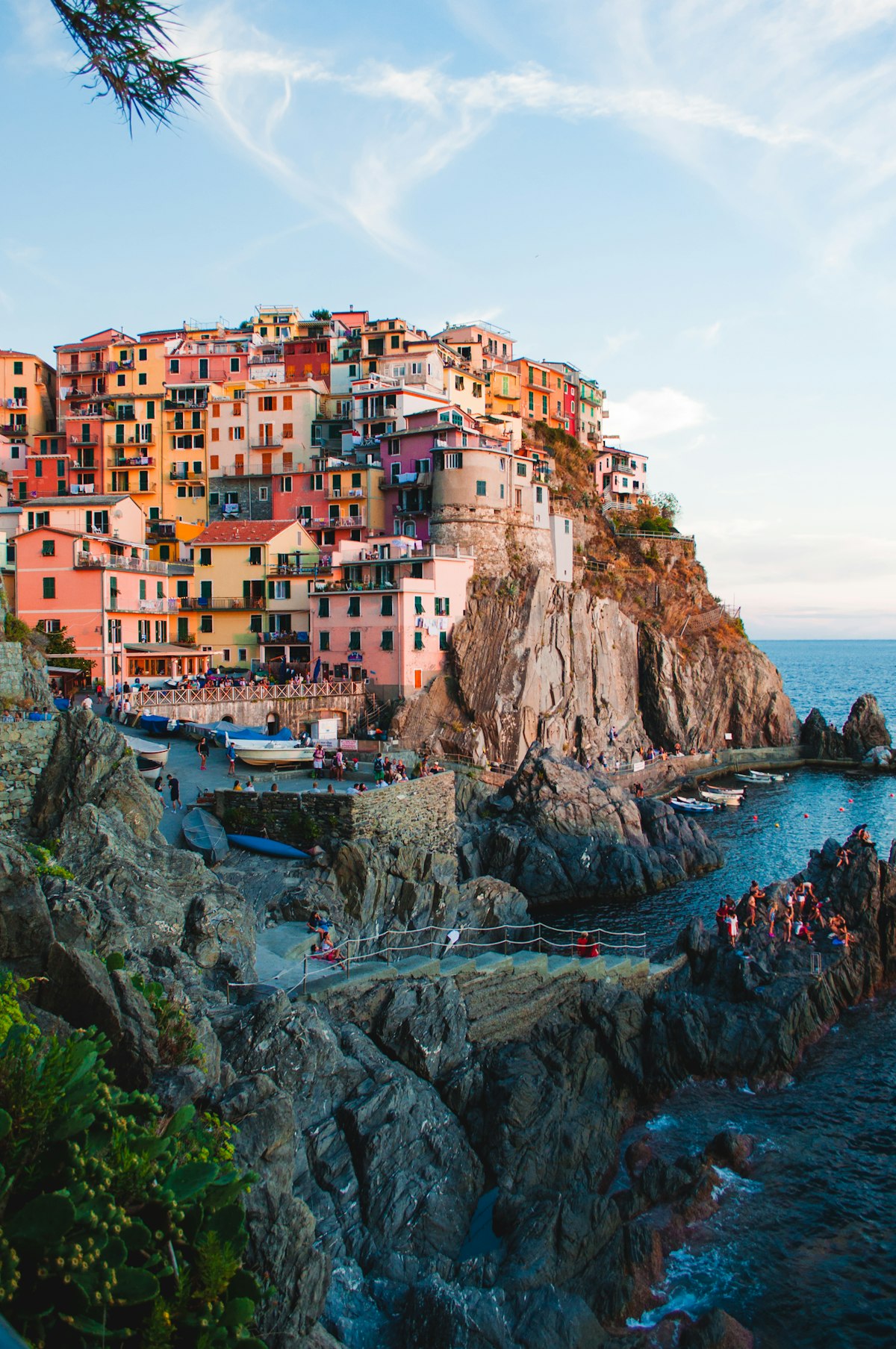
Housing will be your biggest expense, and it varies significantly by city and neighborhood. In Medellín, expect to pay $500–900/month for a comfortable furnished 1–2 bedroom in popular expat neighborhoods like El Poblado or Laureles. For a premium apartment with amenities, gym, and pool, that climbs to $1,000–1,500/month. Bogotá is slightly cheaper in mid-range options at $450–900/month, though luxury areas like Chicó can match Poblado prices.
Smaller cities are where the real value hides. Pereira, Armenia, Manizales, and Santa Marta offer excellent quality of life at $300–600/month for furnished apartments. You'll sacrifice some of the big-city conveniences and English-speaking services, but many retirees find that tradeoff completely worthwhile.
One trend worth watching: purpose-built retirement communities are beginning to emerge in Colombia, particularly in the coffee region. These gated communities with medical staff on-site, activity programs, and expat neighbors are still far cheaper than US equivalents — often $1,500–2,500/month all-inclusive — and represent a genuinely compelling option for retirees who want community built in from day one.
Unfurnished apartments rent for 20–35% less, which makes sense if you're committing long-term. Many retirees start furnished, get a feel for their preferred neighborhood, then sign a longer-term unfurnished lease. Our best cities guide for expats breaks down each city's neighborhood options in detail.
🏥 Healthcare Costs
Healthcare is often the make-or-break factor for US retirees under 65 — and it's where Colombia genuinely shines. The Colombian system has two main paths for expats: EPS (the contributory public insurance system) and Medicina Prepagada (private prepaid health plans). EPS runs $80–120/month and covers most medical needs through the public network. Prepagada plans from providers like Sura, Colsanitas, and Compensar cost $100–200/month depending on your age and coverage level, and give you access to top-tier private clinics with minimal wait times.
Dental and vision care deserves special mention. A dental cleaning runs $25–40. A crown costs $200–400. LASIK eye surgery is done at internationally accredited clinics for $600–900 per eye. Prescription drugs are 50–70% cheaper than US prices for most common medications — many retirees find they recoup their flight costs just on three months of prescriptions.
Specialist consultations at private clinics run $30–60 out of pocket, which means even without insurance you can afford to see a doctor. Hospital stays, if needed, are covered under your plan or surprisingly affordable without it compared to US costs. For the full picture, read our dedicated healthcare in Colombia for expats guide.

🍽️ Food & Daily Life
Groceries in Colombia run $200–400/month for a couple depending on how much you buy imported versus local. Local produce, meat, and dairy are extremely affordable — a week's worth of fresh vegetables costs $10–15 at a neighborhood market (called a plaza de mercado). If you want imported cheeses, US-brand cereals, or specialty items, you'll find them at Carulla or Éxito supermarkets, but those push the grocery bill up.
Eating out is one of the great pleasures of Colombian retirement life. A set lunch menu (menú del día) at a local restaurant — soup, main course, juice, and dessert — costs $3–5. A sit-down dinner at a mid-range restaurant runs $8–20 per person. Even upscale dining in Medellín or Bogotá rarely exceeds $30–40 per person with drinks.
One quality-of-life upgrade most retirees don't expect: domestic help is completely normal and affordable in Colombia. A part-time housekeeper coming 2–3 days per week runs $150–250/month. Full-time live-in help is $300–500/month. This isn't a luxury — it's simply how middle-class life works in Colombia, and it dramatically improves day-to-day comfort, especially for retirees with mobility considerations.
Utilities stay low year-round because of the climate — no heating bills, minimal AC needed in Medellín. Expect $50–80/month for electricity, water, and gas combined. High-speed internet runs $25–40/month.
🚗 Getting Around Without a Car
Most retirees in Colombian cities never need a car — and that's not a hardship, it's a financial win. Medellín has one of Latin America's best metro systems, plus cable cars, electric escalators connecting hillside neighborhoods, and the TransMilenio-style Metroplús bus lines. Bogotá has TransMilenio rapid transit. Both cities are well-covered by Uber and InDrive (often cheaper than Uber) operating legally and reliably.
Budget $50–80/month if you're walking-distance from everything and take the occasional Uber. Budget $100–150/month if you're moving around frequently or making regular medical appointments. Intercity travel by bus or domestic flight is also well-priced — a bus from Medellín to Bogotá costs $15–25, a flight $40–90 booked in advance.
If you do want a car — perhaps for exploring the countryside or living in a smaller town — Colombian roads are manageable, gas is subsidized and cheaper than the US, and parking is available. A used reliable vehicle runs $8,000–15,000. Ongoing costs including insurance, maintenance, and fuel add $200–350/month. For most urban retirees, though, car-free living is genuinely easier and significantly cheaper.
📊 Colombia vs US Retirement Cost Comparison
Numbers tell the story better than any pitch. Here's how a comparable comfortable retirement lifestyle stacks up across locations in 2026:
| Expense | Colombia (Medellín) | Florida (Tampa) | Arizona (Tucson) |
|---|---|---|---|
| Rent (2-bed apartment) | $600–900 | $2,200–2,800 | $1,600–2,200 |
| Healthcare (private insurance) | $100–200 | $500–900 | $450–800 |
| Groceries | $200–350 | $600–800 | $550–750 |
| Dining Out (2x/week for 2) | $80–150 | $400–600 | $350–500 |
| Transport | $60–120 | $400–600 | $350–500 |
| Utilities | $60–90 | $200–350 | $180–300 |
| Estimated Monthly Total | $1,800–2,200 | $4,700–6,500 | $4,000–5,700 |
That's a saving of $2,500–4,000 per month — or $30,000–48,000 per year — compared to retiring in Florida or Arizona. Over a 20-year retirement, the difference is $600,000 to nearly $1,000,000. That's not a small number. That's your grandchildren's inheritance, your travel fund, or simply the difference between financial anxiety and genuine peace of mind.
🛂 The Pensionado Visa
Colombia makes legal long-term residency surprisingly accessible for retirees. The Visa de Pensionado (Retirement Visa) requires proof of a pension income of at least $750/month — roughly three times Colombia's minimum wage, and well within reach for anyone receiving Social Security. Unlike many countries, Colombia doesn't require you to buy property or deposit large sums into a local bank account.
The visa is renewable and after five years of continuous residency you can apply for permanent residency (Residente status). You'll also need to open a local bank account — check our guide to the best banks in Colombia for foreigners for that process. For the complete visa application walkthrough, documents required, and current fees, see our Colombia Pensionado Visa 2026 guide.
One practical note: you do not need to be on a formal pension to retire in Colombia. If you have passive income from investments, rental properties, or other verifiable sources totaling $750+/month, you may qualify under related visa categories. The complete retirement guide covers all your options.
Frequently Asked Questions
❓ Can I live on $1,500 a month in Colombia?
Yes, but it requires intentional choices. At $1,500/month you'd need to rent in a smaller city or a less central Medellín neighborhood, cook most of your meals at home, and skip the premium lifestyle amenities. Retirees in cities like Armenia, Pereira, or Manizales report living comfortably on $1,200–1,500/month including healthcare. In Medellín or Bogotá, $1,500 is doable but tight — you'd be house-sharing or in a studio apartment in a more local neighborhood. It works, especially if you're mortgage-free and simply want to stretch your dollars, but most retirees targeting comfort aim for $1,800–2,200/month minimum.
❓ Is Colombia a good place to retire?
For the right person, it's exceptional. Colombia offers permanent spring weather, world-class healthcare at a fraction of US costs, a thriving expat community, rich culture, excellent food, and genuine affordability. The caveats are real: Spanish is essential beyond the main expat bubbles, some areas have higher crime rates that require neighborhood awareness, and bureaucratic processes (banking, visa renewals) can be frustrating. Retirees who thrive here tend to be adaptable, curious, and at least partially conversational in Spanish. If you've visited, felt the energy, and can handle the tradeoffs — yes, Colombia is a genuinely great retirement destination in 2026.
❓ Do I need to speak Spanish to retire in Colombia?
You can survive without Spanish in Medellín's El Poblado or Bogotá's Zona Rosa — English is widely spoken there, and many expat retirees build a comfortable life in those pockets. But your quality of life improves dramatically with even basic Spanish. Medical appointments outside top private clinics, dealing with utility companies, navigating banks, and connecting with locals all become much easier. Most retirees who move to Colombia recommend arriving with at minimum survival Spanish (greetings, numbers, basic requests) and taking lessons once you're settled. Colombia is actually one of the better places to learn Spanish — the accent is famously clear and slow compared to other Latin American countries.
The Bottom Line: Is Colombia Worth It?
🇨🇴 Trabajo Colombia
Bolsa de empleo y servicios gratuita para Colombia. Publica o encuentra oportunidades en Medellín, Bogotá, Cartagena y más.
Visitar Trabajo Colombia →If your retirement income is $2,000–3,000/month and you're currently in the US wondering how to make it work, Colombia isn't just an option — it may be the most rational financial decision you can make. You get more space, better weather, affordable healthcare, and a richer daily life than that income buys almost anywhere in North America.
The move takes preparation: visit first (ideally for 1–3 months), pick your city carefully, get your visa sorted, and learn enough Spanish to be functional. None of that is complicated — it just takes commitment. If you're ready to take the next step, start with our complete guide to retiring in Colombia in 2026. The numbers are in your favor. The lifestyle is waiting.
🇨🇴
Get the next Colombia guide in your inbox
Join 10,000+ expats and future expats. No spam, just useful guides.







Comments
Loading comments...