
Cartagena Living Guide: Cost, Neighborhoods & Expat Life
Cartagena is stunning, hot, and more expensive than the rest of Colombia. Here's the honest guide to living there — neighborhoods, costs, beach life, and who it's really for.

Nobody warned me that August in Cartagena would feel like standing inside a hair dryer. I'd read the 'eternal summer' descriptions and thought: sure, it's tropical, I'll adjust. What I didn't account for was 90% humidity on top of 35°C, every single day, with no real respite after sunset. I'm not saying that to scare you off — I'm saying it because most expat guides romanticize Cartagena's climate instead of telling you the truth upfront.
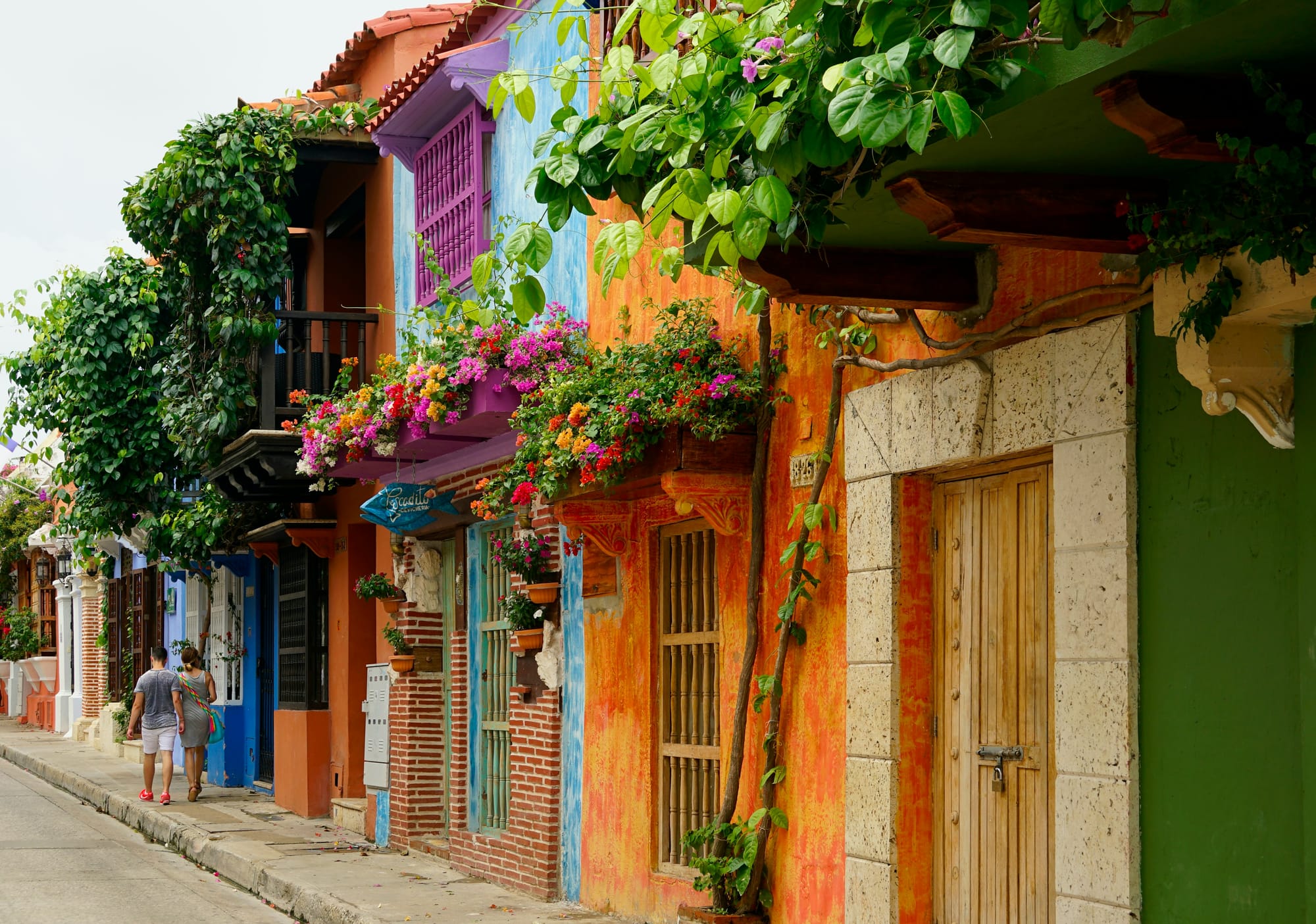
Here's the other truth: Cartagena is one of the most beautiful, historically rich, and genuinely exciting cities in Colombia. The walled city at golden hour is straight out of a Gabriel García Márquez novel. The street food is extraordinary. The Caribbean energy is intoxicating. And if you can handle the heat — or budget properly for air conditioning — it offers a lifestyle that's hard to match anywhere else in Latin America.
This guide is for people actually considering living here, not just passing through. I'll cover the neighborhoods where expats settle, what things realistically cost, what beach life is like day-to-day, and honestly, who Cartagena is and isn't for. Let's get into it.
Cartagena Neighborhoods: Where Expats Actually Live
Cartagena's geography matters more than in most Colombian cities. You're essentially choosing between the tourist bubble, the up-and-coming creative zone, and quieter residential options. Each has a very different vibe and price point.
Bocagrande — The Classic Expat Choice
Bocagrande is the long peninsula jutting out from the walled city, and it's where most expats default to — for good reason. It has the highest concentration of supermarkets, gyms, international restaurants, and English-speaking services in Cartagena. You're walking distance from the beach (though the beach itself is mediocre compared to what's a 30-minute boat ride away), and the apartment quality is generally higher than other areas.
Rent for a furnished 1-bedroom in Bocagrande runs between 2.5M–4.5M COP/month (~$600–$1,100 USD). Two-bedrooms go for 3.5M–6M COP. It's not cheap by Colombian standards — you're paying an expat premium — but you get reliable infrastructure, decent internet, and enough services to live comfortably without speaking much Spanish. The downside: it can feel anonymous and a bit sterile. It's high-rises and car traffic, not colonial charm.
Castillogrande — Quieter, More Residential
Just beyond Bocagrande, Castillogrande is where long-term expats and wealthier Colombians tend to live. It's quieter, greener, and has a more residential feel. You won't find as many restaurants or shops walking distance, but the streets are calmer and there's a yacht club nearby if that's your vibe. Expect to pay 10–20% more than Bocagrande for equivalent apartments. Not for everyone, but great if you want calm over convenience.
Getsemaní — Hip, Artsy, and Gentrifying Fast
Getsemaní has gone from 'avoid at night' to 'full of boutique hostels and craft cocktail bars' in about five years. It's the neighborhood immediately outside the walled city, and it still has that raw Caribbean energy — murals, street vendors, cumbia spilling from corner stores, locals playing dominos in the plaza. It's genuinely interesting to live in, with a real sense of community that Bocagrande lacks.
The catch: it's still gentrifying, and that means security is patchy. Petty theft does happen, particularly on the edges of the neighborhood. Rents are lower — a 1-bedroom might run 1.8M–3M COP/month — but you're trading convenience and security perception for character. For younger expats or people who want to be embedded in Colombian culture rather than expat culture, Getsemaní is honestly the most interesting choice. Just be smart about situational awareness.
Manga — Local, Practical, Under the Radar
Manga doesn't show up in most expat guides, which is exactly why it's worth mentioning. It's a residential island connected to the mainland, a bit south of the old city. Locals live here, rents are genuinely local-priced (1.5M–2.8M COP for a 1-bed), and you get the sense of real Cartagena life rather than tourist Cartagena. The trade-off: you're not walking anywhere interesting, and you'll need a taxi or motorbike to get everywhere. But if you're working remotely and want to stretch your budget, Manga is underrated.
El Centro Histórico — Beautiful to Visit, Harder to Live In
The walled city is stunning. I'd absolutely recommend spending your first week there in an Airbnb to soak it in. But living there long-term is a different story. Apartment quality varies wildly, it's extremely loud on weekends (and most weeknights in high season), and everything is priced for tourists. You'll pay 3M–6M COP for something that might have dodgy plumbing and walls that amplify street noise. Most expats who try it move out within a month. See it, enjoy it, but don't commit to a lease before you've spent a week there in real life.
The Heat: This Is Not Medellín
I want to spend a moment on this because it genuinely shapes your entire life in Cartagena. Average temperatures hover around 28–35°C year-round, with humidity that often pushes the 'feels like' temperature above 40°C. There's no cool season. The closest thing to relief is December–March, when Caribbean trade winds bring slightly lower humidity and the occasional breeze — but you're still talking about hot.
What this means practically: your electricity bill will be dominated by air conditioning. Running AC for 8–10 hours a day — which many expats do just for sleep and work — adds 200,000–450,000 COP/month (~$50–$110 USD) to your utility costs. Some people adapt and use fans instead; most North Americans and Europeans eventually admit they need the AC. Budget for it honestly.
It also affects your schedule. Many expats adopt a split day: morning activity, midday retreat to an air-conditioned space, afternoon/evening when the heat breaks slightly. You'll understand why locals eat late, sleep after lunch, and do everything slowly. The heat enforces a pace of life, and if you fight it, you'll burn out. If you lean into it, it's actually kind of wonderful.
Cost of Living in Cartagena: A Realistic Budget
Cartagena is the most expensive major city in Colombia for expats, but it's still dramatically cheaper than comparable coastal cities in the US, Spain, or Portugal. Here's a realistic breakdown:
Monthly Budget Ranges (Cartagena)
| Category | Budget | Comfortable |
|---|---|---|
| Rent (1BR, furnished) | 1.8M–2.5M COP | 3M–5M COP |
| Electricity (with AC) | 200K–300K COP | 350K–500K COP |
| Groceries | 400K–600K COP | 700K–1M COP |
| Eating out | 300K–500K COP | 600K–1.2M COP |
| Transport (taxis/apps) | 150K–250K COP | 300K–500K COP |
| Internet | 80K–120K COP | 80K–120K COP |
| Total estimate | ~$750–$900 USD | ~$1,200–$1,800 USD |
A few notes on that breakdown. Food is where Cartagena splits sharply between tourist pricing and local pricing. Eating at the restaurants in the walled city or the tourist strips of Bocagrande will destroy your budget — a meal easily runs 50,000–80,000 COP. The same food from a local place (a corrientazo or bandeja) is 12,000–18,000 COP. Learn where the locals eat within your first week and you'll cut your food costs in half.
The worst surprise for most people: their first electricity bill. AC-dependent apartments can hit 600,000–800,000 COP/month if you're running it 24/7. Ask the landlord for historical bills before signing anything.
Beach Life: Manage Your Expectations
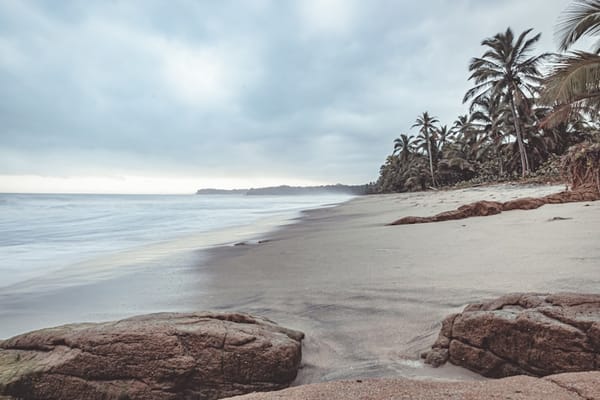
Here's a thing nobody says: the beaches in Cartagena proper — meaning Bocagrande, Castillogrande, and the nearby town beach — are not great. They're narrow, crowded, and the water is often murky. That's the honest truth. The magic of Caribbean Colombia is that you're 20–40 minutes by boat from the Islas del Rosario and Playa Blanca, which are genuinely world-class.
The trade-off is that accessing those beaches costs money and effort. A boat to the Rosario islands runs 70,000–150,000 COP per person depending on the package. It's absolutely worth doing, but it's not 'walk to the beach every morning' living. If beach access is a top priority for your lifestyle, consider the Manga area or look at whether the boat traffic to the islands fits into your weekly rhythm.
What is excellent day-to-day: the sunset from the Café del Mar walls, the social scene in Getsemaní on weekends, the reggaeton-meets-vallenato energy of the city at night, and the insane quality of the fresh seafood. Langostinos, pargo rojo, and coconut rice from a no-name place in El Centro will genuinely make you question every piece of fish you've eaten before.
Getting Around
Cartagena doesn't have a metro, but it's navigable. InDrive and Uber (operating semi-legally as usual in Colombia) are available and affordable — most trips within the city run 8,000–20,000 COP. Traditional taxis are everywhere and slightly cheaper if you negotiate upfront. Motorbike taxis (mototaxis) are the fastest option in traffic but obviously carry more risk.
Walking is realistic in Bocagrande and within the walled city, but Cartagena's sprawl means that getting from, say, Manga to Bocagrande on foot is a sweaty half-hour slog you'll regret. Budget for transport more than you would in Medellín, where walkable neighborhoods are the norm.
Healthcare & Practical Considerations
Cartagena has solid private healthcare options, with Clínica Bautista and Clínica Universitaria San Juan de Dios being the main private hospitals. Routine consultations run 60,000–120,000 COP. If you're staying longer term, you'll want a health insurance plan — most expats either use SafetyWing's Nomad Insurance for flexible monthly coverage or enroll in a local prepagada plan once they have a cédula de extranjería. SafetyWing is the easiest option to set up without Colombian documentation.
Internet is generally fine in Bocagrande and Getsemaní — most apartments offer 50–100 Mbps fiber. Coworking spaces are growing; Selina has a location here, and there are a few independent spots. One thing to consider: if you rely on streaming services from home, a NordVPN subscription is worth having to access geo-restricted content from whatever country you're from.
Is Cartagena Right for You?
Cartagena works brilliantly for a specific type of expat: someone who loves heat, wants a more international social scene (it attracts a very different crowd than Medellín — more Brazilians, Italians, and North American retirees), is drawn to Caribbean culture, and has the budget to live comfortably rather than scraping by.
It's harder if you're budget-constrained (Medellín, Cali, or Pereira are friendlier to tight budgets), if you hate heat with a genuine passion, or if you want the deep integration with Colombian expat infrastructure that Medellín offers. I'd also hesitate to recommend it for anyone who struggles with high stimulation — it's loud, busy, and unrelenting in a way that's exhilarating for some and exhausting for others.
If you're still weighing your options across Colombia, check out our full city rankings guide — it covers Medellín, Bogotá, Cali, Manizales, and more with honest comparisons. And if budget is the primary driver, the cheapest places to live in Colombia guide might change your shortlist entirely.
FAQ: Living in Cartagena as an Expat
❓ Is Cartagena safe for expats?
Generally yes, especially in Bocagrande, Castillogrande, and the tourist zones of the walled city. Getsemaní is improving but still requires more situational awareness. Petty theft — phone snatching, pickpocketing — is the main risk. Avoid flashing expensive gear, use InDrive/Uber instead of random taxis at night, and you'll be fine. Don't let the paranoia stop you from exploring — millions of people live here normally.
❓ What visa do I need to live in Cartagena?
Most expats start on a tourist visa (up to 180 days per year for many nationalities). Long-term options include the Digital Nomad Visa (if you're earning remotely), the Pensionado Visa (if you receive regular pension income), or the Investor/Business visa. You don't need a specific 'Cartagena visa' — Colombian visas cover the whole country.
❓ How is the internet in Cartagena?
Better than you'd expect. Fiber is available in most residential buildings in Bocagrande and parts of Getsemaní. Claro and Movistar are the main providers. Speeds of 50–200 Mbps are standard in modern apartments. The weak spot is power outages — Cartagena has more frequent brief outages than Medellín, so a UPS or surge protector for your router and laptop is worth the investment.
❓ How expensive is Cartagena compared to other Colombian cities?
It's the priciest of Colombia's major cities for expats, particularly on rent. Expect to pay 20–40% more than equivalent neighborhoods in Medellín. However, you're still dramatically cheaper than comparable coastal cities in Europe, the US, or Mexico's Pacific coast. A comfortable expat lifestyle runs around $1,200–$1,800/month all-in.
❓ Is Spanish necessary to live in Cartagena?
Less so than most Colombian cities, given the high tourist volume — you'll find English spoken in hotels, upscale restaurants, and plenty of Bocagrande businesses. But for anything beyond tourist-tier services — apartments, medical appointments, administrative tasks — Spanish is genuinely needed. Even basic conversational Spanish will transform your experience from frustrating to fluid. It's worth putting in the time.
Ready to Make Cartagena Your Home?
Cartagena isn't the right fit for everyone — and I respect you more for reading an honest guide than a glossy brochure. But if the Caribbean heat, the stunning colonial architecture, the seafood, and the energy sound like your kind of life, there really isn't anything quite like it in South America.
If you've lived in or spent extended time in Cartagena, drop your experience in the comments. Which neighborhood did you end up in? What surprised you? The more real intel people share, the better prepared the next wave of arrivals will be. And if you found this useful, share it with someone who's weighing Cartagena against other Colombian cities — it might just help them make the right call.
🇨🇴
Get the next Colombia guide in your inbox
Join 10,000+ expats and future expats. No spam, just useful guides.




Comments
Loading comments...