
Cali, Colombia: The Expat Guide to the Salsa Capital
Cali is Colombia's salsa capital, 20-30% cheaper than Medellin, and one of the most authentic places to live as an expat. Here's the honest guide from someone who's been there.
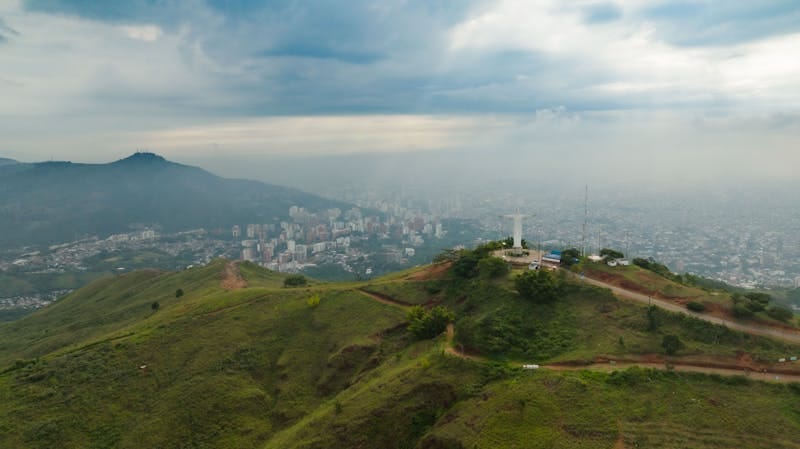
I spent my first month in Colombia in Medellin, like everyone does. The weather was perfect, the coworking spaces were packed with laptop nomads, and the Instagram-friendly restaurants in Poblado never disappointed. But when a Colombian friend from Valle del Cauca told me to come check out Cali, I figured, why not? A week later I was drenched in sweat, completely lost trying to figure out the MIO bus system, and watching a 70-year-old woman dance salsa better than anyone I'd ever seen. I didn't want to leave.
Cali is Colombia's third-largest city and the undisputed salsa capital of the world. It doesn't get nearly the same attention from expats that Medellin or Bogota do, and honestly, that's part of the appeal. There's no gringo bubble here. Rent is 20-30% cheaper. The food pulls from Pacific, Andean, and Afro-Colombian traditions. And the cultural identity — the pride caleños have in their city — is something you feel everywhere from the taxi driver to the fruit vendor.
This isn't a sanitized listicle. I'll tell you where to live, what things actually cost, which areas to avoid, and why the heat might be a dealbreaker for some people. If you're considering a move to Cali or just want to test it for a couple months, here's the real story.
What It Actually Costs to Live in Cali
The biggest draw for a lot of expats is the price. A comfortable life in Cali runs $1,500 to $2,000 USD per month, and that includes a solid apartment in a safe neighborhood, eating out several times a week, and not stressing about your budget. Compared to Medellin, I'd estimate everything runs about 15-25% cheaper depending on the category.
A one-bedroom apartment in a good neighborhood like Granada or San Antonio goes for $350-400/month in the center, or $500-700 if you want something more modern with a pool or gym. Groceries at La 14 or Exito run about $215-325/month depending on how much imported stuff you buy — and yes, you'll pay a premium for almond milk and good cheese just like everywhere else in Colombia. Eating at a local restaurante with a set lunch (almuerzo corriente) costs around $2.50-3.50, and a decent dinner out in Granada will run $10-15 per person.
| Expense | Monthly (USD) |
|---|---|
| Rent (1BR, safe neighborhood) | $350–700 |
| Groceries | $215–325 |
| Eating out (mixed) | $150–250 |
| Transport (MIO + ride apps) | $40–80 |
| Utilities + internet | $60–100 |
| Health insurance | $45–85 |
| Total | $860–1,540 |
For health insurance, I'd recommend looking into SafetyWing's Nomad Insurance if you don't have a Colombian EPS yet. It's designed for remote workers and covers you in Colombia without needing residency — runs about $45-70/month depending on your age.
Best Neighborhoods for Expats
Neighborhood choice matters more in Cali than in Medellin. The city is more spread out, the public transport isn't as good, and the safe-to-risky transition can happen within a few blocks. Here's where I'd actually recommend living.
Granada is the closest thing to Medellin's Laureles — tree-lined streets, good restaurants, walkable, and safe. This is where most of the city's international crowd ends up, and there are plenty of modern apartment buildings with doormen and gyms. Expect to pay $600-1,000/month for a furnished place. The nightlife along Avenida 9 is solid, and you're walking distance from good gyms, pharmacies, and supermarkets. If you want convenience and don't mind spending a little more, Granada is the easy choice.
San Antonio is my personal favorite for anyone who wants character over polish. It's the bohemian heart of Cali — colonial houses turned into hostels and cafes, street art on every corner, the famous Colina de San Antonio with sunset views over the city. Apartments run $400-700/month. The only downside is that it's hillier, the streets are narrower, and you'll want to be more careful at night on the quieter blocks. But for the vibe? Nothing in Cali beats it.
El Peñón sits right along the Cali River next to San Antonio and is the upscale arts district. Art galleries, fine dining, beautiful old houses. Rent is $700-1,200 for a nice place. It's quieter than Granada but has some of the city's best restaurants. Ciudad Jardín is further south and ideal for families — gated communities, parks, international schools, and it's close to Fundación Valle del Lili hospital. If you have kids or want suburban calm, that's your spot. And if you want to be near nature, Pance is the southern escape — right up against the mountains with rivers, hiking trails, and weekend getaway energy.
Safety — The Honest Version
I'm not going to sugarcoat it: Cali requires more street awareness than Medellin's expat zones. The city has a higher crime rate statistically, and there are neighborhoods you absolutely should not wander into — Aguablanca, Siloé, and parts of the east side are off-limits unless you're with someone who knows the area. Phone snatching on the street is more common here than in Medellin, especially if you're walking around with your phone visible.
That said, the neighborhoods I mentioned above — Granada, San Antonio, El Peñón, Ciudad Jardín — are genuinely safe by day and reasonably safe at night. I walk around Granada at 10pm without issues. The key rules are the same as anywhere in Colombia: don't flash expensive stuff, use InDrive or DiDi instead of hailing taxis on the street, keep your phone in your pocket when walking, and don't walk alone through quiet residential streets after midnight.
One thing I'll say in Cali's favor: because there's less of a tourist scene, you get less of the targeted scam culture that Medellin deals with. Nobody's trying to sell you a "city tour" or lure you to an overpriced bar. The risks here are more generic urban crime, not tourist-targeted schemes.
Getting Around the City
The MIO is Cali's bus rapid transit system, and it costs about 2,950 COP ($0.78) per ride. It covers the main corridors and it works, but it's slower and less extensive than Medellin's Metro. During rush hour it gets packed. I used it for a while but honestly switched to ride apps pretty quickly.
InDrive is king in Cali — way more popular here than Uber or DiDi. You suggest a price, the driver accepts or counters, and rides across the city rarely cost more than $2-3. Uber works too but has fewer drivers. DiDi exists but is less common. Skip street taxis entirely — they don't always use meters and the occasional sketchy driver isn't worth the savings.

The Salsa Scene (Why Cali Is Special)
This is the real reason a lot of people end up in Cali and never leave. Salsa caleña is its own style — fast, intricate footwork, less upper-body movement than what you'd see in New York or Cuban salsa. The city has over 100 salsa academies and you can find classes for every level, from absolute beginner to competition prep. A month of classes at a good academy runs 150,000-250,000 COP ($38-65).
For live salsa, the two spots everyone will tell you about are Zaperoco and Topa Tolondra — both are classic salsotecas where the dancing is serious and the energy is electric. Thursday through Saturday nights are the best. During the Feria de Cali (December 25-30), the entire city turns into one enormous salsa festival with parades, street performances, and competitions. If you can time a visit for late December, do it.
Even if you have two left feet, the salsa culture seeps into everything — the music in taxis, the way people move at a house party, the random practice sessions in parks. It gives Cali an energy that no other Colombian city has.
Food Worth Traveling For
Cali's food scene is underrated and pulls from traditions you won't find in Medellin or Bogota. The Pacific coast influence means more coconut, plantain, and seafood. Start with sancocho de gallina — a rich chicken soup that's practically a religion here. Every family has their version, and the roadside ones along the highway toward Buenaventura are legendary.
Cholado is Cali's signature street dessert — shaved ice piled with fresh tropical fruit, condensed milk, fruit syrup, and sometimes a wafer cookie. You'll find the best ones around Parque del Perro or San Antonio. Lulada is another local obsession — a drink made from lulo fruit that's tangy, sweet, and perfectly refreshing when it's 33°C outside (which is most days). Other must-tries: arroz atollado (a creamy rice dish with pork), empanadas vallunas (crunchier than the ones in Bogota), and Pacific-style encocado (fish in coconut sauce).
Healthcare and Digital Nomad Infrastructure
Fundación Valle del Lili is ranked #1 in Colombia and has JCI international accreditation — it's genuinely world-class, with English-speaking specialists and modern facilities. Imbanaco is the other major hospital and is also excellent. If you need routine care, private appointments with specialists typically cost $30-60 without insurance. Having a Colombian EPS through a local employer or a private plan like SafetyWing will cover the bigger stuff.
For remote work, Cali's internet averages around 113 Mbps — more than enough for video calls and heavy uploads. Coworking options include Impact Hub Cali and Co.Work Cali, though the scene is smaller than Medellin's. That's actually a plus in my opinion — you end up integrating more with locals instead of hanging out exclusively with other nomads. Most cafes in Granada have reliable wifi if you prefer working from coffee shops.
If you're streaming content from back home or need to access US services, a VPN is essential. I use NordVPN — it works reliably from Cali and the speeds are solid for Netflix and banking apps.
The Climate (Let's Talk About the Heat)
If Medellin is eternal spring, Cali is eternal summer — and not the pleasant beach kind. Average temperatures sit between 25-30°C (77-86°F) with humidity around 80%. It's hot. Your shirts will be damp by noon. Air conditioning isn't standard in most apartments, so make sure you negotiate for a unit with AC or at least strong ceiling fans before signing a lease.
The rainy seasons (March-May and October-November) bring afternoon downpours that cool things off temporarily but also turn some streets into rivers. Honestly, the heat is the #1 reason some expats try Cali and decide it's not for them. If you've lived in Southeast Asia or the Caribbean, you'll handle it fine. If you specifically moved to Medellin for the weather, Cali might feel like a punishment.
Day Trips From Cali
San Cipriano is the must-do day trip. You get there by riding a brujita — a wooden platform on rails powered by a motorcycle engine — through the jungle to reach a river town where you can swim in crystal-clear natural pools. It costs next to nothing and it's one of those experiences that makes you wonder why you didn't come to Valle del Cauca sooner. About 2 hours from Cali.
Lago Calima is Colombia's premier spot for kitesurfing and windsurfing — consistent afternoon winds, gorgeous mountain lake scenery, and weekend cabins for rent. The Pacific coast is reachable via Buenaventura (3-4 hours), and from there you can arrange boat trips to Juanchaco and Ladrilleros for whale watching season (July-October). The Eje Cafetero (coffee region) is also about 3-4 hours north if you want to visit coffee farms and Cocora Valley.
Cali vs Medellin — Quick Comparison
I get this question constantly, so here's my honest take. Medellin wins on weather, public transit, and the size of the expat community. Cali wins on cost, cultural authenticity, salsa, food diversity, and being closer to the Pacific coast. If you want a comfortable expat bubble with lots of English speakers and established infrastructure, go to Medellin. If you want a more immersive Colombian experience, are comfortable with Spanish (or want to be forced to learn), and don't mind the heat, Cali is the better choice.
A lot of people I've met do both — a few months in Medellin, then a few in Cali. That's probably the smartest move. Just know that Cali has a way of growing on you. The people are warmer, the pace is different, and once salsa gets into your blood, the eternal spring of Medellin starts to feel a little... boring.
Frequently Asked Questions
❓ Is Cali safe for expats?
Cali is safe in the right neighborhoods — Granada, San Antonio, El Peñón, and Ciudad Jardín are all fine for daily life. Use ride apps instead of street taxis, don't flash valuables, and avoid areas like Aguablanca and Siloé. It requires more awareness than Medellin's tourist zones but thousands of foreigners live here without problems.
❓ How much money do I need to live in Cali?
A single person can live comfortably on $1,500-2,000 USD/month. That covers a nice apartment ($350-700), food, transport, and entertainment. Budget travelers can get by on $1,000-1,200 if they cook at home and keep rent under $400. It's consistently 15-25% cheaper than Medellin for comparable lifestyles.
❓ What's the best neighborhood in Cali for digital nomads?
Granada is the most practical — walkable, safe, good internet, close to coworking spaces and restaurants. San Antonio has more character and is cheaper but less convenient for daily errands. If you work from cafes, both neighborhoods have reliable wifi options.
❓ Is Cali worth visiting if I don't dance salsa?
Absolutely. The food, day trips, Pacific coast access, and lower cost of living are all valid reasons. But fair warning — after a few weeks in Cali, you'll probably end up taking at least one salsa class. The culture is infectious.
❓ How hot does Cali get?
Expect 25-30°C (77-86°F) year-round with 80% humidity. It's noticeably hotter than Medellin or Bogota. Make sure your apartment has AC or strong fans, and plan outdoor activities for mornings. The heat is the most common complaint from expats who move from other Colombian cities.
🇨🇴 Have Questions About Living in Cali?
Ask fellow expats and locals in our community forum. Get real answers from people who actually live there.
Ask the Community →Have you spent time in Cali? Thinking about making the move? Drop a comment below with your questions or share your experience — I'd love to hear whether you're Team Cali or Team Medellin. And if this guide was helpful, share it with someone who's considering Colombia.
🇨🇴
Get the next Colombia guide in your inbox
Join 10,000+ expats and future expats. No spam, just useful guides.



Comments
Loading comments...