
Buying Rural Land in Colombia as a Foreigner: Laws, Risks & How to Do It Right
Thinking about buying rural land in Colombia? The laws, risks, and process are different from urban property. Here's what foreigners need to know.

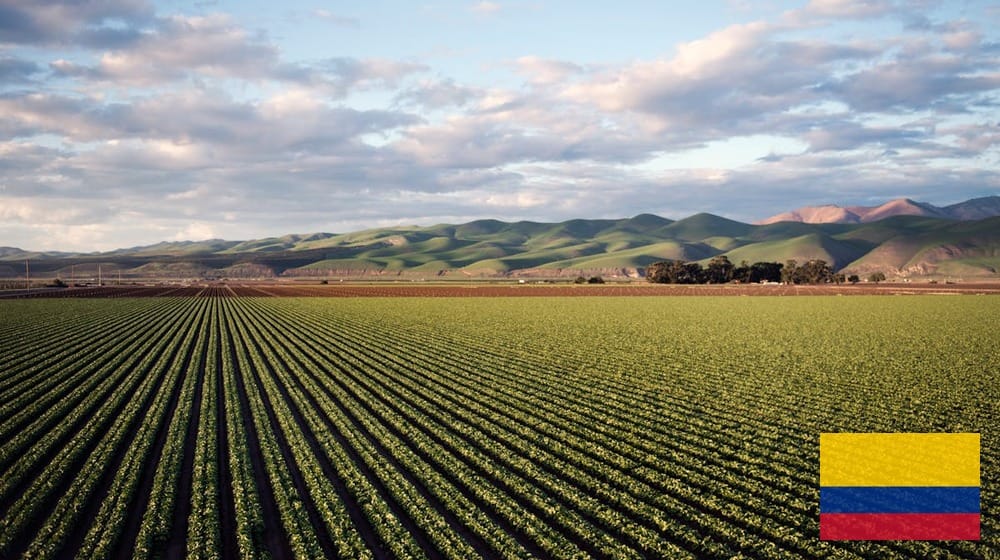
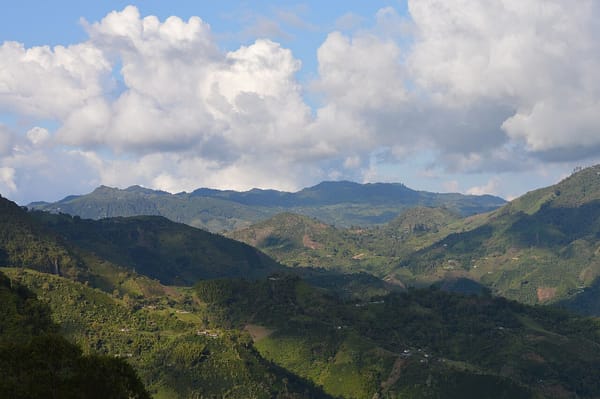
Colombia's stunning countryside — from the coffee region to Caribbean coast farms — attracts many foreign buyers dreaming of rural life. But buying rural land in Colombia comes with serious legal pitfalls that have trapped unwary investors. Here's the complete guide to doing it right.
Can Foreigners Buy Rural Land in Colombia?
Yes — but with major restrictions. Unlike urban property (where foreigners have identical rights to Colombians), rural land purchases are governed by a complex web of laws designed to protect small Colombian farmers and prevent land concentration. Understanding these laws before you buy is essential.
The Two Critical Restrictions
1. Unidad Agrícola Familiar (UAF) — Agricultural Family Unit
Under Law 160 of 1994 (Colombia's Agricultural Reform Law) and regulations from the Agencia Nacional de Tierras (ANT), rural land that was originally adjudicated to small farmers under agrarian reform programs carries a 15-year restriction on sale, transfer, or accumulation beyond one UAF per owner.
- The UAF size varies by region — from 3 hectares in fertile zones to 1,500+ hectares in marginal areas
- The restriction applies to both Colombian and foreign buyers
- Violating it can result in the transaction being voided and the land reverting to the state
- The 15-year clock restarts each time the land is adjudicated
2. Baldíos — Public Lands
Colombia's Constitution (Article 64) and Law 160 of 1994 establish that baldíos — public lands originally granted to small farmers by the state — cannot be accumulated beyond the UAF threshold or transferred to corporations or large investors. The Constitutional Court (Sentence C-644 of 2012) ruled that using Colombian corporations to accumulate baldíos on behalf of foreign investors pierces the corporate veil and violates the social function of these lands.
Importantly: land that was originally a baldío doesn't advertise itself as such. It takes professional legal due diligence to identify this history.
What Types of Rural Land CAN Foreigners Buy Safely?
Not all rural land carries these restrictions. The following is generally safe for foreign purchase:
- ✅ Privately titled rural land with a clean, long title history showing it was never adjudicated as agrarian reform or baldío land
- ✅ Farms (*fincas*) in private hands for multiple generations, purchased through the private market without state involvement
- ✅ Rural homes and lots in legally constituted rural subdivisions (*parcelaciones*) with proper planning permits
- ✅ ZIDRES projects (Law 1776/2016) — large-scale agricultural development zones designed specifically for foreign and domestic investment, through contractual arrangements with the government without land transfer
The ANT Certificate — Your Most Important Due Diligence Step
Before purchasing any rural land in Colombia, you or your attorney must obtain an ANT Certificate (Agencia Nacional de Tierras) confirming:
- Whether the land was ever adjudicated as a baldío
- Whether UAF restrictions apply
- The current legal status under Colombian agrarian law
This certificate is obtained from the ANT's regional offices or through their online portal. Without it, you are buying rural land blind to its most critical legal risk.
Additional Rural Land Considerations
Land Use Zoning (POT / PBOT / EOT)
Each Colombian municipality has a land use plan (Plan de Ordenamiento Territorial for larger cities, PBOT or EOT for smaller ones). Before buying, verify:
- The land's designated use (agricultural, livestock, forestry, mixed, residential rural)
- Whether your intended use (tourism, eco-lodge, farming, residence) is permitted
- Buffer zones near rivers, forests, wetlands, and national parks (*zonas de protección*) where construction is prohibited
- Whether the land falls within a reserva forestal (forest reserve) — common in many scenic Colombian regions and a significant restriction
Water Rights
Rural property in Colombia may include natural water sources (rivers, streams, springs). Water use rights are regulated separately from land ownership by ANLA (Autoridad Nacional de Licencias Ambientales) and regional CARs (Corporaciones Autónomas Regionales). A property with a river may not automatically have the right to divert water for irrigation or other uses without a separate concession.
Environmental Licensing
Any significant development on rural land — clearing, construction, agricultural operations above a certain scale, water extraction — may require an environmental license (*licencia ambiental*) from the CAR. Failure to obtain required licenses can result in work stoppages, fines, and forced restoration.
Communal and Indigenous Territory
Colombia recognizes the collective land rights of indigenous communities (*resguardos indígenas*) and Afro-Colombian communities (*territorios colectivos*). These territories cannot be purchased by private individuals — they are collectively owned and protected by constitutional rights. Some of these territories overlap with areas that appear on the market informally. Always verify through the ANT and local authorities.
The Corporate Structure Trap
Some advisors suggest using a Colombian SAS (simplified corporation) to purchase rural land, thinking corporate ownership avoids the personal restrictions. This does not work — and attempting it can backfire seriously.
- The Constitutional Court has ruled that using corporations to circumvent UAF and baldío restrictions is a violation of the social function of land and can void the transaction
- DIAN and the ANT increasingly scrutinize corporate rural land holdings with foreign shareholders
- Law 2300 of 2023 enhanced anti-money laundering requirements specifically targeting real estate, including rural land purchased through intermediary structures
Step-by-Step: How to Buy Rural Land Safely in Colombia
- Hire a lawyer specializing in derecho agrario (agricultural/rural law) — not just a general real estate attorney
- Obtain the Certificado de Libertad y Tradición — review the full title chain for gaps, short tenures, and unusual transfers
- Request an ANT Certificate confirming no baldío or UAF restrictions apply
- Verify land use zoning from the municipal POT/PBOT/EOT
- Confirm no environmental protection overlays (forest reserve, wetland, national park buffer)
- Check water rights if the property has water features or agricultural irrigation
- Obtain all paz y salvo documents (predial, valorización if applicable)
- Visit the property and borders in person — boundary disputes (*conflictos de linderos*) are common in rural Colombia
- Complete the notarial deed and register as with urban property
- Register foreign investment with Banco de la República if funds came from abroad
Real Costs of Rural Land in Colombia (2025)
| Region | Price Range (per hectare) | Notes |
|---|---|---|
| Coffee Region (Eje Cafetero) | $8,000–$25,000 USD/ha | Premium for working coffee farms |
| Antioquia countryside | $5,000–$15,000 USD/ha | Wide range by location/access |
| Caribbean coast (non-tourist) | $2,000–$8,000 USD/ha | Lower prices, rural infrastructure |
| Pacific coast | $1,000–$5,000 USD/ha | Remote, many communal territory restrictions |
| Llanos (eastern plains) | $500–$3,000 USD/ha | Large scale livestock, very affordable |
| Near Bogotá (Cundinamarca) | $15,000–$60,000 USD/ha | Premium for proximity to capital |
Thinking About Buying Rural Land in Colombia?
Rural real estate in Colombia offers extraordinary value and lifestyle opportunities — but it requires a higher level of due diligence than urban property. Get it right from the start with proper legal guidance. Our team can connect you with specialized rural land attorneys across Colombia.
🌾 Rural land in Colombia is a dream — but only if you do it right. Share this guide in Colombia real estate groups, farming and eco-tourism forums, or with anyone who's ever dreamed of owning a finca. It could save someone from a very expensive legal mistake. Sharing helps us keep this content coming! 💜
🇨🇴
Get the next Colombia guide in your inbox
Join 10,000+ expats and future expats. No spam, just useful guides.
Comments
Loading comments...