
Bus Travel in Colombia: Routes, Companies & Safety Tips
Taking the bus in Colombia is often the smartest way to travel between cities — once you know which companies to trust and how to book.

The first time I took a bus from Medellín to Bogotá, I didn't know what to expect. I'd been warned by well-meaning expats that it was "dangerous" and "exhausting," and that I should just fly. What nobody told me was that the Bolivariano ejecutivo bus would have wider seats than my last Spirit Airlines flight, a functioning bathroom, and a meal included. The 8-hour trip through the Andes was one of the most scenic rides I've taken anywhere in the world.
Bus travel in Colombia gets a bad reputation from people who've never actually done it — or who did it 15 years ago when the roads were genuinely risky. In 2026, Colombia's intercity bus network is extensive, mostly comfortable, and often the cheapest way to move between cities. For weekend trips to the Coffee Region, the coast, or smaller cities that airlines don't bother serving, the bus is frequently your only option.
That said, not all buses are created equal. There's a big difference between a Bolivariano ejecutivo and a random colectivo you flag down at a terminal. This guide covers the companies worth using, how to book, what to expect from overnight routes, and realistic prices — so you can travel smart.
When Bus Travel Makes Sense (and When It Doesn't)
Flying is usually faster, but buses often win on cost, convenience, and route coverage. A Medellín–Bogotá bus can cost 50,000–75,000 COP ($12–18 USD) in economy, versus 120,000–250,000+ COP for a flight — before luggage fees. And because Colombian airports tend to sit 45–90 minutes outside city centers, the time advantage of flying shrinks significantly on shorter routes.
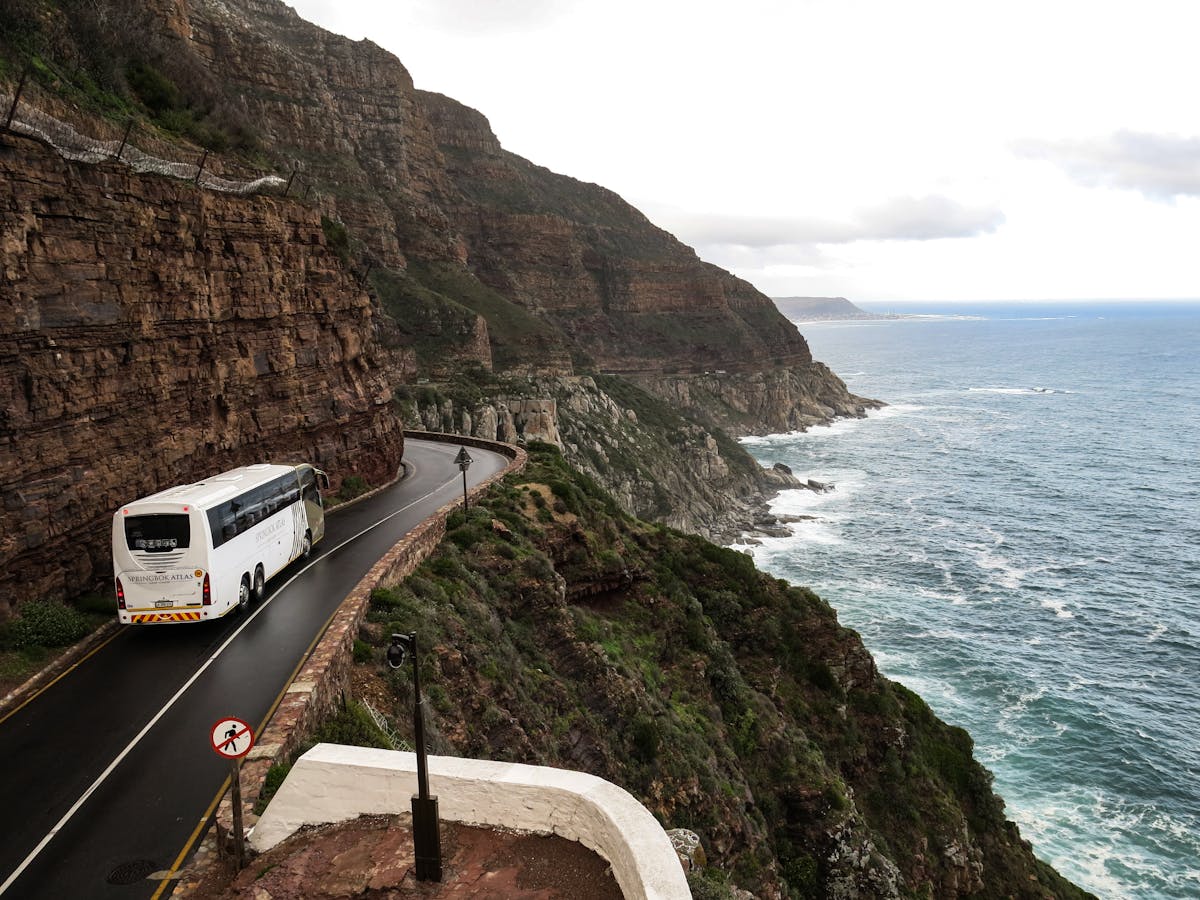
Buses also reach places airlines simply don't. Cities like Manizales, Popayán, Honda, Mompox, and most of the Coffee Region have no meaningful commercial air service. For a day trip to Guatapé or Santa Fe de Antioquia from Medellín, the bus is the only sensible option. The road from Medellín to Santa Fe de Antioquia alone is worth taking just for the views.
For routes over 10 hours — Bogotá to Cartagena, for instance — I'd fly unless I was watching every peso. Below that threshold, especially on a premium carrier, the bus is worth considering. I've written a separate guide to domestic flights in Colombia if you want to compare both options side by side.
The Main Bus Companies in Colombia
There are dozens of bus operators in Colombia, but a handful dominate the longer intercity routes. Here's the honest breakdown:
Bolivariano
The gold standard for long-distance travel. Their ejecutivo and premium tiers include reclining seats (some go nearly flat on overnight routes), pillows, blankets, a light meal, and onboard entertainment. Prices run 80,000–130,000 COP for Medellín–Bogotá — higher than the competition, but the experience is substantially better. For overnight routes, I'd pay the premium without hesitation.
Expreso Brasilia
Strong on Caribbean coast routes — Bogotá to Barranquilla, Santa Marta, and Cartagena are their bread and butter. They have ejecutivo options and reasonable reliability. One warning: their climate control runs extremely cold. I once shivered through a 10-hour trip in a thin t-shirt while passengers around me slept comfortably under blankets. Always bring a jacket on Brasilia.
Flota Magdalena
Handles a lot of routes through Cundinamarca and into the Llanos. Decent for shorter regional connections — not as polished as Bolivariano but reliable enough for daytime travel.
Coomotor
The operator of choice for routes in Huila, Nariño, and toward the Ecuadorian border (Cali–Pasto–Ipiales). More basic than the northern operators but consistently used by locals on those corridors.
For short-haul trips under two hours, you'll often end up on smaller buses or minivans run by regional cooperatives. These are fine — they're how most Colombians move around daily — but expect less comfort and a looser sense of schedule.

How to Book Bus Tickets in Colombia
This is where foreigners often get tripped up. You have a few options depending on how far ahead you're planning:
RedBus (redbus.co) is the most popular online booking platform and works well for major routes. You can search routes, compare companies and seat classes, and pay online. The UI is in Spanish but manageable with basic Spanish or a translation app. This is my default for anything booked more than a day in advance.
PinBus aggregates seats from multiple companies and sometimes shows inventory that RedBus misses. Worth checking both if you're hunting for a specific date or price.
Ticket counters at the terminal: For same-day or next-day travel, just going to the terminal (Terminal de Transporte) and buying at the counter is often perfectly fine. Show staff your destination on your phone if your Spanish is limited — they're used to it.
Booking directly with the company: Bolivariano (bolivariano.com.co) and Expreso Brasilia both have their own websites and sometimes offer exclusive pricing. Worth bookmarking if you travel their routes regularly.
Unlike domestic flights in Colombia, buses don't have a rigid advance-booking culture. On weekdays you can often buy a ticket an hour before departure. Weekends, public holidays, and Semana Santa (Holy Week) are a completely different story — buses sell out, prices spike, and showing up last-minute means either a bad seat or no seat at all.
Colombian Bus Terminals: What to Expect
Medellín actually has two main terminals. Terminal del Norte handles routes heading north, east, and to Bogotá. Terminal del Sur covers south routes (Cali, Manizales, Pereira). Getting to the wrong terminal when your bus departs in 45 minutes is a genuinely stressful situation — always confirm which terminal your service uses before you leave.
Bogotá's main terminal (Terminal Salitre) is enormous and divided into modules by destination region. The Transmilenio bus system connects it to the rest of the city, though with bags it's easier to grab an InDrive. Give yourself at least 30–45 minutes before departure — it's easy to get lost in there.
Cali's Terminal de Transportes is more manageable, centrally located near the Río Cali, and easier to navigate for first-timers.
Practical terminal tips: keep bags close (petty theft, not violence, is the main risk at terminals), budget 1,000–2,000 COP for bathrooms, and ignore anyone offering to carry your luggage to a specific company — they're commission agents steering you toward operators they get paid to promote.
Overnight Buses: The Real Talk
The overnight bus is a legitimate travel strategy in Colombia. You save a hotel night, arrive fresh (or fresh-ish), and on premium carriers it's genuinely comfortable. But go in with realistic expectations.
The main routes where overnight buses pay off: Bogotá to Santa Marta or Cartagena (12+ hours), Cali to Bogotá (8–9 hours), and Medellín to Bogotá if you're on a tight budget. On these routes, executive class with Bolivariano or Expreso Brasilia means semi-flat seats, blankets, and the chance of actually sleeping.
Safety-wise: the major intercity highways are significantly safer than they were a decade ago. The principal carriers won't operate night routes on roads they consider unsafe — this is an actual internal policy. The main risk is petty theft, not highway robbery. Keep your valuables on your person while sleeping. Don't stow your laptop in the overhead compartment if you're going to be unconscious for 8 hours. A padlock on your backpack for the luggage hold is sensible.
If you're doing serious multi-city travel, it's also worth having travel insurance that covers delays, missed connections, and medical issues. SafetyWing is the go-to for digital nomads and long-term travelers in Colombia — affordable, international coverage, and they actually pay out claims.
One more non-negotiable: Colombian buses run the AC cold enough to store meat. I am not exaggerating. Bring a light jacket or fleece regardless of the outside temperature. Executive class often provides blankets, but bring your own to be safe. I've seen fully grown adults visibly shivering while the driver appeared completely comfortable in a short-sleeve shirt.
Popular Routes and What They Actually Cost
Prices fluctuate based on class, day of week, and advance booking. The ranges below are realistic for 2025/2026:
| Route | Duration | Economy (COP) | Executive (COP) |
|---|---|---|---|
| Medellín → Bogotá | 8–9 hrs | 50,000–75,000 | 80,000–130,000 |
| Bogotá → Cartagena | 12–14 hrs | 75,000–110,000 | 120,000–160,000 |
| Bogotá → Santa Marta | 12–14 hrs | 70,000–100,000 | 110,000–150,000 |
| Bogotá → Manizales | 4.5–5 hrs | 35,000–50,000 | 55,000–80,000 |
| Medellín → Pereira | 4–5 hrs | 30,000–45,000 | 50,000–70,000 |
| Cali → Popayán | 2.5–3 hrs | 20,000–30,000 | 35,000–50,000 |
* Prices approximate. Semana Santa and December peak can run 30–50% higher.
For context, 100,000 COP is roughly $24 USD at current exchange rates. Even executive class bus travel is genuinely cheap by any international standard.
If you're planning to use bus travel as part of a broader Colombia itinerary, check out our guide to the best cities to live in and visit in Colombia — it covers what each city is actually like and what you'd want to do there.
Packing Smart for Long Bus Rides
You don't need much — but these specifics make a real difference on an 8+ hour route:
Neck pillow. Don't laugh. Eight hours through mountain curves is rough on your neck without support. A decent inflatable one weighs almost nothing.
Warm layer. This cannot be overstated. A light fleece or hoodie in your daypack, always. Even on routes where it's 30°C outside, the bus interior can be refrigerated.
Snacks and water. Buses make stops at roadside restaurants, but these add 20–30 minutes to your journey and the food options vary wildly. Having your own snacks means you control the schedule.
Small bills. Budget 2,000 COP for terminal bathrooms and keep loose change accessible. If your luggage goes into the hold, you may need to tip the attendant who retrieves it at your destination.
Download entertainment. Some Colombian buses advertise WiFi or have onboard movies, but connectivity is inconsistent. Load your podcasts and shows before you leave.
Frequently Asked Questions
❓ Is bus travel safe in Colombia for foreigners?
Yes, on reputable carriers and major routes. Companies like Bolivariano and Expreso Brasilia operate on well-monitored highways and have internal safety standards. The main risk is petty theft — watch your bags and keep valuables on your person. Violent crime targeting bus passengers on intercity routes is rare and is not a day-to-day concern on the routes covered in this guide.
❓ Should I take the bus or fly between Colombian cities?
Depends on the route and your priorities. For Medellín–Bogotá, it's genuinely close — flying saves time in the air but not necessarily door-to-door. For anything over 10 hours (Bogotá–Cartagena), fly unless budget is the constraint. For routes under 5 hours or to cities with no airport, the bus is the obvious choice.
❓ How do I use RedBus to buy a Colombian bus ticket?
Download the RedBus app or visit redbus.co. Enter your origin city, destination, and travel date. Compare available companies, seat classes, and specific seat positions. Pay with a Colombian card, international credit card, or cash at partner stores like Efecty or Baloto. You'll get a QR code confirmation to show at boarding.
❓ Can I book bus tickets in Colombia without speaking Spanish?
Yes. RedBus and PinBus are navigable with a translation app. At terminals, showing your destination on your phone screen gets you pointed to the right company window. Ticket counter staff in major cities have handled enough foreigners to work around language barriers — just be patient and clear.
❓ Are overnight buses comfortable in Colombia?
Executive class on Bolivariano or Expreso Brasilia: genuinely comfortable, with reclining seats and blankets provided. Economy on any carrier overnight: doable but not great. The seat reclines but not fully, the AC is cold, and you'll sleep in fits. If you're doing a 12-hour overnight, paying the extra 30,000–40,000 COP for executive class is worth every peso.
Ready to Take the Bus?
Colombia's bus network genuinely impressed me once I stopped avoiding it. The major carriers are comfortable, the prices are absurdly reasonable, and some of these routes pass through scenery you'd pay good money to see on a guided tour.
If you've done a long-distance bus route in Colombia — or have tips I missed — drop a comment below. And if this guide helped you plan your trip, share it with someone who's still convinced Colombian buses are terrifying. They're not, I promise.
🇨🇴
Get the next Colombia guide in your inbox
Join 10,000+ expats and future expats. No spam, just useful guides.



Comments
Loading comments...