
Best Health Insurance in Colombia 2026: EPS vs Prepagada Compared (With Real Costs)
EPS vs Prepagada in Colombia — which health insurance is right for expats? Sura, Colsanitas, and Compensar compared with real costs, coverage, wait times, and how to sign up in 2026.

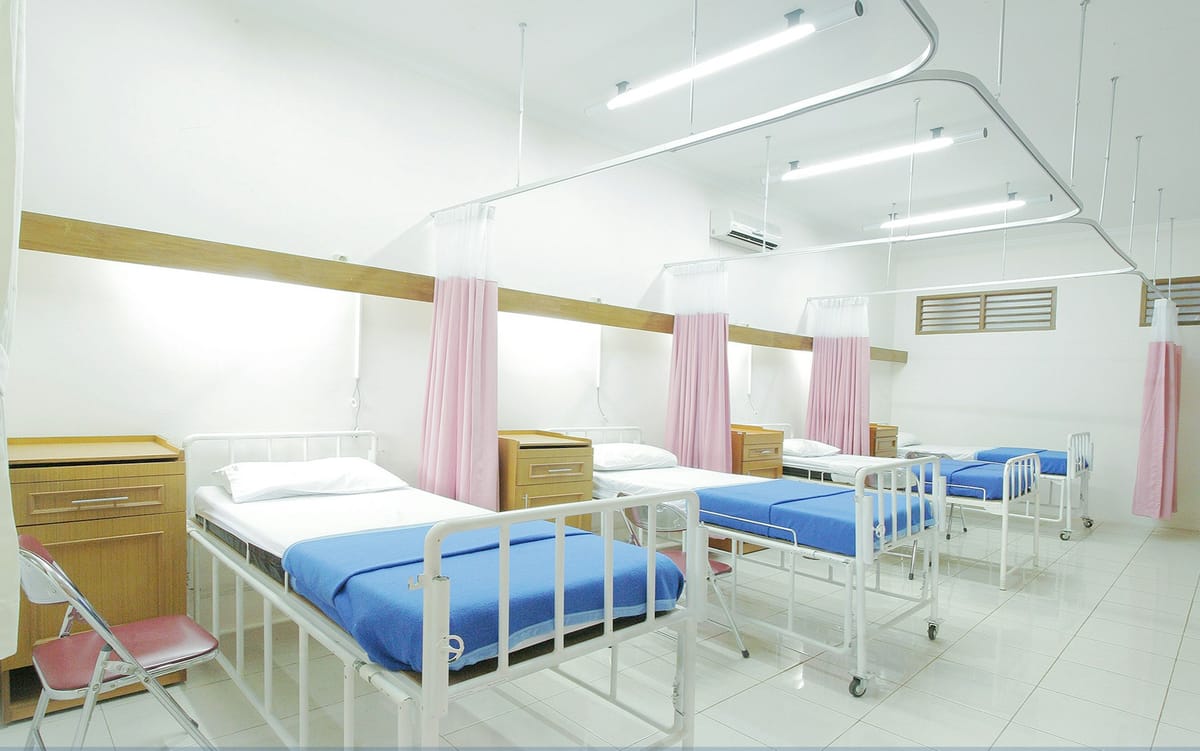
Colombia has one of the most misunderstood healthcare systems in Latin America — and getting it wrong as an expat can mean massive bills or months of waiting for care you needed yesterday. Here's exactly how it works, what it costs, and which plan makes sense for you in 2026.
How Colombian Healthcare Works
Colombia runs a two-tier healthcare system. The first tier is EPS (Entidad Promotora de Salud) — the mandatory contributory system that anyone with a visa and income must enroll in. Think of it as Colombia's version of national health insurance. The second tier is Prepagada — optional private insurance that sits on top of your EPS and unlocks faster access, better hospitals, and more choice.
The critical thing to understand: you must have EPS before you can get Prepagada. They're not alternatives — they're layers. Most expats end up with both, using EPS as a legal requirement and Prepagada for their actual day-to-day care. For a full picture of what healthcare looks like on the ground, check our guide to healthcare in Colombia for expats 2026.
The system is regulated by the government, which means pricing is more transparent than you'd expect. There's no surprise billing in the US sense — costs are known upfront, and the public system is genuinely comprehensive. The trade-off is access speed and facility quality, which is where Prepagada earns its monthly fee.
📊 EPS vs Prepagada: Quick Comparison
Before diving deep into each option, here's the side-by-side breakdown most expats wish they'd seen before signing up for anything:
| Factor | EPS (Public) | Prepagada (Private) |
|---|---|---|
| Cost | 12.5% of declared income (min ~$35/mo) | $80–$200+/month depending on age |
| Coverage | Comprehensive — emergencies, surgery, meds, maternity | Comprehensive + extras, faster access to all services |
| Wait Times | Weeks to months for specialists | Same-day or next-day appointments |
| Hospital Quality | Basic to mid-range, assigned facilities | Top-tier private clinics |
| Specialist Access | Requires GP referral, then wait | Direct access, choose your specialist |
| Emergency Care | Covered at any EPS-linked hospital | Covered at premium facilities |
| English Availability | Rare — mostly Spanish only | Available at many clinics |
| Dental / Vision | Basic dental only | Better dental + some vision coverage |
| Best For | Legal compliance, emergencies, budget expats | Families, older expats, quality-focused residents |
🏥 EPS Explained: The Mandatory Foundation
EPS is mandatory for anyone living in Colombia with a visa who is earning income. The cost structure is straightforward: 12.5% of your declared monthly income. If you're employed by a Colombian company, your employer covers 8.5% and you pay the remaining 4%. If you're an independent worker (the most common situation for expats), you pay the full 12.5% yourself. The minimum contribution base is one SMLMV (Salario Mínimo Legal Mensual Vigente) — in 2026, that's around 1,423,500 COP, putting the minimum monthly EPS payment at roughly 178,000 COP (about $43 USD).
Coverage is genuinely broad. EPS includes emergency care, hospitalizations, surgery, laboratory tests, prescription medications, maternity care, and mental health services. In theory, it covers almost everything. In practice, the bottleneck is time. Specialist appointments can take weeks or months to schedule. You're assigned to a specific network of hospitals and clinics — you can't just walk into any hospital. Facilities are functional but often overcrowded and basic.
To enroll: visit an EPS office in person with your passport, valid Colombian visa, and cédula de extranjería. Don't have your cédula yet? That's your first step — see our guide on how to get your cédula de extranjería in Colombia. Popular EPS providers for expats include Sura, Compensar, and Sanitas — all have English-speaking staff at some offices and reasonably user-friendly processes.
⭐ Prepagada Explained: The Private Upgrade
Prepagada is where the Colombian healthcare experience shifts from "functional" to "excellent." Once you have your EPS active, you can add a Prepagada plan that essentially buys you access to a parallel, premium healthcare network. Costs vary by age and provider, but here's a realistic range for 2026: under 40 years old, expect to pay $80–$120/month. Ages 40–60 run $120–$180/month. Over 60, budget $150–$250+ per month. These are in USD; premiums are billed in COP but the USD equivalent gives you a useful benchmark.
What you get for that price is genuinely impressive by any international standard. Same-day or next-day specialist appointments. Direct access without GP referrals. Choice of doctor — you're not assigned to whoever is available. Top hospitals including Clínica del Country, Fundación Santa Fe de Bogotá, and Clínica Las Américas in Medellín. Private rooms during hospitalizations. A meaningful number of English-speaking doctors, particularly in Bogotá and Medellín.
The honest verdict: most expats who can afford Prepagada get it immediately. At $80–$120/month for someone under 40, it's cheaper than a single specialist visit in the US. If you're building out your full monthly budget, factor this into your numbers — our cost of living in Medellín breakdown has a dedicated healthcare line item to help you plan.
🏆 Best Prepagada Providers Compared
Three providers dominate the Prepagada market for expats: Colsanitas, Sura, and Compensar. Each has a distinct strength depending on where you live and what you prioritize.
| Provider | Monthly Cost (Under 40) | Hospital Network | Strengths | Best For |
|---|---|---|---|---|
| Colsanitas | $100–$130 | Largest in Colombia — nationwide coverage | Most hospitals, widest specialist network, strong family plans | Families, those who travel between cities |
| Sura (Suramericana) | $85–$115 | Excellent in Medellín, strong in major cities | Best digital app, strong Medellín presence, good value | Medellín expats, digital-first users |
| Compensar | $80–$110 | Strongest in Bogotá, growing nationally | Best customer service, competitive pricing, Bogotá network | Bogotá expats, budget-conscious residents |
Colsanitas is the premium choice — it's the most expensive but gives you access to the most hospitals and the largest specialist network in the country. If you have a family or move between Bogotá, Medellín, and other cities, this flexibility is worth paying for. Sura shines in Medellín specifically, with a genuinely excellent mobile app that lets you book appointments, access prescriptions, and manage your plan digitally — a real differentiator in a country where a lot of admin still happens in person. Compensar offers the best value in Bogotá with a customer service reputation that consistently outperforms the others.
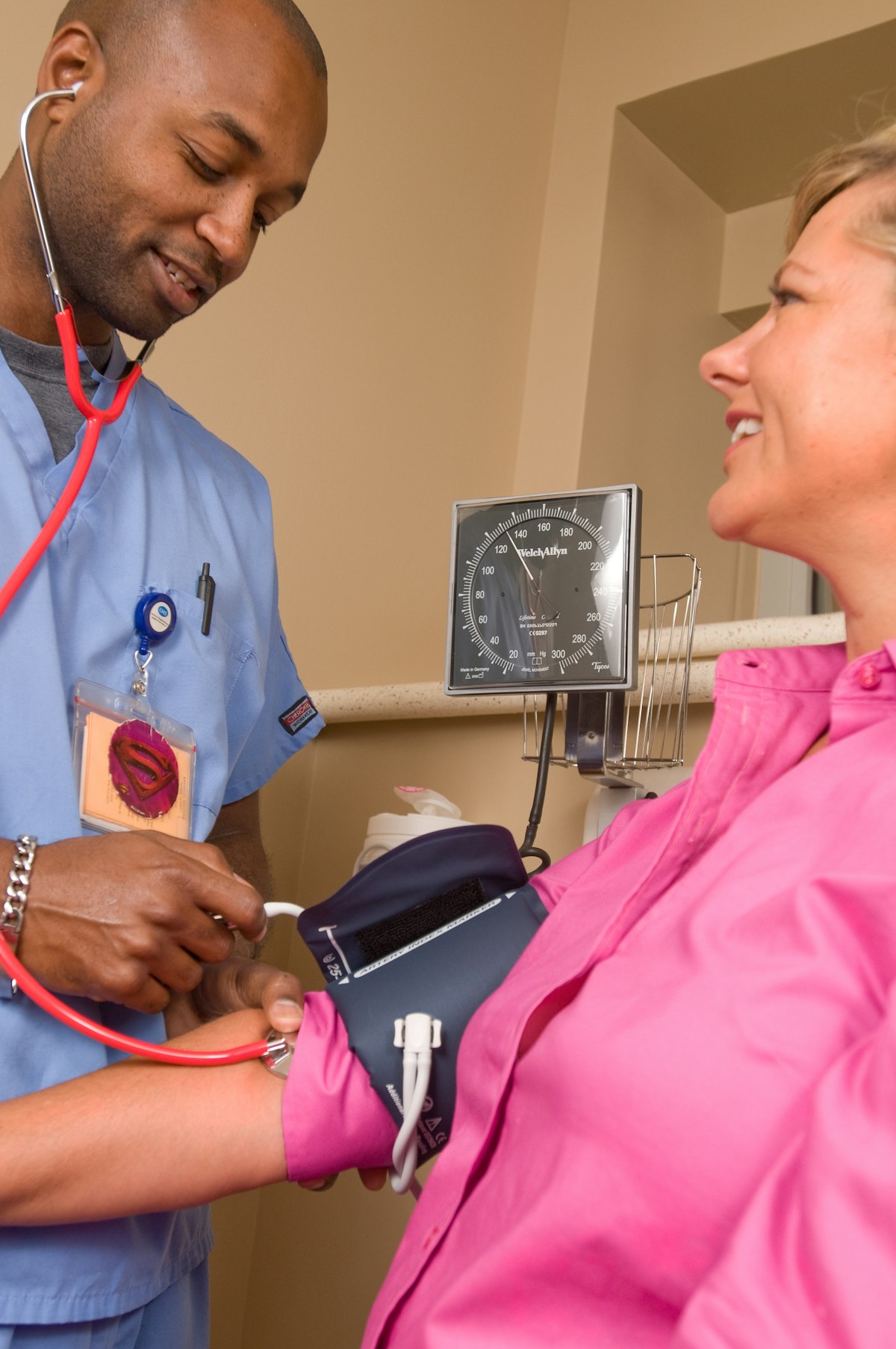
🦷 Dental & Vision: What's Actually Covered
EPS covers basic dental — cleanings, extractions, and basic fillings are included but wait times apply. Prepagada expands this with more comprehensive dental coverage and some vision benefits. That said, most expats quickly discover that dental and vision care in Colombia is so affordable out-of-pocket that insurance coverage almost becomes irrelevant. A dental cleaning runs $20–$40. A filling costs $30–$60. A root canal — the procedure that can cost $1,500+ in the US — runs $80–$200 here. Eye exams are $15–$30, and a complete pair of glasses (frames + lenses) from a local óptica typically costs $40–$100.
The quality at private dental clinics is excellent. Many dentists trained abroad or at Colombia's top universities. It's common for expats — and increasingly for medical tourists — to combine a trip to Colombia with dental work that would cost five to ten times more at home. For routine care, just pay cash. For major procedures like implants or orthodontics, check if your Prepagada plan has coverage, as some plans do include partial dental for larger treatments. Dental tourism in Colombia is a real phenomenon worth knowing about if you're planning ahead.
💊 Medications: Dramatically Cheaper
Prescription medications in Colombia are typically 50–70% cheaper than equivalent drugs in the United States. This applies to both brand-name and generic medications. Government price controls keep drug costs in check, and the competitive pharmacy market (there are literally pharmacies on almost every city block) keeps prices low. Droguerías — the ubiquitous Colombian pharmacy — stock an impressive range of medications, and many drugs that require a prescription in the US are available over the counter here, including antibiotics, anti-parasitics, and various cardiovascular medications.
A few practical tips: First, if you take any critical medication — for a chronic condition, mental health, or otherwise — bring a 90-day supply when you move. This gives you time to find a local doctor, get a Colombian prescription, and establish care without an interruption. Second, don't assume a medication's brand name is the same here — generic equivalents are widely available and often significantly cheaper. Third, pharmacy staff in Colombia are often quite knowledgeable and willing to advise on common conditions, which can be useful for minor issues. For more on managing your overall Colombia move, our moving to Colombia checklist has a medication planning section.
🛡️ Travel Insurance vs Prepagada: Bridging the Gap
Here's the timeline problem most expats face: you arrive in Colombia, but you can't get EPS until you have your cédula de extranjería, and you can't get Prepagada until you have EPS. That process can take one to three months from arrival. During that window, you need coverage — and travel insurance is the answer.
SafetyWing and World Nomads are the two most expat-friendly options. SafetyWing's Nomad Insurance is popular because of its monthly billing (around $45–$60/month depending on your age and home country) and straightforward claims process. World Nomads offers more comprehensive adventure coverage if that's relevant to your lifestyle. Either works well as a bridge plan. Once you have both your EPS active and Prepagada in place, you can cancel the travel insurance — you won't need it anymore.
One firm piece of advice: don't try to use US health insurance for routine care in Colombia. The administrative friction is enormous — Colombian providers aren't set up for US insurance claims, and you'll spend more time on paperwork than the reimbursement is worth. US insurance may have some emergency coverage abroad, but treat that as a last resort, not a plan. The Colombian system, once you're in it, is simply easier and cheaper to use directly. Check out the best apps for living in Colombia for tools that help you manage everything from insurance to appointments digitally.
📝 How to Sign Up: Step-by-Step
The enrollment process is more manageable than it sounds. Here's the exact sequence:
- Step 1 — Get your visa. You cannot enroll in the Colombian health system without a valid visa. This is your legal foundation for everything else.
- Step 2 — Get your cédula de extranjería. This is your Colombian foreigner ID card. You apply for it at Migración Colombia after your visa is approved. Processing typically takes 2–6 weeks. This document is required to enroll in EPS.
- Step 3 — Register with an EPS. Visit an EPS office in person with your passport, visa, and cédula. For expats, Sura and Compensar are consistently recommended — both have good English support and expat-familiar processes. Declare your monthly income honestly, as this determines your contribution.
- Step 4 — Wait for EPS activation. Full coverage can take 1–2 months to become active after enrollment. You'll receive a temporary affiliation document in the meantime. Emergency care is typically available sooner, but scheduled appointments may be delayed.
- Step 5 — Apply for Prepagada. Once your EPS is active, contact the Prepagada division of your provider (or a competitor — you don't have to use the same company). You'll undergo a brief health questionnaire, and coverage usually activates within a week or two.
Planning for retirement in Colombia? Healthcare costs are a major variable — our Colombia retirement cost breakdown for 2026 models out exactly what EPS plus Prepagada costs at different age brackets.
❓ Frequently Asked Questions
Can I get health insurance in Colombia without a visa?
No — EPS enrollment requires a valid Colombian visa and a cédula de extranjería. If you're in Colombia on a tourist stamp, you cannot enroll in EPS. Your options while on a tourist entry are travel insurance (SafetyWing, World Nomads) or paying out of pocket, which is relatively affordable for minor care. Some private clinics will see walk-in patients without insurance. But for any serious or ongoing healthcare needs, getting your visa situation sorted is the essential first step.
How much does Prepagada cost in Colombia?
For most expats under 40, Prepagada costs between $80 and $130 USD per month depending on provider and plan tier. Ages 40–60 typically pay $120–$180/month, and those over 60 can expect $150–$250+ depending on health history. Prices are quoted in COP but the USD equivalent ranges above apply at current exchange rates. Premiums increase with age and pre-existing conditions may affect eligibility or pricing. Shopping between Colsanitas, Sura, and Compensar is worth doing — there can be meaningful differences in both price and network strength depending on where you live.
Is Colombian healthcare actually good quality?
Yes — at the private Prepagada level, Colombian healthcare quality is genuinely world-class. Clinics like Fundación Santa Fe de Bogotá and Clínica del Country are internationally accredited and attract medical tourists specifically because of their quality. Doctors at top private institutions are often trained in the US, Spain, or the UK and operate at a very high standard. The honest caveat is that the public EPS tier varies significantly in quality — urban centers are better equipped than smaller cities, and wait times in the public system are a real limitation. For expats using Prepagada, however, the experience is typically excellent and compares favorably with private healthcare in any developed country, at a fraction of the cost.
The Verdict: What Should You Actually Do?
Here's the practical playbook for most expats moving to Colombia in 2026: Use SafetyWing from the moment you arrive until your cédula comes through. Then enroll in Sura or Compensar EPS (Sura if you're in Medellín, Compensar if you're in Bogotá). Once EPS activates, layer in Prepagada through the same provider or shop Colsanitas if you need a wider network. At $80–$130/month for comprehensive private care with same-day specialist access and world-class hospitals, Prepagada is one of the best value propositions in expat healthcare anywhere in the world. Don't skip it.
For the full picture on living costs across all categories, see our complete Colombia cost of living guide — healthcare is one of the biggest financial wins of making the move.
🇨🇴
Get the next Colombia guide in your inbox
Join 10,000+ expats and future expats. No spam, just useful guides.



Comments
Loading comments...