
Best Apps for Living in Colombia: 25 Apps Expats Actually Use
The 25 essential apps for expats and digital nomads in Colombia — banking, transport, food delivery, language, healthcare, and everything you need on your phone in 2026.
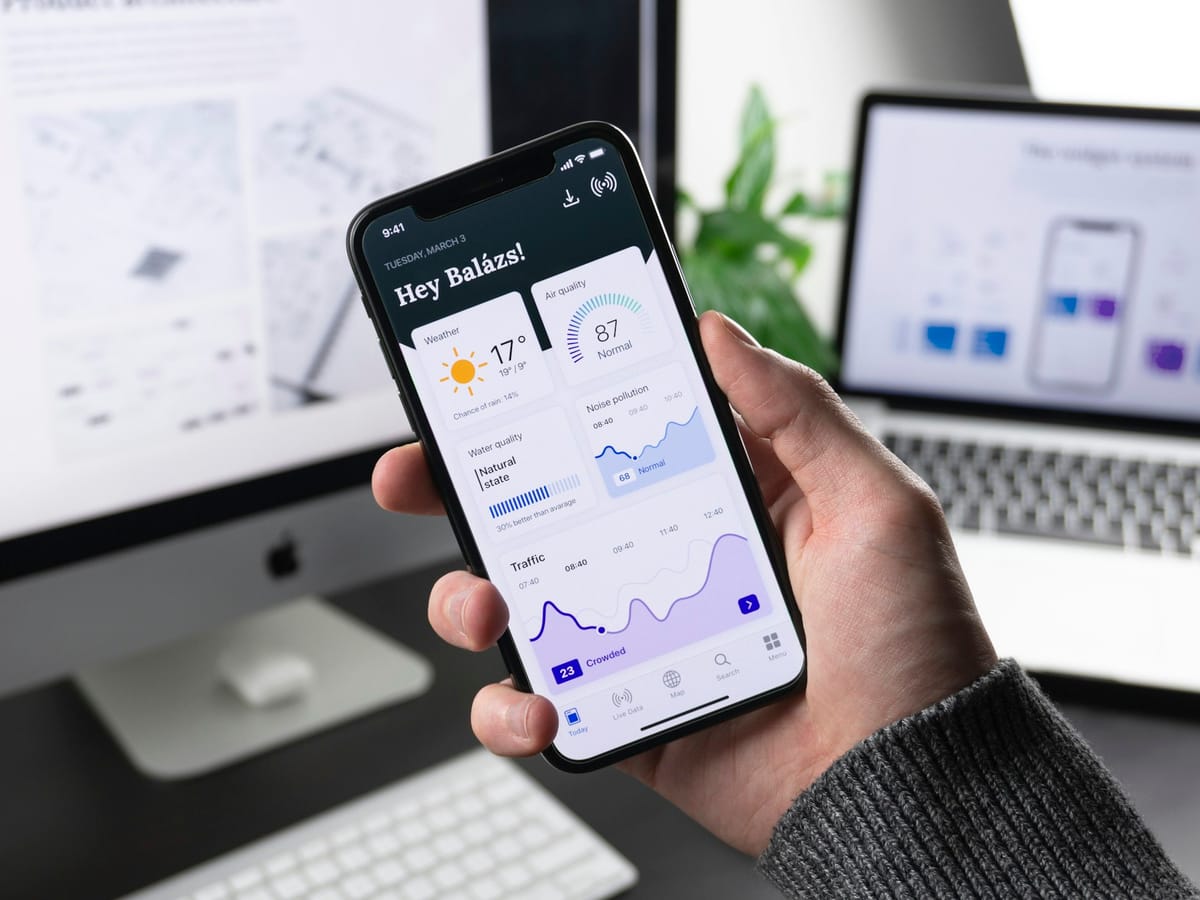
Living in Colombia without the right apps is like showing up to a gunfight with a butter knife. Whether you just landed in Medellín or you've been here a while and still feel like you're missing something, this list covers every app worth having on your phone in 2026 — organized by what you actually need them for.
Quick note: Some of these apps require a Colombian cédula or local bank account to unlock full functionality. If you haven't sorted your banking yet, start with our guide to the best banks in Colombia for foreigners before diving into the app ecosystem.
💳 Banking & Money Apps
Getting your money situation sorted is step one for any expat in Colombia. The good news is that Colombia's fintech ecosystem is surprisingly robust — you have real options here.
Bancolombia App is the bedrock. If you open a local bank account — and you should — Bancolombia is the most foreigner-friendly major bank, and their app is solid. You'll use it to pay bills, transfer money, and manage your account day-to-day. It supports biometric login and works reliably.
Nequi is Colombia's equivalent of Venmo or CashApp. Think of it as the digital wallet everyone actually uses for splitting bills, paying the empanada lady, tipping your building doorman, or sending money to your Spanish tutor. It's owned by Bancolombia but functions independently. Virtually every Colombian has it, which makes it essential for daily transactions. You can open a Nequi account with a foreign passport, which is a huge win for expats who don't yet have a cédula.
Daviplata is Davivienda's version of the same thing — a mobile e-wallet. Keep it as a backup. Some vendors and landlords prefer it over Nequi, so having both costs nothing.
Remitly is non-negotiable for international transfers. The exchange rates are dramatically better than your home bank, and transfers typically clear within hours. Use it to move money from your home country into your Colombian account. For US-to-US transfers or receiving money from American clients, Cash App still works if you kept a US number and address active.
💳 Keep a US Account: Charles Schwab
One more financial app to have on your phone: the Schwab Mobile app for your Investor Checking Account. Unlimited ATM fee rebates at any ATM in Colombia, no foreign transaction fees, and a linked brokerage for investing. It's the best US bank account to keep while living abroad.

🚗 Transport Apps
Getting around Colombian cities is easy once you know which apps to trust. The ride-hailing landscape has evolved significantly — Uber's status is more settled now than it was a few years ago, and you've got real competition keeping prices honest.
InDrive is the app most expats in Medellín and Bogotá swear by. The model is different: you propose a fare, drivers bid, and you pick. It sounds like more work but in practice it means you almost always pay less than Uber. Drivers are plentiful and the quality is generally good. Install this one first.
Uber works in most major Colombian cities and is particularly reliable in Bogotá, Medellín, Cali, and Cartagena. It went through a period of legal ambiguity in Colombia but operates openly in 2026. Surge pricing applies during rush hours and rain — which, in Medellín, is basically every afternoon.
DiDi is often the cheapest option and has been aggressively expanding in Colombia. Worth keeping installed alongside InDrive and Uber so you can compare prices quickly before booking.
If you're in Medellín, download the Medellín Metro App. The metro, cable cars, and electric escalators up the hillside comunas are all connected and the app gives you real-time maps and schedules. It's one of the genuinely great urban transit systems in Latin America.
Google Maps works exceptionally well in Colombia — better than in many countries. Transit routing in both Medellín and Bogotá is accurate. The single most useful thing you can do before leaving your accommodation: download offline maps of your city. Mobile data can be spotty in certain neighborhoods and you don't want to be lost without navigation.

🍔 Food & Delivery Apps
Colombia has one of the best delivery app ecosystems in Latin America, and once you experience next-day grocery delivery or having a pharmacist at your fingertips at midnight, you won't know how you lived without it.
Rappi is the super-app. Food delivery, grocery delivery, pharmacy runs, alcohol, hardware store items, courier services — all from one app. It's the first app you should download after WhatsApp. Rappi operates on tight margins and frequently runs promos. Turbo delivery (groceries in 10 minutes) is available in most urban neighborhoods and it actually delivers in 10 minutes. The Rappi Prime subscription is worth it if you order more than a few times per week — the delivery fee savings add up fast.
Domicilios.com is a restaurant-focused delivery platform that has been around longer than Rappi and maintains strong relationships with local restaurants. Some places are on Domicilios but not Rappi, so it's worth keeping both installed if you eat delivery regularly.
iFood is the Brazilian giant that's been gaining market share in Colombia. It tends to have competitive pricing and has been expanding its restaurant partnerships aggressively. Worth checking if Rappi's selection in your neighborhood is limited.
🗣️ Language Apps
Even if your Spanish is functional, Colombia will throw vocabulary at you that you didn't learn in class. Costeño slang, paisa expressions, and regional accents all exist on a spectrum. These apps help you navigate that.
Google Translate's camera feature is the one you'll use constantly. Point your phone at a menu, a lease agreement, a government notice, a medicine label — it translates in real time with the text overlaid on the image. It's not perfect but it's genuinely useful and has gotten better. Download the Spanish language pack for offline use.
Duolingo is the obvious choice for structured learning and there's nothing wrong with using it. The gamification works for a lot of people, and 15 minutes a day adds up. The Colombian Spanish accent and some local phrasing are represented in the newer lesson packs.
Tandem is underrated and highly recommended if you're serious about learning. It connects you with native Spanish speakers who want to practice English (or your native language) in exchange. Medellín specifically has an active Tandem community. Meeting up for a language exchange is also a genuinely good way to meet Colombians outside the expat bubble — something harder to do than most people expect.
📱 Communication Apps
This section is short because it needs to be: in Colombia, communication essentially means WhatsApp. Everything else is secondary.
WhatsApp is not optional. It's how Colombians communicate with friends, family, doctors, landlords, businesses, government offices, and everyone else. If a Colombian asks for your number, they mean your WhatsApp. Your landlord will send you the building rules via WhatsApp. Your plumber will send a voice note on WhatsApp. Your building security will send alerts to a WhatsApp group. Embrace it completely.
Telegram is where many expat communities operate. The large community groups — Medellín Expats, Bogotá Digital Nomads, Colombia Expats — tend to run on Telegram rather than Facebook. These groups are genuinely useful: real recommendations for doctors, lawyers, landlords, mechanics, and everything in between. Join the ones relevant to your city within your first week.
🏥 Healthcare Apps
Healthcare navigation in Colombia is one of the bigger challenges for new expats. Having the right apps helps you access care faster and understand what's available. For a deeper look at the system, read our full guide to healthcare in Colombia for expats.
1Doc3 is a telemedicine platform that operates in both Spanish and English — which makes it rare and valuable. You can connect with a doctor within minutes for consultations, get prescriptions, and get medical advice without fighting through a clinic's appointment system. For non-emergency health questions, this is the fastest path to a real answer. Available around the clock.
Your EPS provider app — whether that's Sura, Compensar, Sanitas, or another insurer — is essential once you're enrolled in the Colombian health system. You'll use it to schedule appointments, access your medical history, find in-network providers, and manage authorizations. Download it the same day you get your EPS sorted. Each insurer's app is different in quality, but all of them save you from having to call or visit a physical office for basic tasks.
🔒 Security & VPN Apps
Security matters more in Colombia than in many countries you may have lived in before. This isn't fear-mongering — it's practical. Colombia has sophisticated phone scams, public wifi is everywhere and largely unencrypted, and if you want to watch your home country's streaming content, you'll need a VPN.
NordVPN is the go-to recommendation for expats in Colombia. It's fast enough for streaming, reliable, and has servers in both the US and UK that work with Netflix, Hulu, and BBC iPlayer. More importantly, running it any time you're on public wifi — in a coworking space, café, or airport — protects your banking and personal data from the kind of basic interception attacks that are more common here than you'd think. Get NordVPN here — the annual plan makes it very affordable.
Google Authenticator (or Authy if you prefer cloud backup) is essential for two-factor authentication on your banking apps, email, and other critical accounts. SIM-swapping fraud exists everywhere, including Colombia. Authenticator apps are more secure than SMS codes. Enable 2FA on everything important and use an authenticator app rather than relying on text messages.
🔐 One more security essential: encrypted email
Proton Mail replaces Gmail with end-to-end encrypted email — plus a built-in VPN, password manager, and encrypted cloud storage. Swiss-based, no ads, no data harvesting. Free tier available. Switch to Proton Mail →
🏠 Housing Apps
Finding housing in Colombia as a foreigner has gotten easier, but there are still traps to avoid. Before you commit to anything long-term, read our guide on how to rent an apartment in Medellín without getting scammed. These apps are where the search starts.
FincaRaíz is Colombia's dominant real estate platform, equivalent to Zillow or Rightmove. Both rental and purchase listings are here. The app filters well by neighborhood, price, and size, and most listings are current. Agents respond via WhatsApp, naturally. This should be your primary search tool for longer-term rentals.
Metrocuadrado is the second major platform. Some listings appear here that don't appear on FincaRaíz and vice versa. Run searches on both before concluding that something isn't available in your target neighborhood. The interface is slightly less polished but the inventory is real.
Airbnb is the bridge most expats use while conducting their real apartment search. Booking a month-long Airbnb gives you time on the ground to visit neighborhoods, meet people, and find a proper long-term rental without pressure. Colombian Airbnb prices for monthly stays are often reasonable, especially if you negotiate directly with hosts for extensions. Just remember that furnished Airbnb-style rentals are priced at a premium compared to unfurnished long-term leases.
🛫 Travel Apps
Colombia is an incredible base for exploring the rest of South America and the Caribbean. Having the right travel apps means you spend less time on logistics and more time on the road. And if you haven't sorted your SIM situation yet, our guide to SIM cards and eSIMs in Colombia covers everything.
Skyscanner remains the best flight search tool for finding cheap routes out of Colombia. El Dorado in Bogotá is the main hub, but Medellín's José María Córdova airport has grown dramatically and now handles direct routes to several US cities and major Latin American hubs. Use Skyscanner's "Everywhere" feature when you're flexible on destination — it surfaces deals you'd never think to search for.
Booking.com handles accommodation across Colombia well — better than Airbnb for boutique hotels in smaller cities and towns. The free cancellation filter is useful when your plans are uncertain, which they often are when you're exploring a new region.
Saily eSIM is the solution for staying connected when you travel to neighboring countries. Instead of paying roaming charges or hunting for a local SIM at an airport, you buy a regional eSIM before you leave. Saily's Latin America plans cover most of the region for a reasonable flat rate. Essential if your phone supports eSIM — which most phones sold after 2021 do.
📖 Keep Reading
How to Rent a Car in Colombia With Localiza — Another essential app for expats. 30–50% cheaper than Hertz or Budget.
❓ Frequently Asked Questions
Do I need Colombian apps or can I use US apps?
Both. Your US apps — Google Maps, Remitly, WhatsApp, Skyscanner, NordVPN — remain essential and work perfectly. But you also need Colombian apps like Nequi, Rappi, InDrive, and FincaRaíz to function in daily life here. The apps aren't mutually exclusive; you'll end up running both sets. The one thing that doesn't transfer is your US banking apps for local transactions — you'll need a Colombian account and its associated apps for paying rent, utilities, and anything that requires a local transfer.
Does Uber work in Colombia?
Yes — as of 2026, Uber operates openly in Medellín, Bogotá, Cali, Barranquilla, and Cartagena. It went through a legally murky period after Colombia's Supreme Court initially ruled against it, but the company restructured its model to comply with local regulations and has been operating normally for some time now. That said, InDrive and DiDi are both worth having for price comparison. Many expats find InDrive cheaper on most routes, especially during surge pricing on Uber.
What is Nequi and do I need it?
Nequi is Colombia's most widely used mobile payment and e-wallet app — think of it as a hybrid of Venmo and a lightweight bank account. You load money into it and send or receive payments instantly with just a phone number. The short answer is yes, you need it. Many vendors, service workers, landlords, and small businesses either prefer it or exclusively use it. The huge advantage for new expats is that you can create a Nequi account with a foreign passport — no cédula required — which means you can start transacting locally before you've completed any immigration paperwork.
Your Phone, Fully Equipped
You don't need all 25 apps on day one. Start with the essentials: WhatsApp, Nequi, Rappi, InDrive, and Google Maps. Those five will get you through the first week. Layer in the rest as you need them — banking once your account is open, healthcare apps when you get your EPS sorted, housing apps when you're ready to commit to a longer stay.
Colombia rewards the expat who puts in a little effort to learn how things work locally. Understanding that transactions happen via Nequi, that Rappi delivers almost anything, and that InDrive exists puts you miles ahead of someone white-knuckling it through Colombia on foreign apps and Google searches. Set your phone up properly and the logistics of daily life become genuinely easy.
🇨🇴 Trabajo Colombia
Bolsa de empleo y servicios gratuita para Colombia. Publica o encuentra oportunidades en Medellín, Bogotá, Cartagena y más.
Visitar Trabajo Colombia →For the bigger picture on what it actually costs to live here, check out our full monthly budget breakdown for Medellín in 2026. And if you're working remotely, our guide to the best coworking spaces in Medellín will help you find a good place to plug in.
🇨🇴
Get the next Colombia guide in your inbox
Join 10,000+ expats and future expats. No spam, just useful guides.

Comments
Loading comments...